The Factory Rebound and the Empty Chairs: Who Wins When the Numbers Go Up?
Factories are getting busier again, but workers are still losing jobs. Here is the real story behind the latest manufacturing report.
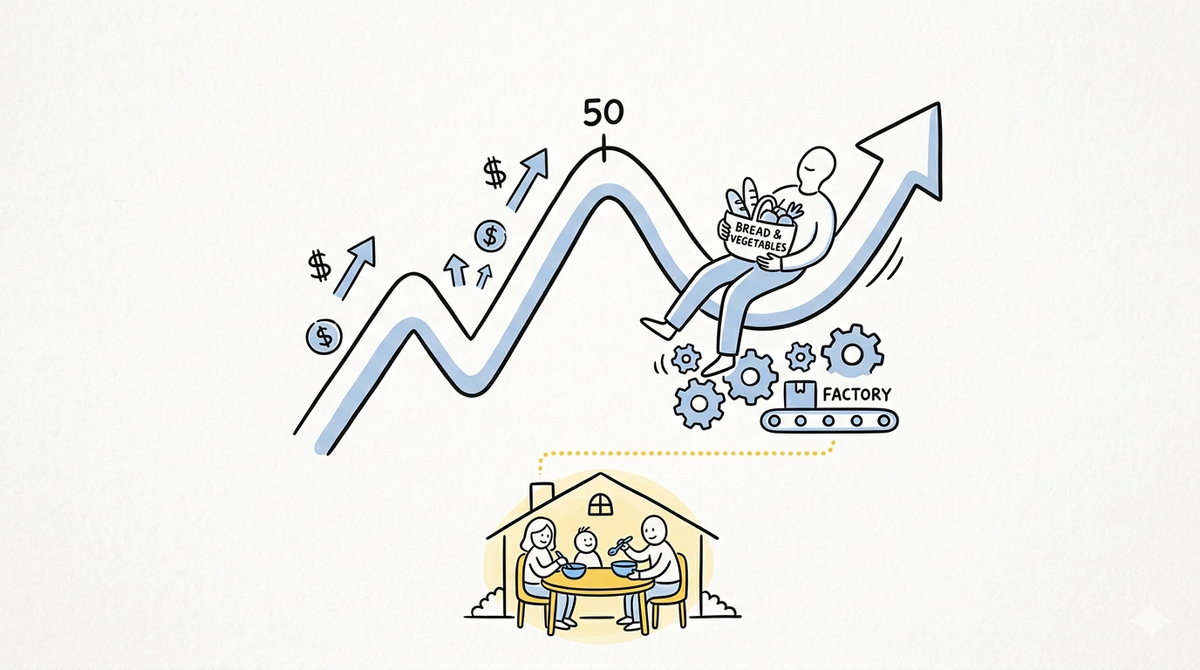
While the May 2026 manufacturing rebound points to economic recovery, severe global supply disruptions and worsening factory-level layoffs reveal a challenging reality for everyday Filipino workers and consumers.
If you walk past the gates of our country’s major industrial zones early in the morning, you will witness a familiar ritual. Jeepneys unload hundreds of workers clutching their packed lunches, rushing to beat the factory buzzer. For a few months now, that morning rush has felt heavy. Rumors of production slow-downs, delayed shipments of raw materials due to conflicts thousands of miles away, and sudden job cuts have rippled through communities that depend entirely on the manufacturing line.
Then, the latest economic report comes out.
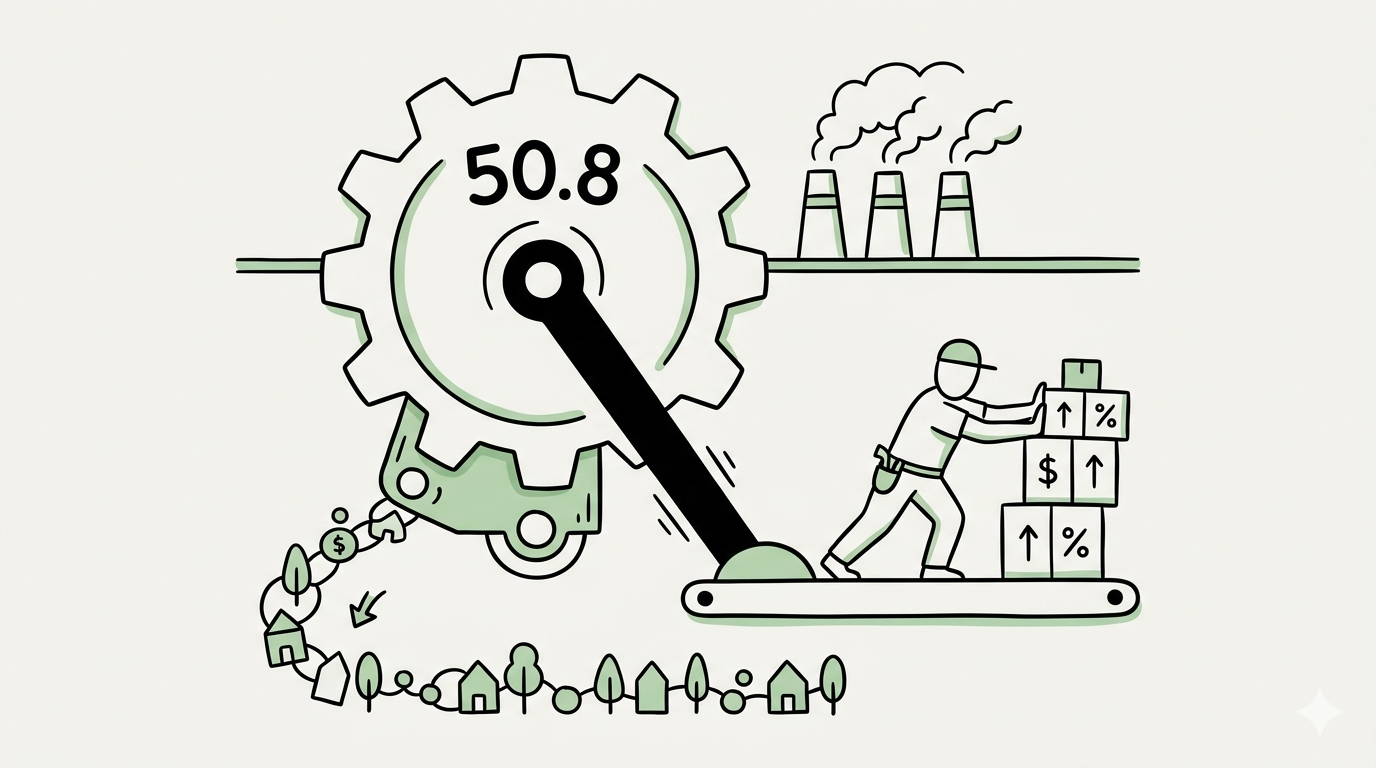
On paper, the news sounds like a collective sigh of relief. The S&P Global Philippines Manufacturing Purchasing Managers’ Index (PMI) for May 2026 bounced back to 50.8, up from a depressing 48.3 in April. For economists and policymakers, crossing that magical "50-point threshold" means our local factories have officially stepped out of a slump and returned to growth. There are new orders, domestic demand is picking up, and production lines are moving again.
But if the assembly lines are speeding up, why do so many neighborhood sari-sari stores still report that families are buying basic goods on credit? Why are the people who operate the machines feeling more vulnerable than ever?
The Anatomy of a Mixed Rebound
To understand this gap, we have to look past the single headline number. The 50.8 reading is an average of several factors, and when you look closely at the components, a very different picture emerges.
The manufacturing recovery is real, but it is deeply fragile. It is being driven almost entirely by local consumption. Filipinos are buying goods at home, which has forced factories to resume production after a standstill in April. However, the international market is a different story. Export orders for Philippine-made goods have plummeted at the sharpest rate since mid-2020.
At the same time, the conflict in the Middle East has entered a prolonged phase, severely disrupting global trade routes. Ships carrying vital components are taking longer, costlier detours. For local factory owners, this means two things: the raw materials they need are arriving late, and they cost significantly more.
What This Really Means for Your Wallet
For the ordinary Filipino consumer, a factory rebound usually sounds like distant good news. But the specific way this rebound is happening means the impact on your household budget is immediate and aggressive.
Because raw materials, fuel, and shipping are getting more expensive, factory owners are facing immense pressure. To keep their doors open, they are passing these costs directly down the line. According to the data, factory-gate selling prices surged last month at one of the fastest rates seen in three and a half years.
The Reality Check: When it costs more to manufacture a plastic container, a pack of noodles, or a bottle of cooking oil, the price hike doesn't stop at the warehouse door. It travels all the way to the market stall and the grocery shelf.
Even though the economy is technically "growing," your purchasing power is being squeezed. You are paying more for the exact same basket of goods, while your household income remains stagnant.
The Human Toll: Working Harder with Fewer Hands
The most alarming detail of the May report is something economists call "job shedding." Even though new orders increased and factories produced more goods, employment in the manufacturing sector actually weakened.
In fact, the pace of job losses last month—driven by a mix of layoffs and unreplaced resignations—was the fastest recorded in two years.
How can a factory make more products while employing fewer people? The answer lies in the intense pressure to cut costs. To compensate for expensive fuel and imported raw materials, companies are consolidating their operations. Instead of maintaining a full workforce, many factories are asking their remaining employees to take on heavier workloads or are drawing down their existing product inventories to fill orders without hiring new staff.
For a factory worker, this translates into a high-stress environment. You might be working longer hours or managing two stations instead of one, all while knowing that your coworker was laid off last week. The fear of being the next one let go lingers over every shift. When a factory worker loses their livelihood, the financial shockwaves tear through an entire ecosystem: rent goes unpaid, children’s school allowance is cut, and local community vendors lose their daily customers.
Community Perspective
This tension between positive national statistics and difficult community realities highlights exactly why localized, community-based support systems are so critical. When macro-level economic policies fail to immediately protect the vulnerable, grassroots initiatives become the true safety net.
In industrial areas where employment is volatile, community-led initiatives focused on alternative livelihoods and local food security are essential. This current economic strain reflects why community-based efforts around agricultural trading partnerships and localized cooperative markets matter so deeply. When international supply chains fail and inflation rises, giving communities direct access to affordable, locally produced food and independent income streams keeps families afloat, regardless of what the national factory index says.
Moving Beyond the Horizon
The latest report notes that despite the current stress, Filipino factory owners remain optimistic about the coming year, holding onto hopes that international tensions will ease and local demand will stay strong. Optimism, however, cannot pay the rent or buy groceries.
As we watch these economic indicators fluctuate, we must change the questions we ask. Sustainable economic health cannot be measured solely by whether a index sits slightly above or below 50. True recovery must be measured by the stability of the people who make those numbers possible.
If our industries are growing, shouldn’t the security of our workers grow along with them? Until a factory rebound translates into stable jobs, fair wages, and affordable basic goods, the numbers on the page will remain a stark contrast to the empty chairs at the family dinner table.
Lahat tayo masaya kapag sinabing sumisigla muli ang mga pabrika sa bansa pagkatapos ng ilang buwang matumal ang gawaan. Pero bakit sa likod ng magandang balitang ito, marami pa ring manggagawa ang nawawalan ng trabaho at natatanggal sa linya?

Power Our Mission, Shape the Future
We empower single parents, PWDs, youths, seniors, and stay-at-home parents through digital livelihood.
Help us build resilient communities.
BUKLURAN remains open to partnerships, sponsorships, and collaborative initiatives that create meaningful community impact.
Whether through funding, in-kind support, volunteerism, or shared services, your organization can help strengthen programs that serve underserved communities.
Do you want to take part in our free livelihood programs, scholarship assistance, and community resource pooling initiatives? Membership is completely free.
Join BUKLURAN!
Register, volunteer, and become a member today.