The Hidden Line Between a Lifeline and a Trap: What True Financial Protection Looks Like
When financial platforms get global awards for protecting consumers, what changes for the everyday Filipino trying to make ends meet?
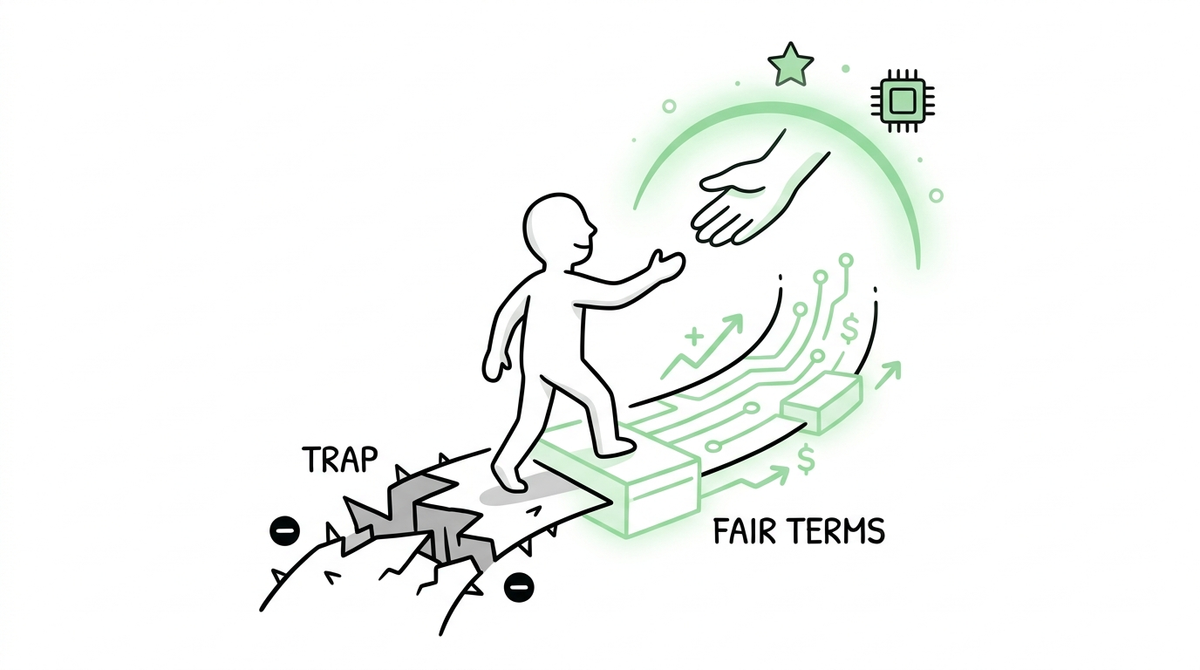
International client protection certifications in the financial sector raise the bar for how everyday Filipino borrowers should expect to be treated by lenders.
Walk down any busy street in a Filipino neighborhood, scroll through your social media feeds, or look at the bulletin boards near public markets, and you will see the same promise repeated in a dozen different ways: "Easy Loan." "Instant Cash." "No Requirements."
For millions of ordinary Filipinos, these advertisements are not just commercial offers; they are temporary lifelines. They represent the tuition fee needed for the upcoming semester, the capital required to restock a small sari-sari store, or the emergency fund for a sudden hospital bill. In an economy where a single missed paycheck or an unexpected illness can disrupt an entire household's stability, access to quick credit is less of a luxury and more of a survival mechanism.
But anyone who has ever taken out a loan knows that the relief of receiving the money is often immediately followed by a quiet, nagging anxiety. How much will the interest really be? What happens if the payment is delayed by just a single day? Will there be hidden fees tucked away in the fine print that turn a manageable loan into an endless cycle of debt?
This is why a recent development in the Philippine financial sector deserves a closer look, far beyond the corporate boardrooms where it was celebrated. Salmon Finance, a prominent fintech player in the country, recently earned international recognition for strict adherence to global client protection standards. In the language of finance, it is a milestone for "responsible financial inclusion." But for the tricycle driver, the online seller, or the salaried worker trying to bridge the gap between paydays, this corporate milestone raises a much more vital, human question: What should we actually expect from the people who lend us money?
Moving Past "Just Getting By"
For the longest time, the conversation around financial services in the Philippines was focused entirely on one word: access. For decades, traditional banking structures left a massive portion of the population unbanked. If you did not have a formal company ID, a steady bank statement, or a land title to offer as collateral, the doors of traditional banks were effectively closed to you.
The rise of financial technology and mobile lending applications changed that landscape almost overnight. Suddenly, a loan could be approved in minutes using nothing more than a smartphone and a digital footprint. In many ways, this digital shift democratized money. It gave power to ordinary citizens who had previously been ignored by the formal financial system.
However, rapid access brought with it a shadow side. When people are desperate for funds, they rarely have the leverage to negotiate terms. They accept whatever conditions are given to them. Across the country, stories abounded of astronomical interest rates, predatory collection practices that bordered on harassment, and ambiguous terms that left borrowers confused about how much they actually owed. Access to credit, while necessary, frequently became a trap rather than a tool for growth.
The international certification recently achieved in the local fintech space signals a shift in the standard. It suggests that simply giving people money is no longer enough. True financial inclusion means ensuring that the process of borrowing does not strip a person of their dignity, their privacy, or their long-term financial health.
The Anatomy of Real Protection
What does "client protection" actually mean when it translates to everyday life? It is not about complex legal frameworks or certificates hanging on an office wall. To an ordinary Filipino family, genuine protection manifests in very specific, practical ways.
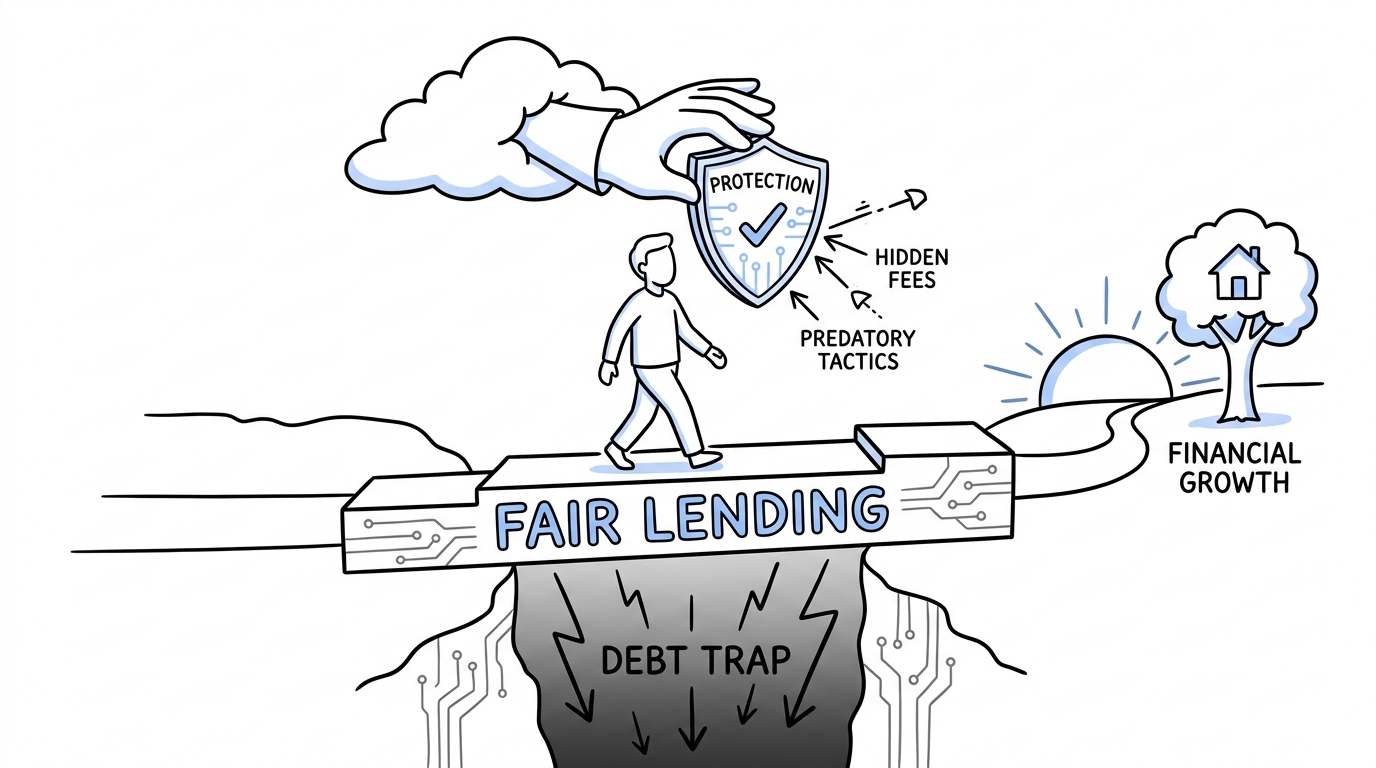
First, it means total transparency. It means that when you borrow 5,000 pesos, you are shown the exact total amount you will pay back, inclusive of all interest and fees, before you press the button to accept. It means no surprises at the end of the month. For a household operating on a tight, daily budget, knowing the precise figures allows for actual planning. It prevents the sudden shock of hidden administrative fees that force families to cut back on groceries or utilities just to cover a loan payment.
Second, it means pricing that is fair and sustainable. Responsible lending organizations evaluate a borrower's capacity to pay, not just to protect their own investments, but to ensure they are not overburdening the consumer. When a financial institution aligns its products with international safety standards, it commits to avoiding over-indebtedness. It means they will not intentionally lend someone an amount they clearly cannot afford to pay back just to profit off penalty fees.
Third, and perhaps most importantly for everyday peace of mind, it dictates how collections are handled. True consumer protection ensures that if a borrower falls on hard times, the interaction remains respectful, legal, and humane. It stands against the aggressive tactics, public shaming, and invasive data privacy breaches that have plagued the casual lending industry for years.
Raising the Bar for Everyone
When one institution proves that it can thrive while strictly adhering to global ethical standards, it sends a ripple effect across the entire Philippine financial landscape. It dismantles the old excuse that high-risk lending inherently requires aggressive, predatory behavior to remain profitable.
This development sets a higher benchmark that ordinary consumers can use to measure other institutions. When Filipinos see that transparent, fair, and respectful financial services are possible, they begin to demand the same from their local cooperatives, their neighborhood micro-lenders, and other digital apps. Over time, this consumer pressure forces the entire industry to elevate its practices. Competition ceases to be just about who can release a loan the fastest; it becomes about who can treat the customer the best.
Furthermore, when the international community recognizes Philippine financial entities for outstanding consumer safety, it builds global trust in our local economy. This trust attracts stable, ethical investments from organizations that care about social impact. More ethical capital flowing into the country means better, cheaper, and more diverse financial products for the public.
The View from the Ground
At its core, this issue reflects why community-based efforts around financial literacy and consumer advocacy matter so deeply. No matter how many global certificates a company earns, the ultimate defense against financial distress will always be an informed, empowered community.
When neighborhoods are equipped with the knowledge to distinguish between a responsible lender and a predatory one, they can protect themselves from financial ruin. Understanding your rights as a borrower—knowing that you deserve clear terms, respectful treatment, and data privacy—is just as important as having access to the funds themselves. Community development happens when individuals no longer feel powerless in the face of financial systems, but instead see those systems as tools they can control and utilize safely to improve their lives.
A Question of Dignity
Money is a deeply personal subject. It touches upon our deepest vulnerabilities—our worries about our children’s futures, our health, and our daily survival. When an individual or a family is forced to borrow, it is an act of trust and, often, an act of necessity.
The global recognition of fair lending practices in the Philippines reminds us that finance should never be divorced from ethics. A growing economy should not be measured merely by how much credit is moving through the system, but by how safely and securely that credit serves the people using it.
As we move forward into an increasingly digital future, where loans are just a click away, we must continue to ask ourselves: Are we building a system that merely uses people for profit, or are we creating an environment where financial tools truly help lift people up? True progress is found when borrowing money no longer feels like a desperate gamble, but a safe, predictable step toward a more stable life.
Lahat tayo masaya kapag madaling makahiram ng pera sa oras ng kagipitan, pero alam ba natin kung ligtas ang ating mga detalye at karapatan bilang borrower? Isang malaking hakbang ang naganap sa bansa ukol sa proteksyon ng mga ordinaryong Pilipino laban sa mapagsamantalang pautang. Paano nga ba binabago ng mga bagong global standards ang paraan ng paghiram natin ng pondo para sa pamilya at kabuhayan?

Power Our Mission, Shape the Future
We empower single parents, PWDs, youths, seniors, and stay-at-home parents through digital livelihood.
Help us build resilient communities.
BUKLURAN remains open to partnerships, sponsorships, and collaborative initiatives that create meaningful community impact.
Whether through funding, in-kind support, volunteerism, or shared services, your organization can help strengthen programs that serve underserved communities.
Do you want to take part in our free livelihood programs, scholarship assistance, and community resource pooling initiatives? Membership is completely free.
Join BUKLURAN!
Register, volunteer, and become a member today.