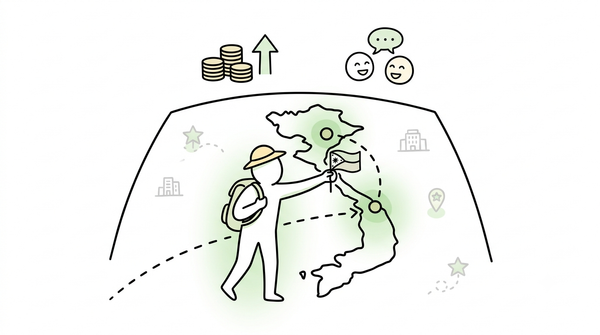
The Invisible Ripple: How Digital Tax Tracking Reaches the Smallest Online Sellers
When the tax bureau tightens rules for digital giants, the ripple effects often land right on the doorsteps of everyday online sellers.
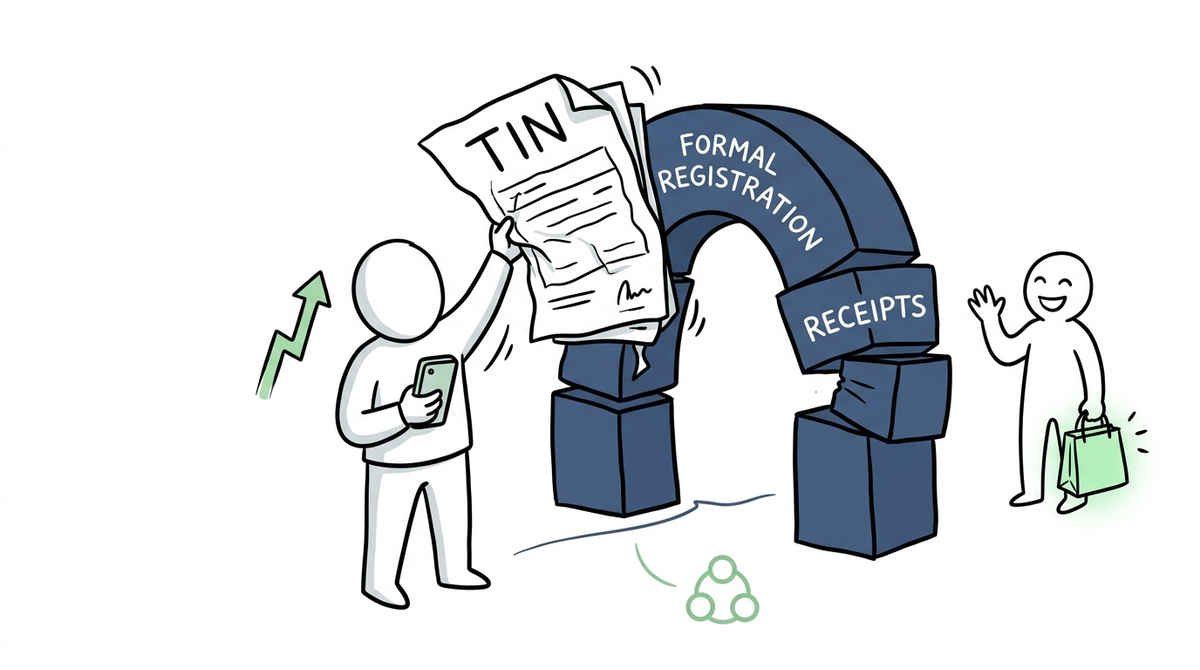
The Bureau of Internal Revenue's strict enforcement of alphalist submissions for digital platforms signals a shifting economic landscape that directly impacts the operating costs and viability of ordinary Filipino online side-hustles.
Every evening across the Philippines, thousands of living rooms transform into packing stations. Parents bubble-wrap home-baked treats, students box up thrifted clothes, and micro-entrepreneurs label handmade crafts, preparing them for the next day’s courier pickup. For many Filipino families, these modest online shops are not corporate empires; they are the extra twenty thousand pesos a month that covers the electricity bill, buys maintenance medicine, or keeps a child in college. It is a world built on convenience, grit, and digital platforms that made starting a business as simple as creating a social media page.
But as the digital marketplace grows, the invisible infrastructure supporting it is shifting. The Bureau of Internal Revenue (BIR) recently issued a firm reminder to electronic marketplace operators and digital financial services providers to strictly submit their alphabetical lists—commonly known as "alphalists"—when filing withholding tax returns.
To the average person, a phrase like "alphalist submission for digital financial services" sounds like corporate background noise, a matter best left to accountants and tech executives. However, in modern economic ecosystems, what happens at the top of the digital pyramid rarely stays there. When the government tightens its grip on the digital platforms we use daily, the ripple effects inevitably travel down to the ordinary Filipinos trying to make a living online.
Decoding the Bureaucracy
To understand why this matters to someone selling goods from their kitchen, we have to look at what an alphalist actually does. An alphalist is essentially a detailed ledger. When a digital platform—like an e-commerce giant or a mobile wallet provider—withholds a small percentage of taxes from transactions, they cannot just hand over a lump sum to the government. They must give the BIR an itemized breakdown of exactly who earned what, how much was withheld, and from whose account it came.
The BIR uses this data to verify that the money collected matches the money remitted. It is a mechanism designed for transparency and accountability, ensuring large corporations do not sit on tax money or misreport earnings. On paper, it is a routine exercise in state revenue collection, meant to build a fairer tax system by capturing the massive wealth circulating through the digital economy.
The challenge, however, is that digital platforms do not operate in a vacuum. They are vast digital ecosystems where millions of micro-sellers, delivery riders, and consumers interact. When compliance demands increase for the platform operators, the operational reality changes for everyone plugged into their network.
The True Weight on Small Shoulders
For a large e-commerce platform or a major digital wallet provider, complying with strict alphalist submissions is a matter of upgrading software and employing data analysts. They have the institutional capacity to handle complex tax tracking. The true vulnerability lies in how these platforms adapt to avoid heavy penalties and sanctions from the government.
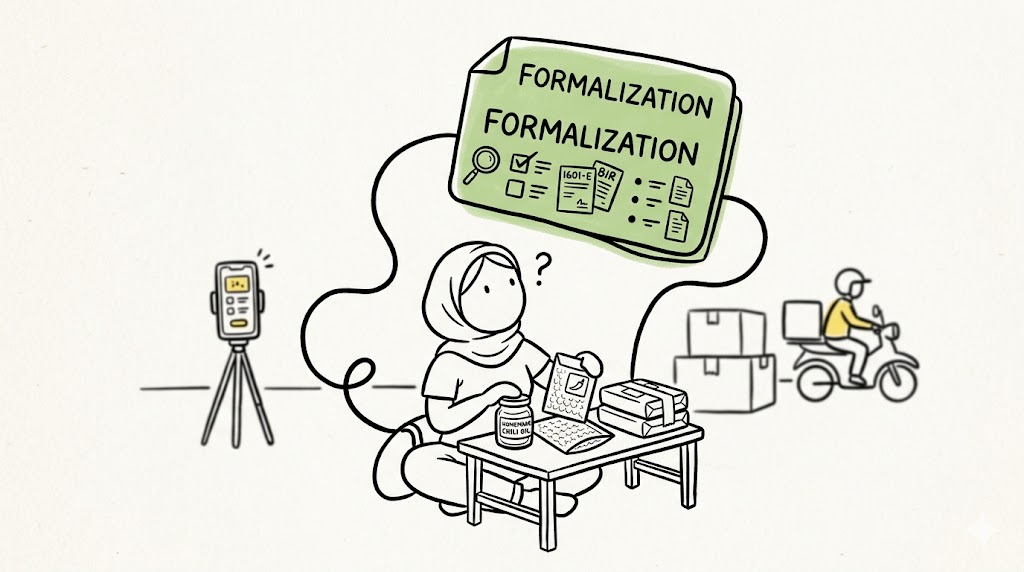
To ensure their alphalists are perfectly accurate, platforms must become much stricter with the people selling on their apps. This means everyday sellers are facing a wave of new bureaucratic requirements. To keep their digital storefronts active, ordinary citizens who may not have any formal background in business administration are now required to submit official Tax Identification Numbers (TIN), business registrations, and formal documentation.
For a big retail brand, this is standard practice. For a stay-at-home mother selling pre-loved baby clothes or a displaced worker running a small digital shop, the process can be deeply intimidating. Navigating government offices, paying registration fees, and understanding the nuances of tax compliance require time and resources that many small-scale earners simply do not have. There is a real risk that instead of transitioning into the formal economy, many micro-sellers might choose to close their digital shops altogether, cutting off vital lifelines of household income.
Furthermore, compliance comes with operational costs. When digital platforms invest heavily in new tracking compliance systems and legal frameworks, those expenses have a tendency to trickledown. This can manifest as higher transaction fees, increased commissions, or stricter holding periods on earnings. For an ordinary seller operating on razor-thin profit margins, an extra one or two percent deduction per transaction directly impacts what they can put on the dinner table that night.
The Consumer End of the Chain
The impact of these regulatory shifts does not stop at the sellers. In the economic chain, costs are rarely absorbed entirely by businesses; they are shared with the consumer.
Filipinos have grown to rely on the digital economy for affordable goods and accessible services. If online side-hustlers face higher platform fees and the added costs of formal compliance, they will eventually be forced to raise their prices to survive. The affordable house dress, the budget-friendly home-cooked meal delivery, and the accessible gadget repair service may all become slightly more expensive.
At a time when inflation already stretches the daily budget of the average Filipino family, even a minor price hike across digital marketplaces can affect household purchasing power. The convenience of the digital shift, which once offered a cheaper alternative to traditional retail, risks becoming less accessible to the ordinary public.
A Balance Between Structure and Survival
This tension highlights a fundamental challenge in national development: how to build a robust, tax-compliant economy without crushing the informal safety nets that keep families afloat.
Taxes are the lifeblood of the nation, funding the roads, public hospitals, and schools that communities rely on. Ensuring that the rapidly growing digital sector contributes its fair share to national growth is a legitimate and necessary goal for long-term economic stability. A transparent tax system protects consumers and creates a level playing field for all businesses.
Yet, the transition from an informal, loose digital marketplace to a highly regulated, strictly tracked environment requires empathy and pacing. When implementing policies that target large digital platforms, there must be an awareness of the small actors who populate those spaces. Financial inclusion is not just about giving someone a digital wallet; it is about ensuring they are not pushed out of the economic circle when that digital wallet becomes heavily regulated.
The conversation around digital tax compliance cannot just be about penalties, systems, and revenue targets. It must also include discussions on how to make tax literacy accessible, how to simplify registration for micro-enterprises, and how to protect the most vulnerable participants in the digital marketplace from being overwhelmed by bureaucracy.
Looking Forward
As the digital landscape in the Philippines continues to mature, rules like the BIR alphalist submission are here to stay. The era of the completely unregulated online wild west is drawing to a close.
The true measure of this policy’s success will not just be found in the billions of pesos added to the national treasury. It will be found in whether the ordinary Filipino online seller can adapt, survive, and grow alongside these changes. As we move toward a more structured digital economy, the collective hope is that the systems built to monitor wealth do not inadvertently dismantle the modest ladders ordinary people use to climb out of poverty.
Lahat tayo masaya kapag madaling kumita gamit ang internet—benta dito, deliver doon gamit ang mga apps at digital wallets. Pero paano kung ang mga bagong patakaran sa buwis ay maging dahilan para mahirapan ang mga maliliit na online sellers? Ano nga ba ang epekto ng mas mahigpit na pagbabantay ng BIR sa mga digital platforms para sa mga ordinaryong pamilyang dumidiskarte sa e-commerce?

Power Our Mission, Shape the Future
We empower single parents, PWDs, youths, seniors, and stay-at-home parents through digital livelihood.
Help us build resilient communities.
BUKLURAN remains open to partnerships, sponsorships, and collaborative initiatives that create meaningful community impact.
Whether through funding, in-kind support, volunteerism, or shared services, your organization can help strengthen programs that serve underserved communities.
Do you want to take part in our free livelihood programs, scholarship assistance, and community resource pooling initiatives? Membership is completely free.
Join BUKLURAN!
Register, volunteer, and become a member today.