The Price at the Counter: What Corporate Pharma Deals Mean for the Family Medicine Box
When a massive investment firm partners with a national pharma procurer, the real test isn't the stock price—it’s the price at the pharmacy.
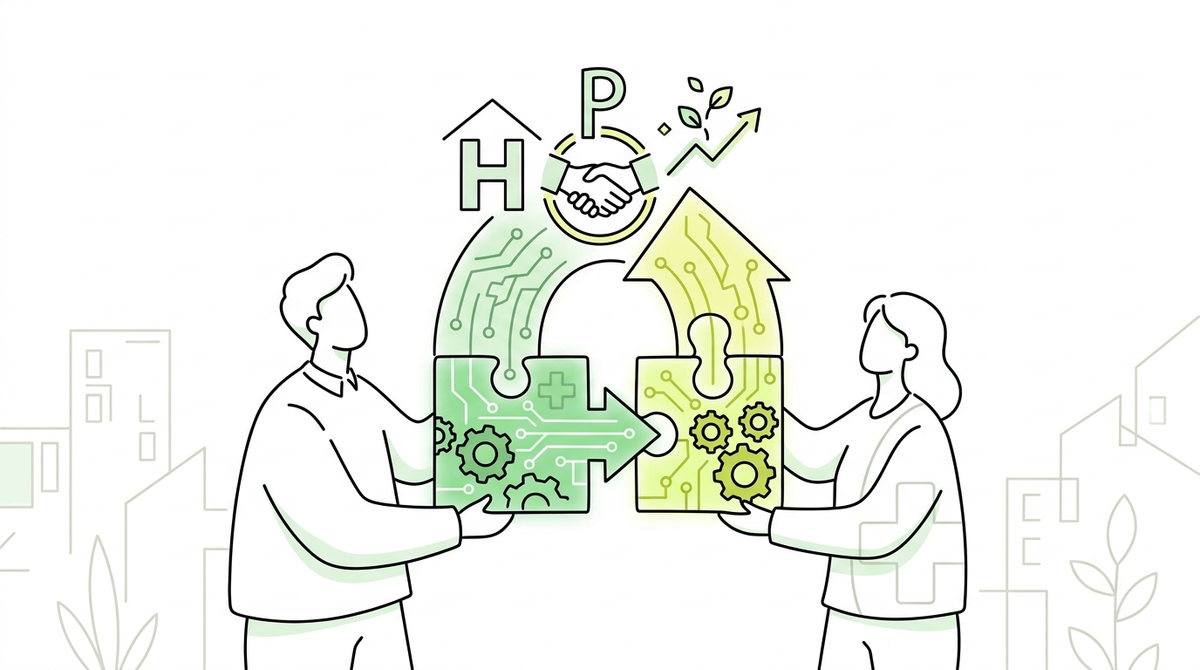
The article explores how the corporate collaboration between House of Investments and Philippine Pharma Procurement Inc. impacts the real-world affordability and availability of medicine for ordinary Filipino families.
On any given morning in the Philippines, a familiar ritual plays out in front of local pharmacies. An elderly man counts his loose change, weighing the cost of his maintenance blood pressure pills against the budget for the family's lunch. A mother asks the pharmacist if she can buy just three days' worth of antibiotics instead of the full week prescribed for her child, hoping it will be enough to break the fever.
For millions of Filipinos, healthcare is not a abstract policy or a line item in a national budget. It is a daily, stressful calculation made at the drugstore counter.
Recently, a major business announcement made headlines in the financial sections: the House of Investments Inc. (HI), a massive conglomerate with wide-ranging business interests, signed a memorandum of cooperation with Philippine Pharma Procurement Inc. (PPPI), a key player in the sourcing and distribution of pharmaceutical products in the country. To the business community, it was a strategic alliance aimed at exploring new market opportunities, expanding portfolios, and driving corporate growth.
But for the ordinary Filipino who has to choose between buying medicine or buying rice, these high-level corporate handshakes raise a much more grounded question: Will this alliance actually make it easier and cheaper to get well?
Understanding the Corporate Handshake
To understand what this development could mean for the public, it helps to look at who is sitting at the table without getting bogged down in corporate jargon.
On one side is the House of Investments, a corporate giant with the capital, infrastructure, and logistical backing to move massive projects forward. On the other side is Philippine Pharma Procurement Inc., an entity deeply embedded in the complex web of sourcing, purchasing, and distributing medicines across the archipelago.
When a massive investment powerhouse joins forces with a pharmaceutical procurement entity, they are essentially combining financial muscle with specialized medical supply chains. The stated goal is to explore potential areas of collaboration and identify new business fields within the country.
In the language of the stock market, this is about maximizing business potential and expanding investment strategies. But in the language of the community, procurement and investment are the two engines that determine how many boxes of essential medicines actually make it to provincial hospitals, rural health units, and neighborhood drugstores.
Moving Beyond the Financial Headlines
When big corporations sign cooperation agreements, the initial announcements are often light on specific details and heavy on optimism. They speak of "synergy," "growth," and "strategic positioning." However, the true impact of any pharmaceutical or investment partnership takes months, sometimes years, to trickle down to the people who need it most.
There are two ways a development like this can go, and both have direct consequences for Filipino households:
- The Optimistic Path: Increased investment in pharmaceutical procurement could lead to better economies of scale. If a partnership results in more efficient supply chains, streamlined importation, and modernized distribution hubs, the cost of bringing medicines into the country goes down. In an ideal market, those savings are passed on to the consumer, resulting in lower retail prices for life-saving drugs.
- The Status Quo Risk: If corporate collaborations focus purely on high-margin, premium pharmaceutical sectors or specialized healthcare ventures, the benefits remain trapped at the top. If the partnership expands business fields without deliberately addressing the affordability of basic, essential medicines, the ordinary consumer will see no difference at the checkout counter.
The barrier to true healthcare equity in the Philippines has rarely been a lack of corporate interest; it has always been a bottleneck in distribution and the high cost of retail medicine. Our geography—an archipelago of thousands of islands—makes logistics incredibly expensive. Whether a corporate alliance can solve that logistical puzzle is the real metric of success.
The Everyday Reality of the Medicine Box
To truly grasp why this matters, we have to look at the anatomy of a typical Filipino household's budget. Out-of-pocket health expenditure remains one of the leading causes of financial shock for local families. A single severe illness can wipe out a family's entire life savings or force them into cycles of high-interest debt.
Consider the reality of a working-class family in a peri-urban community. They do not track the stock movements of holding companies. Instead, they track the fluctuating price of generic versus branded paracetamol. They know exactly how much a single capsule of diabetes medication costs because that number dictates whether the household provider can afford to take their full dosage every single day, or if they have to ration their pills—taking them every other day to make the blister pack last longer.
When medicine is treated merely as a commodity to be traded and optimized for corporate growth, the human cost of illness can get lost in the spreadsheets. A reliable, affordable supply of medicine is not a luxury; it is a fundamental pillar of community resilience. When a worker can manage their chronic illness affordably, they stay employed. When a child gets timely, low-cost antibiotics, they stay in school. The health of the economy is directly tied to the physical health of the people operating it.
The Value of Community-Led Health Context
This tension between high-level commercial supply chains and the actual grassroots availability of care is a challenge seen across the country. It highlights exactly why localized, community-based efforts around health literacy and basic welfare support are so critical.
While large corporate entities look at nationwide procurement systems, grassroots initiatives are the ones seeing the immediate gaps left behind—the far-flung barangays where even basic vitamins are scarce, or communities where a lack of digital literacy prevents families from accessing government health subsidies. True security happens when large-scale institutional improvements align with the actual, felt needs of a neighborhood.
Looking Forward with Informed Eyes
We should welcome economic developments that promise to strengthen the country's business infrastructure. A robust corporate sector can drive innovation and build facilities that a developing nation desperately needs.
However, as citizens and consumers, our role is to look past the ceremonial photos of executives signing documents and keep our eyes firmly on the outcomes. We must continue to ask the hard questions: Will this partnership lead to a more stable supply of maintenance medicines in provincial areas? Will it lower the cost of critical care drugs? Will it make the Filipino family less vulnerable to the financial devastation of a medical emergency?
The true value of an investment is never found in the text of a memorandum of cooperation. It is found in the relief a parent feels when they walk into a clinic, hand over their prescription, and find that the medicine they need is available, accessible, and well within their reach.
Lahat tayo masaya kapag may bagong investement at business deal sa bansa, pero ano nga ba ang ibig sabihin para sa atin kapag ang isang malaking investment firm at isang pharma procurement company ay nagkaparehas?
Sa huli, hindi naman ang stock price ang tinitingnan ng ordinaryong Pilipino—kundi ang presyo ng gamot sa botika kapag may nagkakasakit sa pamilya. Pababaain kaya nito ang singil sa mga maintenance pills natin?
Power Our Mission, Shape the Future
We empower single parents, PWDs, youths, seniors, and stay-at-home parents through digital livelihood.
Help us build resilient communities.
BUKLURAN remains open to partnerships, sponsorships, and collaborative initiatives that create meaningful community impact.
Whether through funding, in-kind support, volunteerism, or shared services, your organization can help strengthen programs that serve underserved communities.
Do you want to take part in our free livelihood programs, scholarship assistance, and community resource pooling initiatives? Membership is completely free.
Join BUKLURAN!
Register, volunteer, and become a member today.