The Real Value of Saved Pesos
Zero fees on e-wallets mean more than saved pesos. For millions of Filipinos, it is the first real step into financial security.
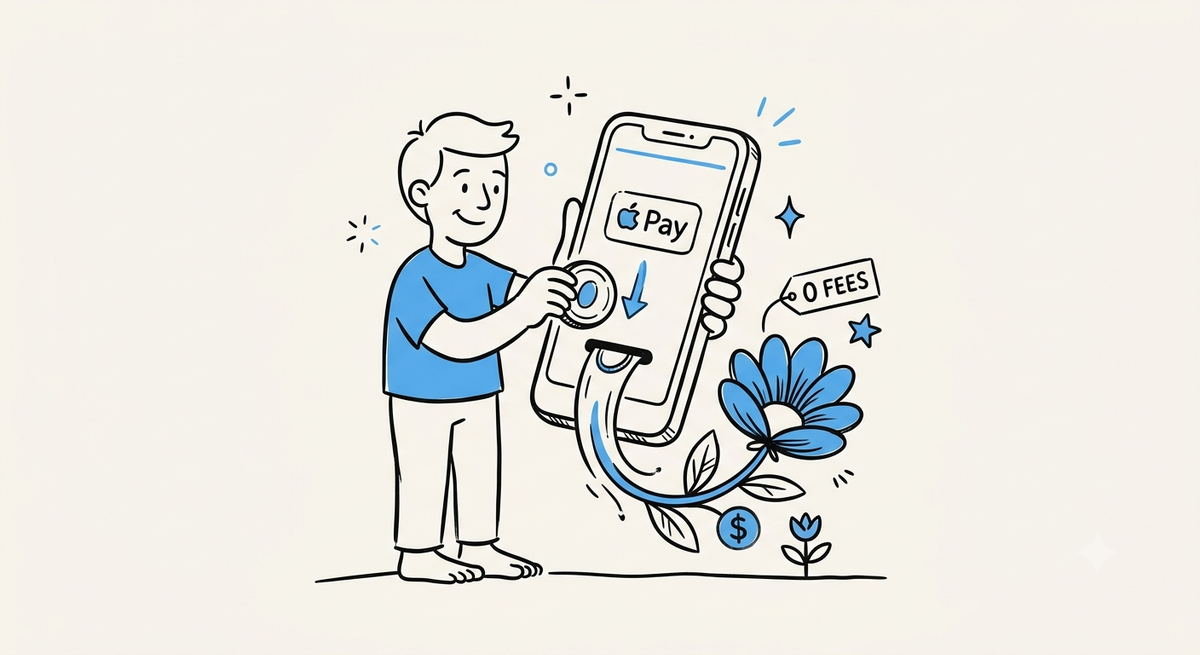
The waiver of digital transfer fees lowers the barrier to financial inclusion, transforming saved pesos into tangible economic resilience for ordinary Filipino families.
For many Filipino households, the daily budget is a finely tuned puzzle. Every single peso is mapped out long before it leaves the coin purse. It goes to a kilo of rice, a jeepney fare, a child's school project, or a quick trip to the neighborhood sari-sari store. In this tightly managed reality, transaction fees—those small, seemingly negligible charges of 10, 15, or 25 pesos whenever you send money through an app—are not just minor inconveniences. They are invisible roadblocks. To someone working a minimum-wage job or running a micro-enterprise, those fees represent a fraction of a meal, a clean bottle of water, or a bus ride home. For years, the cost of moving money digitally felt like a luxury tax on the unbanked, keeping millions from ever dipping their toes into the formal financial system.
Recently, the Bangko Sentral ng Pilipinas (BSP) announced a significant milestone: the Philippines is firmly on track to hit its goal of converting 60% to 70% of total retail payment volume into digital transactions by 2028. This shifts the conversation from a distant government roadmap to a tangible reality for regular citizens. The catalyst for this rapid acceleration isn't just a sudden change in consumer habits; it is the widespread reduction and outright waiver of digital transfer fees by major banks and electronic wallet providers. By removing the financial friction of moving money from one account to another, financial institutions have opened a door that had been firmly shut for a large portion of the population.
Breaking Down the Invisible Roadblock
To understand why this shift matters, one must look at how digital fees historically functioned as a penalty on poverty. For an executive transferring tens of thousands of pesos, a 15-peso fee is an unnoticed line item. But for a mother sending 500 pesos to her child in the province, that same 15-peso fee represents a significant percentage of her hard-earned money. It was simply more logical to commute to a physical remittance center, stand in a long line, and deal in cash.
By eliminating these transaction barriers, the digital economy becomes democratic. A frictionless digital payment ecosystem means a small tricycle driver can accept a transfer without worrying that a chunk of their fare will vanish into bank processing fees. It means a small vendor can pay a supplier instantly, keeping their cash flow moving without the physical risk of carrying thick wads of paper bills through crowded public spaces.
The Ripple Effect on Everyday Economies
When digital money becomes entirely free to move, it alters how communities function at the grassroots level. Consider the traditional Filipino wet market or palengke. For generations, cash was the absolute ruler of these spaces. Vendors start their days before dawn, handling damp paper bills and heavy coins, constantly worrying about making exact change or losing their earnings to petty theft.
When e-wallets and digital bank accounts lose their fee structures, the incentives align for these micro-merchants. The transition to digital payments provides them with something cash never could: a reliable financial footprint. Every digital transaction leaves a clean, undeniable record of earnings. For a small business owner, this digital paper trail is a golden ticket. When they eventually need a loan to expand their inventory or repair their stall, they no longer have to rely on predatory informal lenders who charge exorbitant interest rates. They can show an official, verified transaction history to formal financial institutions, proving their creditworthiness and securing fair, regulated loans.
However, this transition is not without its growing pains. For older, traditional brick-and-mortar businesses that have built their entire livelihood around cash, the digital shift can feel alienating and complex. There is a steep learning curve involved in trusting money that you cannot physically hold in your hand. Additionally, banks and e-wallet providers are facing a structural shift, adjusting their business models as they move away from relying on transfer fees to sustain their profit margins. Yet, the long-term societal benefits of bringing millions of informal workers into a regulated, transparent financial system far outweigh these temporary friction points.
From Survival to Security
Ultimately, the true success of a 70% digital payment landscape is not measured by the sophisticated software the banks use or the sheer volume of data passing through servers. It is measured by the psychological safety it provides to regular families.
When a household shifts from cash-dependence to digital inclusion, their relationship with money transforms. Cash in a drawer is easily spent on immediate, non-essential needs, or lost to unforeseen domestic emergencies. Digital accounts, conversely, allow for structured separation. A family can dedicate one digital pocket strictly for emergencies, another for tuition fees, and a third for daily expenses. It fosters a culture of micro-savings, enabling people to set aside 20 or 50 pesos at a time without the fear that transaction costs will consume their progress.
This issue illustrates precisely why community-based efforts around digital literacy and basic financial education are so critical. A tool is only empowering if the person holding it knows how to use it safely and effectively. Ensuring that the most vulnerable sectors of our society understand how to navigate these digital spaces securely, protect their personal information, and maximize their saved pesos is the final, essential step in true financial inclusion.
As the country moves steadily toward a less-cash society, the focus must remain on the human beings behind the screens. The true victory of achieving these digital milestones is not found in macro-economic reports or rising gross domestic product charts. It is found in the quiet relief of a parent who can send money home instantly, safely, and entirely for free—knowing that every single centavo they earned will arrive exactly where it is needed most.
Lahat tayo masaya kapag walang bawas ang padala natin sa pamilya. Pero alam mo ba na ang zero transfer fees sa e-wallets at bangko ay hindi lang basta bawas-gastos? Para sa milyun-milyong Pilipino, ito ang unang hakbang para makaiwas sa mga patung-patong na utang at tuluyang maipon ang bawat pisong pinaghirapan. Paano nga ba binabago ng "saved pesos" ang buhay ng mga ordinaryong pamilya?

Power Our Mission, Shape the Future
We empower single parents, PWDs, youths, seniors, and stay-at-home parents through digital livelihood.
Help us build resilient communities.
BUKLURAN remains open to partnerships, sponsorships, and collaborative initiatives that create meaningful community impact.
Whether through funding, in-kind support, volunteerism, or shared services, your organization can help strengthen programs that serve underserved communities.
Do you want to take part in our free livelihood programs, scholarship assistance, and community resource pooling initiatives? Membership is completely free.
Join BUKLURAN!
Register, volunteer, and become a member today.