24 Million Filipinos Used National ID to Open GCash: What It Means for Everyday Families
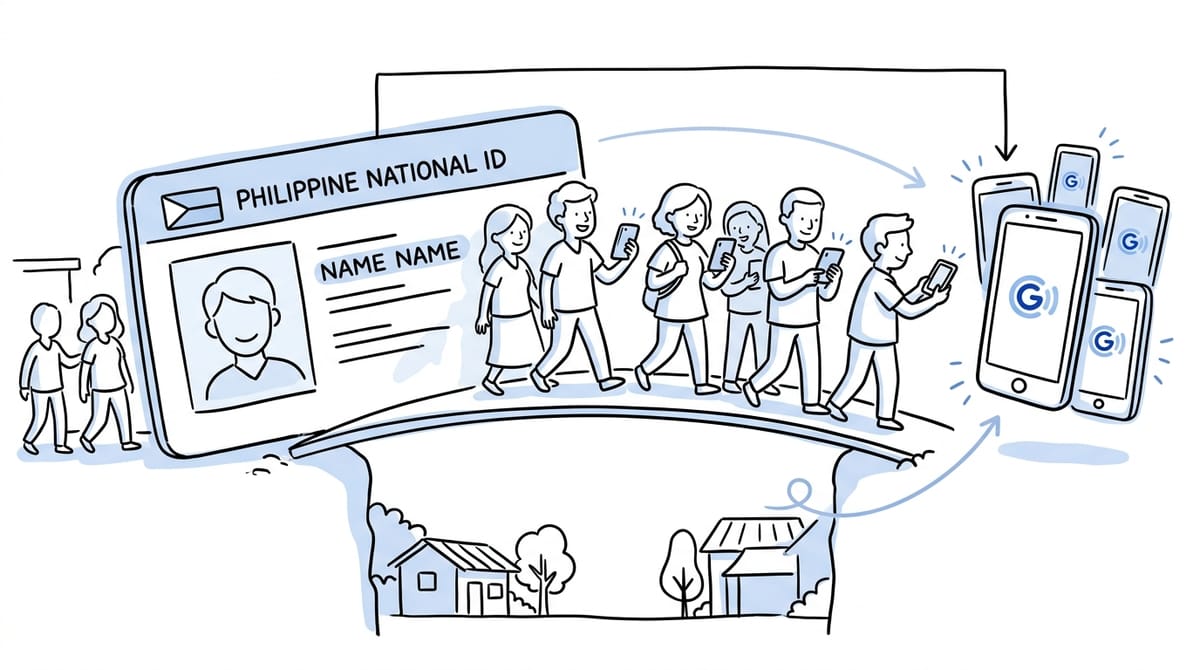
The Philippine Statistics Authority (PSA) reported that 24.4 million Filipinos—accounting for 61% of onboarded GCash users as of May 2026—used the National ID in card, paper, or digital formats to verify their mobile wallet accounts. Joint PSA and GCash mobile registration drives in rural barangays are reducing barriers for previously unbanked households. While this expansion improves access to financial tools and government e-services (like requesting civil documents directly in-app), users must remain vigilant against account-takeover scams and protect their personal verification details.
Over 24 million Filipinos have successfully used their National ID to verify and set up GCash accounts, making it the single most utilized identification document on the platform.
Data released by the Philippine Statistics Authority (PSA) shows that as of May 2026, 61 percent of newly onboarded GCash users—equivalent to 24.4 million individuals—relied on the PhilSys National ID in physical card, paper credential, or digital format to establish verified mobile wallet accounts.
Through joint outreach drives bringing both National ID processing and GCash onboarding directly into rural barangays, government and private sectors are making strides toward universal digital access. However, while opening an account is now significantly easier, understanding the practical opportunities and security precautions that come with digital finance remains critical for every Filipino household.
Over 24 Million Filipinos Use National ID to Open GCash Accounts — PSA
"We want to make sure no Filipino gets left behind in the country's digital transformation agenda just because they don't have a government ID."
What Happened
According to the PSA, the National ID has officially become the primary identification document for opening and verifying accounts on GCash.
To achieve this, the PSA and GCash expanded mobile registration teams across rural and low-income barangays, allowing residents without traditional valid IDs to register for PhilSys and verify an e-wallet in a single visit. Additionally, GCash integrated the PSAHelpline service directly into its application, enabling verified account holders to request civil registry documents—such as birth, marriage, and death certificates—directly on their phones.
Why This Matters
For decades, millions of ordinary Filipinos were locked out of formal financial services simply because they lacked primary government-issued IDs, such as a passport or driver's license. Obtaining those traditional IDs often required existing identification, creating a cycle that left low-income families, informal workers, and rural residents unbanked.
By accepting the National ID in all valid forms (card, paper, or digital), e-wallet registration lowers this barrier. Financial inclusion allows families to receive remittances instantly, store emergency money safely, access small micro-loans without turning to informal lenders, and pay bills without spending money on daily transportation.
What the Headlines Don't Explain
While reaching 24.4 million verified accounts is a major milestone, a verified e-wallet is only the first step toward true financial security. Headline figures often overlook several practical realities:
- An open account does not equal digital literacy: Owning a verified GCash account does not automatically mean a user understands how to manage digital funds safely, evaluate online fees, or recognize sophisticated phishing attempts.
- Format acceptance at the grassroots level: Although GCash accepts digital and paper (ePhilID) versions, some local merchants or physical establishments remain hesitant to accept non-card formats, causing occasional confusion for users.
- Connectivity and device limitations: Millions of Filipinos in remote areas still face poor cellular signals or rely on shared basic smartphones, making app navigation and regular verification updates challenging.
- Heightened target for cybercriminals: As millions of first-time digital users join mobile platforms, scammers increasingly target inexperienced account holders using fake verification calls, fraudulent text messages, and phishing links.
How This Could Affect Filipinos
- For Families and Workers: Sending money to relatives in the provinces becomes cheaper and faster. Informal workers and freelancers can receive digital payments directly from customers without maintaining high minimum balance bank accounts.
- For Micro-Entrepreneurs and Small Businesses: Sari-sari store owners and home-based sellers can accept cashless payments using QR codes, expanding their customer base and eliminating the risk of handling excessive cash.
- For Senior Citizens and Persons with Disabilities (PWDs): Having a verified e-wallet paired with in-app public services reduces the physical strain of traveling to government centers or standing in long queues just to request civil certificates or pay utility bills.
What People Should Know
A verified e-wallet is a powerful tool, but users must remember essential rules to protect their funds:
- The National ID is free: The initial issuance of the PhilSys National ID and its digital versions are completely free of charge. No individual or agent should charge fees to "expedite" ID registration.
- All formats are legally valid: The paper ePhilID, digital PhilID, and physical card carry equal legal weight for account verification under the law.
- GCash and PSA will never ask for your MPIN or OTP: No official representative will ever message or call asking for your 4-digit MPIN or One-Time Password. Sharing these details gives scammers direct access to your money.
Practical Takeaways
- Download official apps only: Ensure you download GCash and access PSA services exclusively through verified app stores (Google Play Store, Apple App Store) to avoid clone applications designed to steal credentials.
- Store your PhilSys digital credentials safely: Keep physical copies of your paper ID or digital screenshots in a secure place, and never share full ID details on public social media groups.
- Practice basic digital hygiene: Never click links sent via SMS or unofficial chat groups claiming your account is "suspended" or requires "re-verification." Always verify alerts directly inside the official app.
Looking Ahead
As government agencies like the National Telecommunications Commission (NTC) consider policies prioritizing the National ID for single-document verification—such as proposed updates to SIM registration rules—the PhilSys ecosystem will become even more central to everyday life. Ensuring that digital literacy programs keep pace with this rapid expansion will determine whether newly banked Filipinos truly benefit from the digital economy.
Building digital readiness and consumer safety awareness remains a key priority for community-based initiatives nationwide. Programs like the BUKLURAN Bagong Simula Learning Program work to ensure that as families gain access to digital platforms, they also gain the practical knowledge required to use these financial tools securely and effectively.
Power Our Mission, Shape the Future
We empower single parents, PWDs, youths, seniors, and stay-at-home parents through digital livelihood.
Help us build resilient communities.
BUKLURAN remains open to partnerships, sponsorships, and collaborative initiatives that create meaningful community impact.
Whether through funding, in-kind support, volunteerism, or shared services, your organization can help strengthen programs that serve underserved communities.
Do you want to take part in our free livelihood programs, scholarship assistance, and community resource pooling initiatives? Membership is completely free.
Join BUKLURAN!
Register, volunteer, and become a member today.