Stricter Penalties for Erring Banks: What the BSP’s New Draft Rules Mean for Your Savings
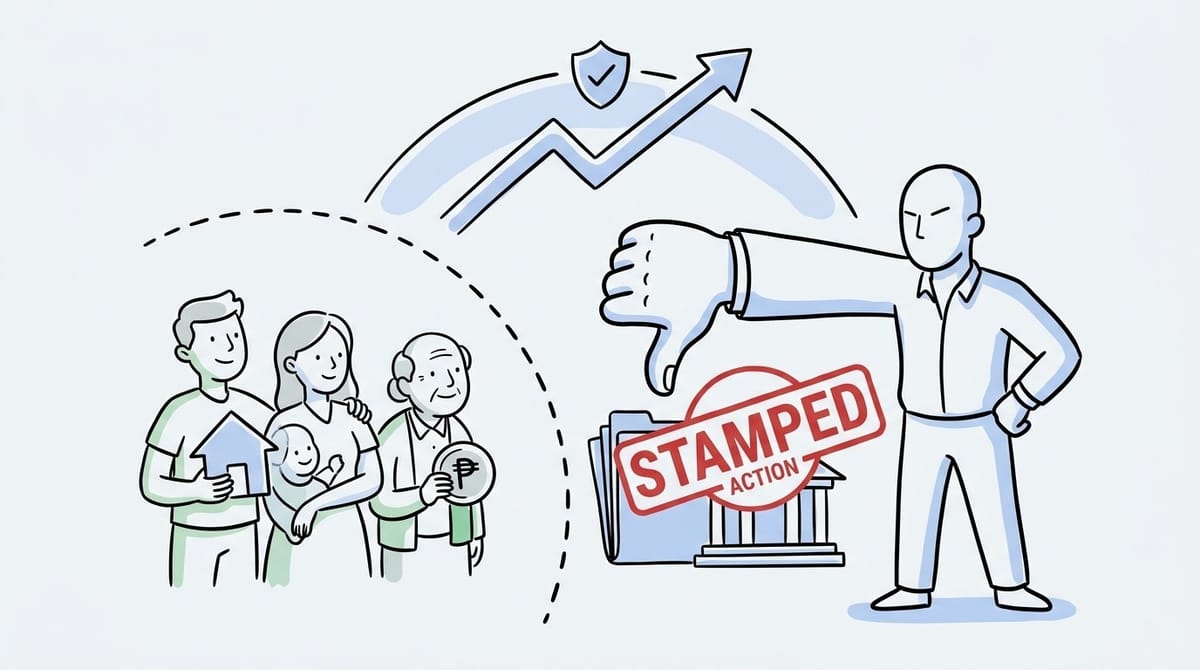
The Bangko Sentral ng Pilipinas (BSP) has drafted updated administrative rules to speed up and enforce disciplinary actions against erring banks, financial institutions, and bank officials. The proposed guidelines set clear timelines for cases, tiered penalties ranging from reprimands to permanent disqualification, and strict limits on appeals. For ordinary Filipino consumers, these reforms aim to strengthen trust in the financial system, protect hard-earned deposits, and ensure better accountability among financial service providers.
BSP Crackdown: Erring Bankers Face Up to 1-Year Suspensions and 30-Day Reply Deadlines
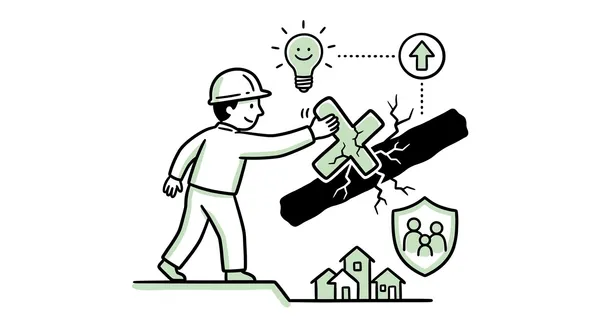
No Easy Exit: Any withdrawal of an administrative complaint by the complainant will neither result in outright dismissal nor discharge the accused from sanctions when charges hold merit.
The Bangko Sentral ng Pilipinas (BSP) is taking steps to tighten its disciplinary framework for banks, financial institutions, and their executives. Under proposed administrative rules released in September 2026, the central bank aims to streamline how it investigates, resolves, and penalizes regulatory violations within the country’s financial system.
While banking rules can sound like technical government talk, this policy development has direct real-world implications for everyday Filipinos. From savings accounts and online bank transfers to small loans, every family relies on a safe and dependable financial system. Understanding how financial regulators hold banks accountable helps consumers better protect their own money.
What Happened?
The central bank published draft guidelines establishing a clearer, faster process for handling administrative cases against BSP-supervised financial institutions and their personnel.
Key provisions in the proposed framework include:
- Strict Timelines for Cases: Accused institutions or employees have 30 calendar days to file a sworn answer to charges. The BSP’s handling unit is mandated to resolve cases within 60 calendar days once submitted for resolution.
- Tiered Penalties Based on Offense Severity: Minor administrative offenses start with reprimands, but repeated minor violations can lead to suspensions ranging from one to six months. Serious offenses carry suspensions starting at six months and one day, while repeat serious violations can result in complete removal from office or permanent disqualification.
- Non-Dismissal via Withdrawal: A complainant’s decision to withdraw a charge will not automatically result in dismissal if the evidence shows clear wrongdoing, preventing institutions from settling administrative violations quietly behind closed doors.
- Strict Appeal Limits: Respondents may file only one Motion for Reconsideration within 15 calendar days based strictly on grave errors of fact or law. No second motions will be allowed, preventing prolonged legal delays.
Why It Matters
In recent years, Filipinos have increasingly transitioned to formal banking services, e-wallets, and digital payment systems. However, growing adoption also brings concerns regarding service disruptions, unaddressed complaints, fraudulent schemes, and operational negligence.
When banks or their officers break regulatory rules—whether through unsafe lending practices, misrepresentation, or internal misconduct—it is ordinary depositors who face the greatest risk. By shortening the timeframe for disciplinary cases and eliminating procedural loopholes, the central bank aims to deter bad behavior before it threatens the stability of the broader financial sector.
What the Headlines Don't Explain
News coverage often focuses strictly on the legal draft itself, but the broader operational context explains why this update is happening now.
Over the past few years, the central bank has systematically modernized its oversight framework. In 2021, the BSP raised administrative fines for transactional violations up to ₱1,000,000 per instance (or ₱100,000 per day for continuing offenses). Furthermore, in September 2025, the BSP demonstrated a zero-tolerance stance by imposing maximum administrative penalties—including permanent disqualification and forfeiture of benefits—on supervisors involved in internal administrative violations.
This new 2026 procedural draft represents the next logical step: high monetary fines and tough penalties are only effective if the legal process moves quickly. By closing administrative loopholes, the regulator is ensuring that investigations do not stall in endless appeals.
How This Could Affect Filipinos
For average consumers, stronger regulatory oversight serves as an invisible guardrail for personal finances:
- Better Protection for Savings: Stronger deterrence reduces the risk of bank mismanagement or insolvency, helping protect the deposits of working families.
- Higher Accountability in Customer Support: Banks that face swift penalties for systemic failure or non-compliance are more likely to resolve customer grievances, billing errors, and unauthorized transactions promptly.
- Safer Digital Financial Services: As financial technology grows, clear enforcement ensures that digital banks and financial institutions adhere strictly to security standards and ethical conduct.
What People Should Know
It is essential to understand what BSP administrative proceedings do and do not do for individual account holders:
- Administrative Cases vs. Individual Claims: The BSP’s administrative disciplinary process determines whether a bank violated banking laws and mandates penalties or suspensions. It is an administrative enforcement tool, not a civil court that automatically awards personal damage payouts to individual victims.
- Due Process Remained Intact: Faster proceedings do not eliminate due process. Institutions and employees retain the right to present evidence within defined legal windows.
- Continuous System Stability: Stricter enforcement is designed to strengthen banking institutions, not destabilize them. Early interventions prevent minor institutional issues from escalating into systemic failures.
Practical Takeaways
While regulators work to enforce institutional discipline, consumers should maintain active oversight of their personal accounts:
- Keep Records of Bank Interactions: Always retain receipts, transaction reference numbers, screenshots of digital errors, and official customer service correspondence.
- Follow Official Grievance Steps: If you encounter an unresolved issue with a financial institution, file a formal complaint through the bank’s official customer protection channels first.
- Escalate to the Central Bank: If a supervised institution fails to resolve a valid complaint, escalate the matter directly through the BSP Consumer Assistance Mechanism (such as the BOB chatbot on the official BSP website).
- Verify Official Advisory Updates: Stay informed through official BSP circulars and press releases regarding supervised and licensed financial institutions.
What Happens Next
The proposed rules undergo review and feedback processing before final approval by the Monetary Board and official publication. Once effectivity takes hold, pending and future administrative cases involving supervised financial institutions will be processed under these streamlined timelines. Consumers should monitor official releases to confirm when the final circular is formally enacted.
Building strong financial security relies on both institutional accountability and individual awareness. As regulatory agencies tighten safeguards across the financial sector, community initiatives—such as the digital safety and financial literacy sessions under BUKLURAN’s Bagong Simula Program—help families stay informed, recognize consumer rights, and manage household finances with confidence.

Power Our Mission, Shape the Future
We empower single parents, PWDs, youths, seniors, and stay-at-home parents through digital livelihood.
Help us build resilient communities.
BUKLURAN remains open to partnerships, sponsorships, and collaborative initiatives that create meaningful community impact.
Whether through funding, in-kind support, volunteerism, or shared services, your organization can help strengthen programs that serve underserved communities.
Do you want to take part in our free livelihood programs, scholarship assistance, and community resource pooling initiatives? Membership is completely free.
Join BUKLURAN!
Register, volunteer, and become a member today.