What Substandard Steel Bars Mean for Philippine Homes and Public Safety
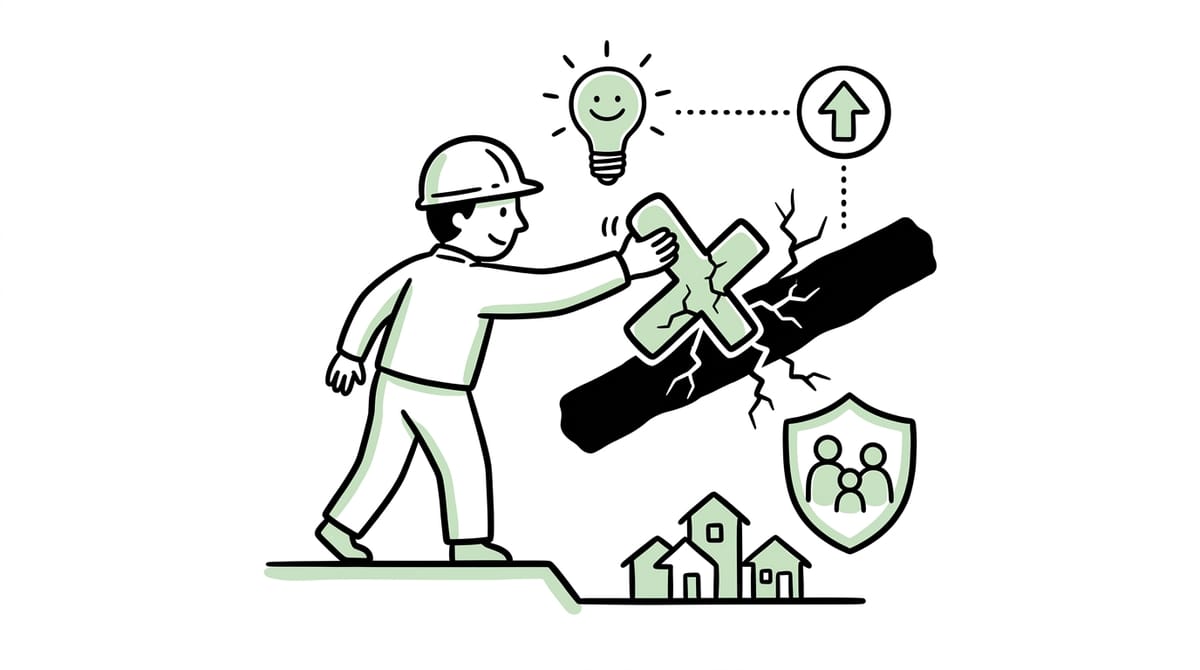
This article explains the dangers of substandard steel rebar in Philippine construction, detailing risks to home safety, climate resilience, and economic security. It breaks down technical standards into clear advice for homeowners and small builders, covering identification methods, regulatory checks, and practical steps to ensure structural integrity during natural disasters.
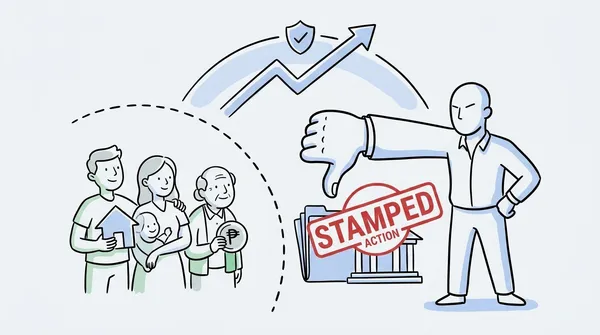
DTI Cracks Down on Substandard Steel: 100% Mandatory Testing to Protect Public Safety
"Non-compliant reinforcement bars compromise structural safety. Zero tolerance policies are enforced against manufacturers and distributors distributing uncertified construction materials."
A quality-compliance alert from the Federation of Philippine Industries (FPI) brought long-standing concerns regarding substandard steel bars back into the spotlight. The organization warned that non-compliant rebar—frequently marked with a logo nicknamed the "Kiss"—continues to enter local supply chains.
While steel regulation might sound like an industry-only topic, the quality of reinforcing steel bars (rebar) directly affects the structural safety of homes, schools, and commercial buildings across the Philippines.
THE STEEL SAFETY PIPELINE
What Happened?
Industry monitoring revealed that steel bars failing to meet national standard requirements were being distributed to local hardware suppliers and construction projects.
- The Core Issue: Rebar sold in the market lacked required mass variations, ductility, or tensile strength specified by the Bureau of Philippine Standards (BPS).
- The "Kiss" Logo: Uncertified or substandard rebar often carries unverified manufacturer markings—such as two opposing semi-circles resembling a "kiss"—used to mimic legitimate quality marks without undergoing compulsory safety testing.
- Industry Response: FPI and compliant local manufacturers called on the Department of Trade and Industry (DTI) to enforce stricter monitoring at retail outlets and construction sites.
Why Substandard Steel Matters to Ordinary Filipinos
The Philippines sits along the Pacific Ring of Fire and experiences over 20 typhoons annually. Steel rebar acts as the hidden skeleton of any concrete structure. When reinforced concrete relies on brittle or undersized steel, the building loses its ability to withstand severe stress.
What Headlines Don't Explain: Reading the Markings
News reports frequently highlight the "Kiss" mark, but recognizing substandard steel involves understanding how legitimate rebar is marked under Philippine law.
Under Department Administrative Orders issued by the DTI, every steel bar sold in the country must carry clear, embossed markings indicating:
- Manufacturer’s Logo: Registered symbol of the manufacturer approved by the BPS.
- Bar Size: Numerical designation showing the nominal diameter in millimeters (e.g., 10, 12, 16, 20, 25).
- Grade Mark: Color codes or numeric markings indicating yield strength (e.g., Grade 230, Grade 275, Grade 415).
Substandard bars often feature faint, altered, or unregistered markings. In some cases, the steel is under-gauge (thinner than marked) or made from brittle scrap metal that snaps under bending stress instead of yielding safely.
How This Affects Homeowners and Small Builders
For families saving to build or repair a home, steel is often one of the largest hardware expenses.
- Low-Income Households: Families relying on informal, piece-by-piece construction are particularly vulnerable to low-cost, uncertified hardware stock.
- Small Contractors: Micro-builders purchasing from unaccredited distributors risk severe structural liability if installed steel fails during inspection or disaster.
- Disaster Resilience: Undersized steel degrades much faster in humid and coastal Philippine environments, leading to internal concrete spalling (rust expansion that cracks concrete from within).
Practical Checklist for Home Builders and Buyers
When purchasing construction materials for home improvement or rebuilding projects, consumers can protect their investments using these simple checks:
- Verify DTI Certification: Look for the mandatory Philippine Standard (PS) Quality License mark or Import Commodity Clearance (ICC) certificate at the hardware store.
- Inspect Physical Markings: Ensure every bar has clear, readable embossed markings showing the size (mm) and manufacturer logo at regular intervals.
- Avoid Unusually Cheap Rebar: Rebar priced significantly below market rate often compromises on steel weight or grade.
- Request a Mill Test Certificate: For larger construction purchases, ask the hardware supplier for the manufacturer's official test certificate corresponding to the batch.
- Conduct a Cold Bend Test: On-site, quality structural rebar should bend 180 degrees without cracking or snapping along the outer bend.
What Happens Next
Consumer watchdogs and industrial associations continue pushing for stronger market oversight:
- Increased Hardware Raids: DTI regional monitoring teams carry out unannounced audits of hardware stores to confiscate uncertified steel products.
- Stricter Import & Mill Inspections: Mandating pre-shipment testing and stricter factory compliance to catch non-standard steel before distribution.
- Public Awareness Campaigns: Educating local government unit (LGU) building officials and homebuilders on mandatory physical quality standards.
The strength of our communities depends directly on the structural integrity of the buildings we live in. Staying informed on basic material standards ensures that every peso spent on home construction contributes to long-term safety, resilience, and family security.

Power Our Mission, Shape the Future
We empower single parents, PWDs, youths, seniors, and stay-at-home parents through digital livelihood.
Help us build resilient communities.
BUKLURAN remains open to partnerships, sponsorships, and collaborative initiatives that create meaningful community impact.
Whether through funding, in-kind support, volunteerism, or shared services, your organization can help strengthen programs that serve underserved communities.
Do you want to take part in our free livelihood programs, scholarship assistance, and community resource pooling initiatives? Membership is completely free.
Join BUKLURAN!
Register, volunteer, and become a member today.