Aligning Innovation with Integrity: Navigating AI Adoption in Purpose-Led Work
Is ethical AI possible? Discover how values-based teams can navigate emerging technologies while safeguarding community trust.
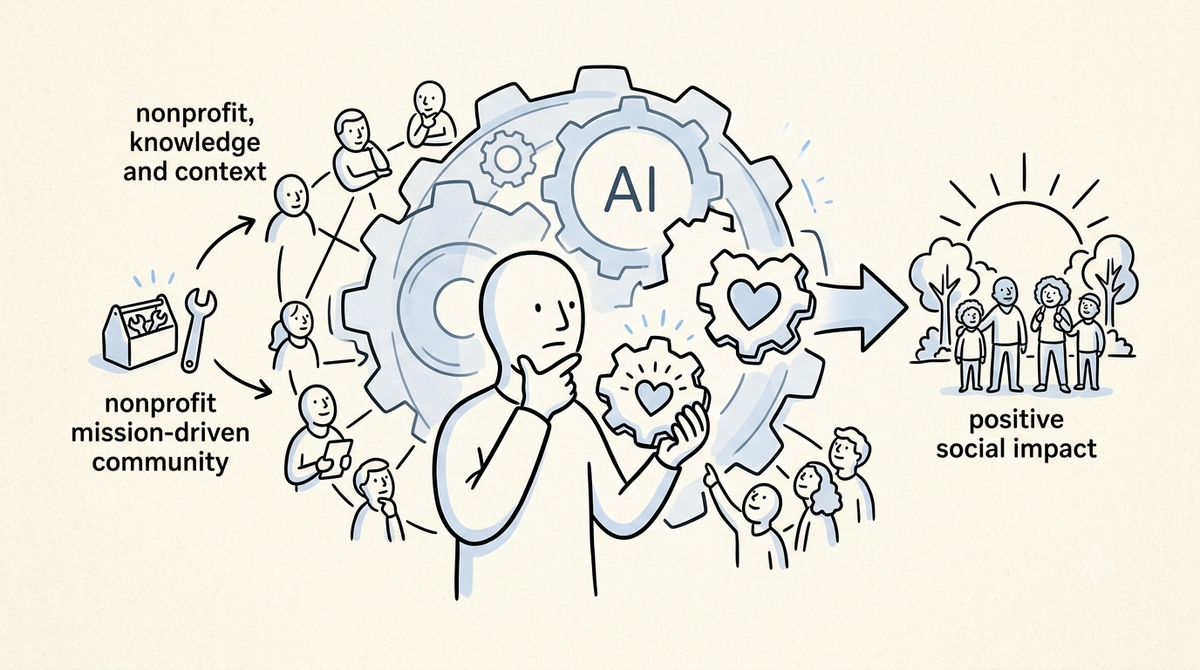
As artificial intelligence becomes widespread, mission-driven organizations face crucial decisions about how to adopt modern technology responsibly. This article explores how nonprofits can navigate the benefits and risks of AI while remaining anchored in their core values. By focusing on practical frameworks and ethical clarity, purpose-led teams can harness technology to strengthen their impact without losing community trust.
Technology rarely waits for permission to reshape the way we work. Across civil society, public institutions, and grassroots initiatives, modern tools arrive with quiet velocity—altering daily workflows long before policy frameworks or organizational strategies are fully formed. From automated drafting and data entry to sophisticated predictive software, artificial intelligence has moved from a speculative future into the immediate present.
For social purpose organizations, this rapid transition presents a unique set of questions. Unlike commercial ventures, where technology adoption is often measured solely by speed, cost reduction, or market efficiency, mission-driven groups carry a distinct responsibility. Every system implemented, every process digitized, and every data set analyzed touches real human lives—often those of vulnerable, underserved, or historically marginalized communities. When a new tool promises to save precious hours, the decision to use it is never purely technical. It is fundamentally an ethical choice.
How do values-based teams evaluate emerging technology when the tools themselves are constantly shifting? Is it possible to embrace modern efficiency without compromising on human dignity, privacy, and fairness? Navigating these choices requires moving beyond simple enthusiasm or total resistance, focusing instead on how tech can be adopted with intentionality, safety, and deep respect for the people being served.
Why This Topic Matters
The question of ethics in artificial intelligence is complex, largely because ethical standards are dynamic—evolving across cultures, eras, and contexts. Yet, while the philosophical debates surrounding machine ethics continue, one reality remains undeniable: artificial intelligence is already embedded in everyday software, search engines, and communication channels. For non-profit organizations and public service groups operating on tight budgets and stretched capacities, the temptation to adopt automated systems to streamline administration is strong.
However, unexamined adoption carries real risks. Algorithmic bias, automated decision-making errors, data privacy vulnerabilities, and the erosion of personal connection can quietly undermine the trust an organization has built over years. Conversely, absolute avoidance of technology can lead to operational bottlenecks, administrative burnout, and a growing gap between a team's potential impact and its actual reach.
For purpose-driven organizations, the challenge is not deciding whether technology exists, but determining how to maintain human-centered oversight. True organizational capacity is not built by adopting every shiny tool that emerges, nor is it protected by ignoring change. It is built by establishing clear frameworks that evaluate new technology against core organizational values—ensuring that efficiency gains directly serve human needs rather than replacing human care.
Event Objectives
To help community-focused teams and social sector leaders address these questions, a dedicated learning session titled "Is Ethical AI Possible?" was held to explore how values-based organizations can evaluate modern tools responsibly.
The primary goals of the learning session focused on:
- Understanding the Current AI Landscape: Providing context around how artificial intelligence operates, identifying its practical strengths, and recognizing its inherent risks within administrative and community-facing workflows.
- Navigating Values-Based Adoption: Exploring strategies for modernizing organizational operations while maintaining strict alignment with mission, equity, and human dignity.
- Equipping Teams with Practical Frameworks: Delivering an actionable toolkit to guide leaders, HR professionals, and program teams in assessing whether specific technology implementations are right for their unique contexts.
- Fostering Human-Centered Workplace Culture: Discussing how teams can adapt to structural technological shifts without sacrificing collaborative trust, worker well-being, or inclusion.
Key Insights and Takeaways
1. Distinguishing Capability from Suitability
A recurring insight from discussions on technology integration is that potential capability does not automatically justify implementation. Just because a tool can automate a task—such as drafting communications, summarizing community feedback, or sifting through program data—does not mean it should do so without human oversight. Modern workplaces must learn to evaluate technology through a dual lens: operational utility and mission alignment. If an automated process saves ten hours a week but introduces potential bias or creates a barrier between a team and the people they serve, the net impact on community trust is negative.
2. Equity and Governance as Prerequisites
Ethical technology use cannot be treated as an afterthought or a disclaimer attached to a software policy. It must be built into the organizational design from the start. For non-profit and public service teams, this means establishing clear governance around data privacy, consent, and transparency. When handling participant records or community insights, teams must ensure that data is stored responsibly and never fed into public models without consent. Equity demands that technology be used to remove operational barriers, rather than creating digital divides or automated filters that exclude those who need support the most.
3. The Role of Thoughtful Organizational Design
Adapting to digital shifts is fundamentally a human resource and workplace culture exercise, not just an IT upgrade. Introducing new software impacts how people collaborate, how their work is valued, and how team culture functions. Organizations that successfully navigate tech transitions prioritize clear communication, ongoing professional development, and psychologically safe environments where team members can express concerns about new systems. When staff understand why a tool is being introduced and have a voice in establishing its boundaries, technology becomes a supportive aid rather than a source of anxiety.
4. A Framework for Decision-Making
Rather than adopting an "all-or-nothing" approach to emerging technology, values-focused organizations benefit from a structured evaluation toolkit. Before integrating new digital tools, leadership and staff can ask four foundational questions:
- Purpose: What specific operational challenge does this tool solve, and does it directly support our ability to deliver our mission?
- Privacy & Safety: How does this system handle data, and are there risks to community privacy, security, or rights?
- Accountability: Is there a clear human review process for every output, decision, or document generated by this tool?
- Equity & Inclusion: Does this tool introduce bias, or does it enhance accessibility for our staff and community members?
Event Snapshot
The insights shared throughout this article were drawn from a virtual learning session designed to help mission-led organizations navigate modern workplace challenges and technology adoption.
- Event Title: Is Ethical AI Possible?
- Host Organization: TechSoup (Featuring Guest Presenters from Bright + Early)
- Target Audience: Beneficiaries and organizational leaders focused on Organizational Development
- Date: July 21, 2026
- Platform: Virtual (Cloud)
The session brought together workplace design experts and non-profit advocates to demystify complex technological shifts, offering practical, human-centered strategies for teams seeking to balance digital readiness with organizational values.
From Learning to Community Impact
In the social sector, internal capacity directly dictates external impact. When an organization strengthens its operational backbone—whether through clearer policies, better financial stewardship, or thoughtful technology governance—the ultimate beneficiary is always the community it serves.
At BUKLURAN, capacity building and knowledge sharing are central to fostering resilient, self-reliant communities. Programs designed to support grassroots enterprise, education, and digital readiness rely on accurate information, ethical stewardship, and responsible management. For instance, initiatives under the BUKLURAN Bagong Simula program focus on building digital literacy and online safety for youth and adults, ensuring that community members are equipped to navigate modern digital spaces responsibly. Similarly, the BUKLURAN Kasanayan Learning Program emphasizes practical, output-based training that empowers individuals with applied skills for personal and economic growth.
┌─────────────────────────────────────────────────────────────────────────┐
│                      CAPACITY TO COMMUNITY IMPACT                       │
├─────────────────────────┬───────────────────────┬───────────────────────┤
│    INSTITUTIONAL        │     ORGANIZATIONAL    │       COMMUNITY       │
│     LEARNING            │       READINESS       │        BENEFIT        │
├─────────────────────────┼───────────────────────┼───────────────────────┤
│ • Evaluating tools      │ • Ethical digital     │ • Protected community │
│   responsibly           │   governance          │   data and trust      │
│ • Building values-based │ • Efficient administrative│ • Responsive, human-  │
│   workplace policies    │   workflows           │   centered service    │
│ • Ongoing skills        │ • Clear human-led     │ • Sustainable local   │
│   development           │   oversight           │   empowerment         │
└─────────────────────────┴───────────────────────┴───────────────────────┘
When civil society organizations engage in continuous professional development, they safeguard community trust. Learning how to evaluate technology ethically ensures that non-profits use their resources wisely, protect sensitive participant data, and maintain authentic, human-centered relationships with the single parents, seniors, persons with disabilities, and youth who rely on their programs. Strong internal systems are not an end in themselves; they are the framework that allows meaningful community service to endure.
Looking Ahead
As digital tools continue to evolve, the distinction between organizations that merely adopt technology and those that lead with vision will lie in ethical clarity. Modernizing public service and community advocacy does not mean accepting every trend uncritically. It means cultivating the organizational wisdom needed to adopt what helps people and discard what diminishes them.
Ongoing learning is essential for healthy, adaptive organizations. By creating space for reflection, testing ideas against core principles, and prioritizing human dignity in every policy, purpose-driven leaders can navigate technological change with confidence. Responsible leadership requires constant curiosity grounded in steady principles—ensuring that no matter how advanced our tools become, our focus remains firmly on the well-being of our communities.
Join the Conversation
Every meaningful change begins with learning, reflection, and open dialogue. As communities and purpose-driven organizations navigate new technological landscapes, sharing knowledge and practical experiences remains one of our most effective ways to build collective resilience.
We invite advocates, educators, public servants, and community leaders to reflect on how their own teams evaluate modern tools and workplace systems. How is your organization approaching digital transition while keeping human values at the center? We encourage you to continue exploring these crucial questions, exchange ideas with your peers, and contribute to a thoughtful, community-first approach to modern service.
Is Ethical AI Possible?
July 21, 2026
Virtual
Organizational Development

This initiative was independently funded by the BUKLURAN Officers through personal contributions.
We gratefully acknowledge the groups and individuals who shared resources, services, venues, supplies, and other forms of community support.
• TechSoup
BUKLURAN remains open to partnerships, sponsorships, and collaborative initiatives that create meaningful community impact.
Whether through funding, in-kind support, volunteerism, or shared services, your organization can help strengthen programs that serve underserved communities.