Behind the Smoke: Why Smuggling is a Neighborhood Problem
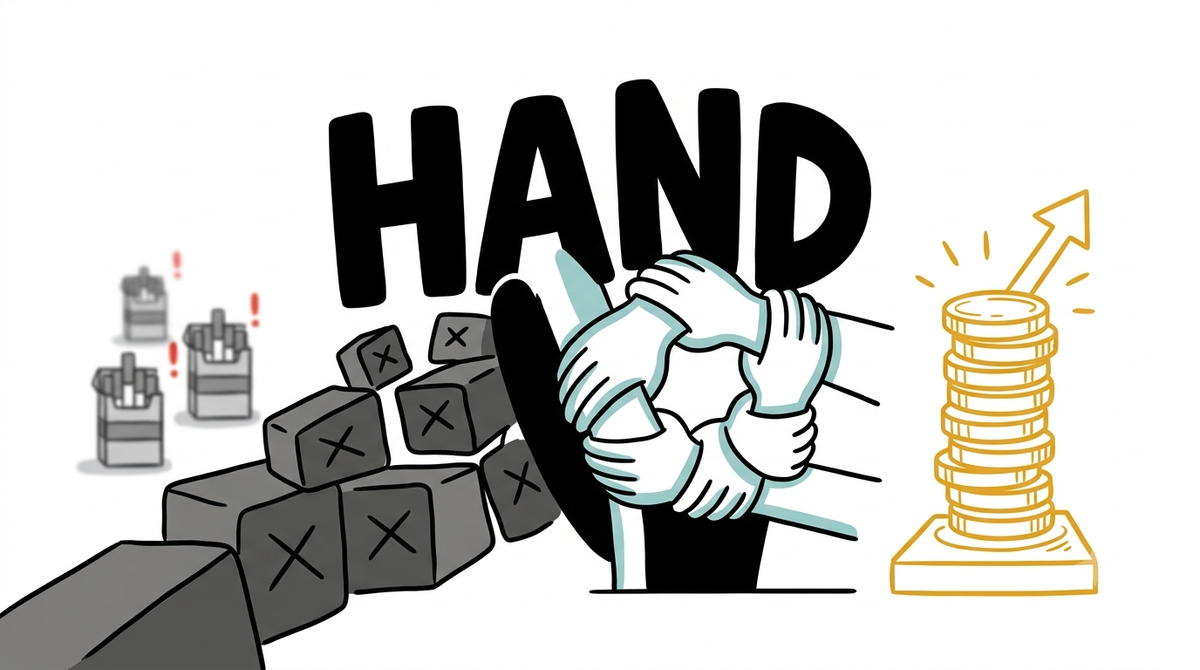
The regional fight against illicit tobacco trade is not just a corporate or government battle, but a critical effort to reclaim massive public revenues that should fund healthcare, education, and community safety for ordinary families.
Walk into any small community sari-sari store or glance at a makeshift street vendor's display, and you might notice packs of cigarettes selling for a fraction of the usual price. They often lack the familiar government tax stamps, or feature health warnings in languages few in the neighborhood can read. For a worker trying to stretch a tight daily budget, or a small vendor trying to keep their micro-retail shop afloat, these cheap alternatives can seem like a harmless financial relief valve in difficult times.
But out of sight, these small, everyday transactions are the final links in a massive, invisible network. The illicit tobacco trade across Southeast Asia has transformed from scattered, small-scale contraband operations into highly sophisticated, multi-billion-dollar black markets. Recent regional estimates indicate that ASEAN governments lose approximately $12.6 billion annually in uncollected revenues due to illegal tobacco sales.
With the Philippines stepping into the ASEAN chairmanship this year, policymakers and economic analysts are calling for a unified regional front to combat this cross-border issue. Yet, when numbers as massive as billions of dollars are thrown around in international summits, the conversation quickly starts to feel abstract, distant, and disconnected from ordinary life. It sounds like a corporate problem, or a specialized headache for customs officials and tax collectors.
To understand why this matters to an ordinary Filipino, we have to look past the macroeconomics and ask a fundamental question: where does that missing money actually come from, and whose pockets does it ultimately leave?
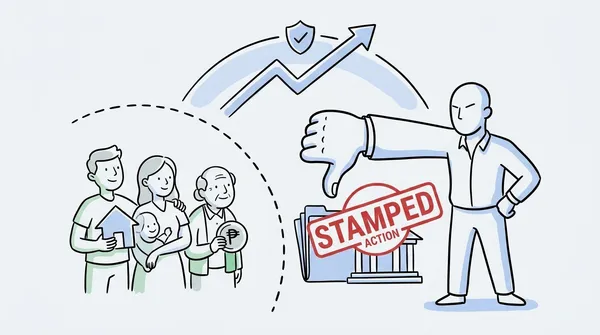
When a government loses billions in potential revenue to smuggling networks, that deficit does not simply vanish into thin air. It creates a massive shortfall in the public funds meant to build and sustain a society. In the Philippines, sin taxes levied on tobacco products are legally earmarked for critical social programs—most notably, the Universal Health Care program and the PhilHealth coverage that millions of low-income families rely on during medical emergencies.
Every time an illegal shipment slips through a port undetected, the funds available to upgrade provincial hospitals, stock rural health units with essential medicines, or subsidize the treatment of chronic illnesses shrink. The true cost of a cheap, untaxed pack of cigarettes is paid for later, by an ordinary family standing in a long line at a public hospital, wondering why the free medicines have run out.
Furthermore, when public revenues collapse because of a thriving black market, governments are frequently forced to find alternative ways to balance their budgets. This often manifests as higher indirect taxes on other everyday goods and services, or cuts to local infrastructure and community development projects. The burden is effectively shifted from the illegal syndicates onto the shoulders of law-abiding citizens and legitimate small businesses.
Beyond the balance sheets, a thriving illicit trade poses direct risks to public safety and neighborhood stability. Legitimate products are subject to strict regulatory oversight, quality controls, and health standards. Illicit tobacco products, manufactured in unregulated, hidden facilities, completely bypass these safety checks. Lab analyses of confiscated contraband have occasionally revealed highly hazardous contaminants, ranging from mold and insect infestations to toxic chemicals, exposing unsuspecting consumers to even greater health risks than those inherent to standard tobacco products.
There is also a deeper livelihood anxiety for the thousands of Filipino agricultural workers and farmers who depend on legitimate tobacco farming crop cycles. When the domestic market is flooded with dirt-cheap, smuggled alternatives, the demand for locally grown crops plummets. This directly hits the incomes of farming households in provinces like Ilocos and La Union, driving vulnerable rural families further into financial insecurity.
Simultaneously, the vast profits generated by these underground networks do not stay isolated within tobacco. Historically, international smuggling syndicates use their illicit revenues to finance other, more dangerous criminal enterprises that directly threaten local peace and order, including human trafficking, drug distribution, and localized corruption that weakens community governance.
This complex web of economic loss and community vulnerability reflects exactly why grass-roots awareness and localized vigilance matter so deeply. While international border controls and high-level ASEAN treaties form the primary defense against global syndicates, the resilience of a community against the creeping influence of black-market trades ultimately depends on local awareness, strong consumer literacy, and the protection of local livelihoods. True public safety and economic stability are built from the ground up, ensuring that neighborhoods have the social safety nets and educational foundations necessary to resist the short-term temptations of unregulated economies.
As discussions surrounding the ASEAN chairmanship progress, the focus must remain squarely on the human element. The fight against illicit trade cannot just be about protecting corporate market shares or hitting abstract tax collection targets. It must be framed as a collective effort to defend the public funds that educate our children, heal our sick, and secure our streets.
The next time we witness the sale of unverified, dirt-cheap contraband in our neighborhoods, it is worth looking beyond the immediate discount. It invites a deeper reflection on how our local choices are connected to a much larger regional ecosystem, and how safeguarding our public resources today directly shapes the safety and well-being of our communities tomorrow.
Lahat tayo gustong makatipid, lalo na sa hirap ng buhay ngayon. Pero alam ba natin ang totoong kapalit ng mga murang produkto na nakakalusot sa merkado nang walang buwis? Ang akala nating bawas-gastos ngayon, baka kulang na gamot at pasilidad sa mga ospital bukas ang kabayaran. Bakit nga ba ang bilyun-bilyong nawawala sa smuggling ay hindi lang problema ng gobyerno, kundi direktang pamilyang Pilipino ang umaaray?

Power Our Mission, Shape the Future
We empower single parents, PWDs, youths, seniors, and stay-at-home parents through digital livelihood.
Help us build resilient communities.
BUKLURAN remains open to partnerships, sponsorships, and collaborative initiatives that create meaningful community impact.
Whether through funding, in-kind support, volunteerism, or shared services, your organization can help strengthen programs that serve underserved communities.
Do you want to take part in our free livelihood programs, scholarship assistance, and community resource pooling initiatives? Membership is completely free.
Join BUKLURAN!
Register, volunteer, and become a member today.