Beyond Big Malls and Big Names: What the Country's Biggest Retail Summit Means for Ordinary Filipino Families
Big shifts in Philippine retail affect neighborhood prices, local jobs, and how families spend everyday. Here is what to know.
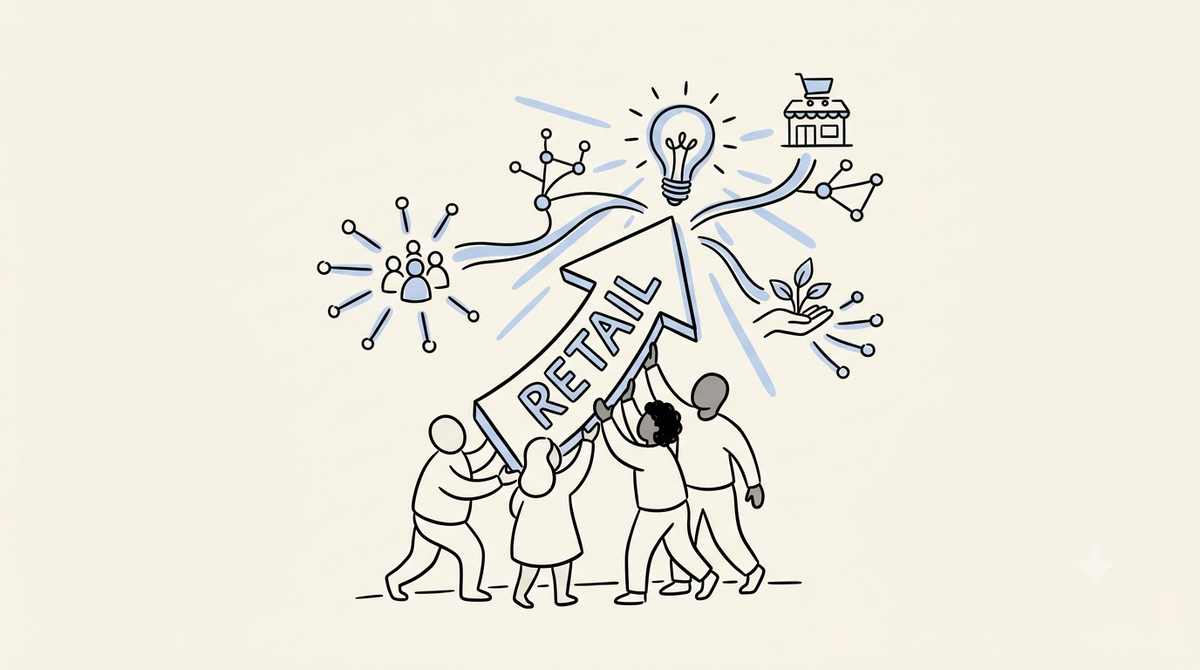
As retail titans gather to discuss technology and supply chain shifts, the real impact lands directly on ordinary Filipino households, sari-sari stores, and local job seekers.
Introduction
When big business news breaks about major corporate conventions and industry anniversaries, it is easy for ordinary citizens to feel like the discussion belongs in high-rise boardrooms far removed from daily reality. Announcements full of corporate terms like "supply chain optimization," "AI adoption," and "regional expansion" rarely sound like something that affects what you pay for rice, cooking oil, or school supplies at the corner store.
However, the retail sector is the engine that moves goods from farms and factories into every Filipino home. When the country’s biggest retail leaders gather to change how they stock shelves and run stores, the ripple effects eventually reach every kitchen table, public market, and sari-sari store in the community. Understanding these corporate shifts helps ordinary families and small business owners prepare for what lies ahead.
What Happened
The Philippine Retailers Association (PRA) is holding its 32nd National Retail Conference and Expo (NRCE) at the SMX Convention Center Manila in August 2026, marking its 50th golden anniversary. The event brings together prominent international and local industry leaders—including V.P. Sharma of Indonesia’s MAP Group, Joseph Phi of global supply chain firm Li & Fung, Teresita Sy-Coson of SM Investments Corporation, and Steven Tan of SM Supermalls.
The summit focuses on how large retail businesses can adopt artificial intelligence, overhaul global supply networks, and respond to changing consumer behaviors in a fast-evolving regional market.
Why This Matters
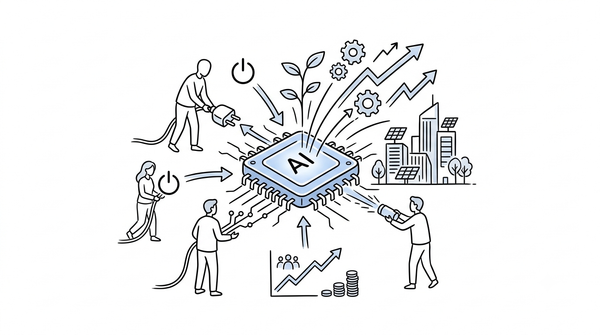
Retail is not just about mega-malls; it is the ultimate link between products and people. When major retail corporations invest heavily in artificial intelligence and streamlined supply logistics, they reshape the entire commercial landscape of the country.
When large chains optimize how they buy and move inventory, two things happen:
- Cost Efficiency for Big Brands: Large supermarkets cut operational waste, allowing them to stabilize prices or offer aggressive discounts that smaller merchants struggle to match.
- Pressure on Small Merchants: Neighborhood micro-enterprises that rely on traditional wholesale buying face narrower profit margins if they cannot modernize their own inventory habits.
For ordinary consumers, these industry trends determine how far a family budget can stretch and how accessible essential everyday items will be during economic shifts.
What the Headlines Don't Explain
While news reports focus on high-level speakers and executive strategies, several key realities directly touch local communities:
1. The Direct Link Between Supply Chains and Kitchen Tables
When supply chain leaders talk about "AI-driven inventory tracking," what it actually means for a household is fewer stock shortages and more predictable prices. When a major distributor suffers delays or inefficiencies, food and household items become expensive quickly. Smoother logistics at the top mean fewer sudden price spikes at the shelf level.
2. A Widening Tech Gap for Neighborhood Micro-Retailers
Sari-sari stores and micro-distributors remain the backbone of barangay commerce. As major retail chains use advanced data tools to order goods instantly, small store owners who rely purely on paper records and cash payments risk facing stock delivery delays or buying wholesale goods at higher prices than necessary.
3. The Changing Nature of Retail Jobs
Retail is one of the largest employers in the Philippines. As automation, automated checkout systems, and digital inventory systems take root, entry-level job requirements are shifting. Job seekers and young workers need basic digital skills alongside traditional customer service abilities to remain competitive in the modern workforce.
4. Cashless Convenience Versus Cash-Reliant Cash Flow
Modern retail trends heavily favor digital payments and app-based loyalty perks. However, many low-income households and senior citizens still depend entirely on physical cash. When retail perks and discounts shift exclusively to digital platforms, cash-reliant consumers risk missing out on savings.
5. Shift Toward Bulk and Budget-Conscious Buying
In response to inflation, large retailers are reorganizing product packaging—offering either micro-packs (sachet economy) or large bulk bundles. Understanding these packaging strategies helps households calculate whether small frequent purchases or group buying yields true savings.
How This Could Affect Ordinary Filipinos
Changes in retail systems influence daily household decisions and local livelihoods in very direct ways:
Real-World Example: Consider a family running a small sari-sari store in a residential barangay. When large retail distributors update their logistics apps, stores that learn to use digital wholesale ordering can secure products faster and at better prices. Those who rely solely on manual trips to crowded wholesale markets lose precious working hours and pay higher transport costs.
For wage earners, understanding industry trends highlights where stable employment opportunities are growing. Warehousing, logistics management, e-commerce support, and digital inventory tracking are becoming just as vital as floor sales staff.
Impact on Vulnerable Communities
Different groups within our neighborhoods experience these retail transformations in distinct ways:
- Low-Income Families: As large stores push digital deals, low-income households without reliable internet access or electronic payment accounts risk paying higher retail prices for daily items.
- Seniors and Persons with Disabilities (PWDs): The transition toward automated store layouts and digital-only promotions can create accessibility hurdles unless physical stores maintain clear, accessible navigation and patient, human-led service counter options.
- Youth and Job Seekers: Young community members entering the workforce must adapt to tech-enabled workplaces. Basic digital literacy—such as navigating store inventory software or smartphone-based order systems—is quickly becoming a baseline requirement rather than an optional skill.
- Stay-at-Home Parents and Caregivers: Managing household budgets requires sharper price comparison. Learning how major stores cycle their inventory sales enables families to plan grocery runs more efficiently.
Practical Takeaways
Rather than remaining passive observers of corporate shifts, community members can take concrete steps to protect and improve their financial well-being:
- For Micro-Entrepreneurs and Store Owners: Explore basic, free digital tools to track store sales and inventory. Joining local merchant groups or participating in community digital literacy workshops—such as those offered under BUKLURAN’s Bagong Simula Learning Program and Digital Literacy Initiatives—can help small business owners learn how to navigate basic digital finance tools safely.
- For Families and Budget Managers: Practice smart shopping habits. Calculate the unit price of items (price per gram or milliliter) rather than relying solely on package labels, especially when choosing between sachets and bulk items. Building financial awareness helps stretch every hard-earned peso.
- For Young Job Seekers: Upskill early. Take advantage of community-based learning programs to gain basic computer proficiency, data entry skills, and familiarization with online tools that modern retail and service employers look for on resumes.
- For Barangay Leaders and Community Advocates: Ensure non-digital options remain accessible in local community markets so that elderly residents and cash-dependent families are not excluded from accessing affordable basic necessities.
Looking Ahead
As the Philippine retail industry marks five decades of growth and prepares for an increasingly digital future, the divide between high-tech retail networks and grassroots community commerce does not have to widen. When ordinary Filipinos, local entrepreneurs, and community organizations understand where the economy is headed, they can adapt proactively.
Equipping neighborhood store owners with practical business knowledge and helping workers build relevant digital skills ensures that economic growth benefits the entire community, not just corporate headquarters.
A retail summit at SMX Manila may seem distant from everyday barangay life, but the systems discussed there shape the prices on store shelves and the skills required for local jobs. By looking past corporate headlines and focusing on practical community implications, ordinary Filipinos can make smarter financial decisions, strengthen small family businesses, and build a more resilient future.

Power Our Mission, Shape the Future
We empower single parents, PWDs, youths, seniors, and stay-at-home parents through digital livelihood.
Help us build resilient communities.
BUKLURAN remains open to partnerships, sponsorships, and collaborative initiatives that create meaningful community impact.
Whether through funding, in-kind support, volunteerism, or shared services, your organization can help strengthen programs that serve underserved communities.
Do you want to take part in our free livelihood programs, scholarship assistance, and community resource pooling initiatives? Membership is completely free.
Join BUKLURAN!
Register, volunteer, and become a member today.