Beyond Code: What Iligan City’s Push for AI Fluency Means for Filipino Students and Communities
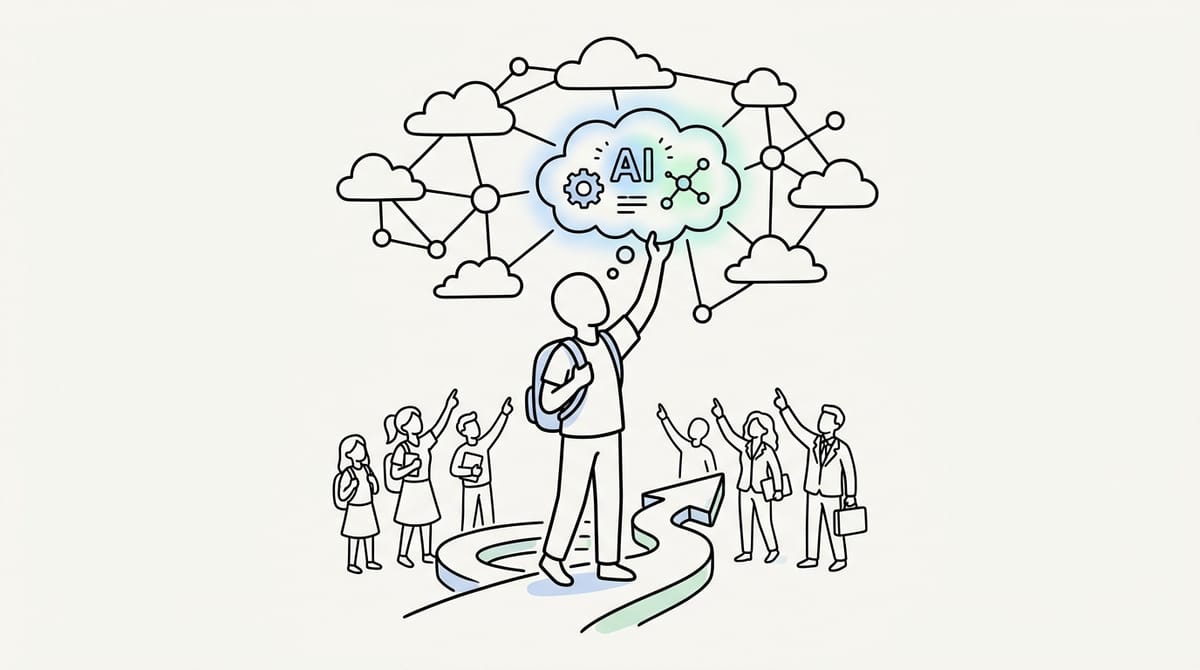
Students, educators, and tech leaders recently gathered in Iligan City for a two-day AI fluency masterclass and hackathon under the DEVCON AI Angat Mindanao Caravan. Beyond teaching advanced coding, the movement emphasizes turning AI tools into practical local solutions—from robotics in elementary schools to community problem-solving in college. This article breaks down what AI fluency means for ordinary Filipino students, workers, and local communities outside major metro hubs.
Students, young professionals, and local tech leaders recently gathered at the Mindanao State University-Iligan Institute of Technology (MSU-IIT) for the NEXUS AI Fluency Masterclass and Hackathon. The initiative, organized by DEVCON Philippines and DEVCON Iligan under the "DEVCON AI Angat Mindanao Caravan," aimed to prepare local talent to solve real-world problems using artificial intelligence (AI).
While tech events often sound abstract, this movement represents a practical shift in how digital tools are introduced to Philippine communities outside major metropolitan hubs.
Iligan City AI & Robotics Capacity Building Movement
DEVCON Philippines and local partners conduct hands-on AI summits and robotics workshops to move students and educators from tech consumers to local solution creators.
"It's important to go beyond being a consumer. We also have to become creators of AI solutions and AI technologies... build for what you see around you right here in Iligan or Region 10."
— Winston Damarillo, DEVCON Philippines Founder & President
What Happened in Iligan City?
The two-day masterclass and hackathon brought together 60 college students and tech enthusiasts to build functional applications targeting local community challenges. Rather than focusing purely on theoretical concepts, the organizers provided free learning modules, microcontrollers, and mentorship.
The movement extended beyond higher education:
- Elementary and High School Exposure: DEVCON Kids conducted robotics workshops for 60 elementary students and 120 public school teachers at Tabunan Elementary School in Barangay Kabacsanan, Iligan City.
- Multidisciplinary Access: Training was opened across all academic disciplines, including social sciences, humanities, and education—not just computer science majors.
- Institutional Backing: Local government units, through the Center for Digital Iligan Innovation and Sustainability (CDIIS), and regional offices like the Department of Science and Technology (DOST-10) highlighted how local ideas can transition into viable technology startups.
Why This Matters to Ordinary Filipino Households
For many families, artificial intelligence is associated with automated chat applications or online image generators. However, the push for AI fluency—the ability to understand, evaluate, and direct AI tools effectively—signals a broader transition in education and job readiness.
1. From Passive Users to Creators
Most Filipinos interact with technology as consumers through social media, video streaming, or messaging apps. AI fluency shifts the focus toward creating solutions. When local students learn to build software that addresses agricultural logistics, local traffic management, or public service inquiries, technology becomes a tool for community development.
2. Equalizing Regional Opportunities
High-paying tech training is often concentrated in Metro Manila or major urban centers. Bringing hardware, training modules, and free mentorship directly to provinces in Mindanao helps ensure that provincial youth can compete in global and local job markets without needing to relocate immediately.
3. Human Accountability Remains Essential
As student participants at the event noted, using AI effectively requires human oversight. Learning to write prompts or generate code is only half the task; understanding ethical limits, verifying information, and taking responsibility for technological outcomes remain uniquely human tasks.
What the Headlines Don't Explain
News coverage of artificial intelligence often focuses on corporate breakthroughs or automated workforce displacement. What receives less attention is how basic technology access shapes local community resilience.
AI Literacy Progression
To understand the broader picture, consider these important contexts:
- Interoperability with Basic Needs: Advanced tech programs require steady electricity, stable internet connectivity, and working hardware. For rural schools like Tabunan Elementary, bringing microcontrollers and robotics modules exposes students to tools that their standard classroom setup may lack.
- Non-Tech Careers Need Tech Skills: AI tools are increasingly embedded in graphic design, teaching, administrative support, customer service, and writing. Students outside engineering departments need basic exposure so they are not left behind when entering traditional workplaces.
- Economic Security: As routine tasks become automated, workers who understand how to use digital tools productively maintain an advantage in freelancing, remote work, and local entrepreneurship.
How This Could Affect Different Sectors
What People Should Keep in Mind
- AI is a Tool, Not a Replacement for Foundation Skills: Automated tools cannot replace critical thinking, reading comprehension, or basic mathematics. Students still need strong foundational skills to prompt and evaluate digital systems correctly.
- Free Public Initiatives Exist: Organizations like DEVCON and local government digital centers often offer free upskilling programs. Families do not always need to pay expensive tuition for basic tech exposure.
- Fact-Checking is Crucial: AI models can produce incorrect or misleading information. Community members must double-check AI-generated text, particularly for health, financial, or legal matters.
Practical Takeaways for Families and Learners
- Explore Free Digital Literacy Programs: Look out for free community workshops hosted by local universities, public libraries, or non-profit tech groups.
- Encourage Safe Digital Curiosity: Help young learners view smartphones and computers as tools for creation—such as basic coding, digital art, or writing—rather than solely entertainment devices.
- Focus on Problem-Solving: If a student wants to learn technology, encourage them to start by identifying a small daily problem in their household or neighborhood that a simple program could help track or solve.
Looking Ahead
As regional tech caravans expand across Mindanao, Visayas, and Luzon, the primary challenge will be sustaining interest after initial workshops end. Long-term success relies on local government support, active university incubators, and reliable digital infrastructure in rural public schools.
Building an "AI-ready nation" requires ensuring that digital literacy reaches every barangay, giving every Filipino student the chance to learn, build, and contribute to their community's future.

Power Our Mission, Shape the Future
We empower single parents, PWDs, youths, seniors, and stay-at-home parents through digital livelihood.
Help us build resilient communities.
BUKLURAN remains open to partnerships, sponsorships, and collaborative initiatives that create meaningful community impact.
Whether through funding, in-kind support, volunteerism, or shared services, your organization can help strengthen programs that serve underserved communities.
Do you want to take part in our free livelihood programs, scholarship assistance, and community resource pooling initiatives? Membership is completely free.
Join BUKLURAN!
Register, volunteer, and become a member today.