How Disaster Relief Investments Rebuild Local Communities
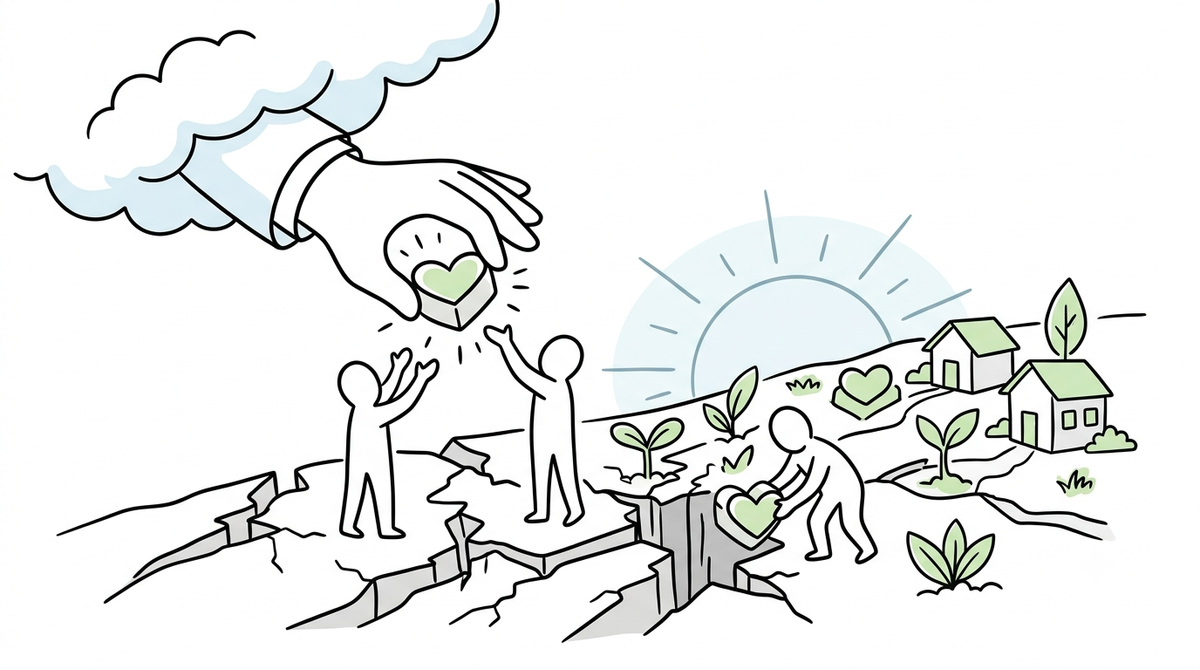
Nissan Philippines' support for the Philippine Red Cross and Angat Buhay Foundation enhances regional relief logistics and safeguards vulnerable Mindanao households recovering from the June 2026 earthquake.
Introduction
When a disaster strikes, public attention naturally focuses on immediate donation figures and news headlines. However, long-term disaster recovery depends heavily on what happens weeks and months after the initial shock waves pass. The recent June 2026 earthquake in Mindanao left thousands of families rebuilding their lives amidst disrupted local economies and damaged infrastructure.
While news reports highlight corporate donations to organizations like the Philippine Red Cross and Angat Buhay Foundation, understanding how these contributions translate into daily stability for ordinary Filipinos requires a closer look at local supply chains, household budgets, and community resilience.
What Happened
Nissan Philippines, Inc. (NPI) extended financial and operational assistance to support ongoing humanitarian and disaster response initiatives led by the Philippine Red Cross and the Angat Buhay Foundation. These contributions directly fund aid drives, emergency assistance, and community recovery efforts for families affected by the June 2026 Mindanao earthquake.
+---------------------+      +-----------------------------+      +-------------------------------+
|  Nissan Philippines | ---> | Philippine Red Cross &      | ---> | Disaster-Affected Communities |
|  Corporate Support  |      | Angat Buhay Foundation      |      | in Mindanao                   |
+---------------------+      +-----------------------------+      +-------------------------------+
Why This Matters
For ordinary Filipinos, a natural disaster is not just a temporary emergency; it is an economic crisis. When local logistics break down, prices for basic commodities like rice, clean water, and fuel spike rapidly. Corporate contributions to major humanitarian platforms do more than buy relief goods; they absorb logistical overheads—such as fuel, transport, and warehousing—ensuring aid reaches ground zero without draining the resources of local government units or relief agencies.
What the Headlines Don't Explain
Standard news reports often focus on corporate social responsibility (CSR) announcements. What is missing from these headlines is the strategic mechanism of resource distribution:
- Logistical Continuity: Financial support enables aid agencies to maintain active supply lines across damaged roads, ensuring continuous delivery of food and medical supplies.
- Resource Pooling at Scale: Coordinated relief efforts prevent local aid overlap, directing resources efficiently to underserved communities.
- Protection Against High-Interest Debt: Immediate material support shields affected families from taking out high-interest informal loans to buy basic necessities immediately after a disaster.
How This Could Affect Ordinary Filipinos
Disasters destabilize household micro-economies. When a home is damaged, or local work is disrupted, a family’s daily income goes entirely toward immediate survival.
Through structured community initiatives, such as resource-pooling networks or cooperative purchasing models like the BUKLURAN HUB, neighborhood centers can leverage institutional aid to stabilize local prices for essential goods. When external relief covers immediate emergency needs, community-level programs can pivot to long-term livelihood support and micro-enterprise recovery without starting from zero.
Impact on Vulnerable Sectors
| Vulnerable Sector | Primary Challenge Post-Disaster | How Coordinated Relief Assists | Long-Term Community Safeguard |
| Low-Income Families | Price inflation on basic goods | Direct distribution of food and shelter kits | Community-based bulk sourcing |
| Single Parents | Dual burden of childcare & income loss | Targeted relief packs and family care kits | Educational support programs (e.g., BUKLURAN Pabaon Program) |
| Senior Citizens & PWDs | Limited mobility to access relief centers | Home delivery of medical and hygiene supplies | Local health & care outreach (Lingap Komunidad Program) |
| Youth & Students | Disrupted schooling and lack of materials | Provision of learning kits and school supplies | Digital literacy and skills tracks (Bagong Simula) |
Practical Takeaways
- Prepare Family Emergency Funds: Treat disaster readiness as an ongoing practice. Small, regular savings or participation in local resource-pooling initiatives help build household buffers before crises occur.
- Engage with Local Civic Groups: Knowing which organized non-profits operate in your barangay ensures faster assistance during emergency relief operations.
- Utilize Digital and Community Networks: Stay informed about verified local aid distributions through community tools, ensuring fair access without relying on unverified rumors.
Looking Ahead
As disaster response shifts from immediate relief to long-term rehabilitation, the focus must move toward sustainable community empowerment. Relief packages ease short-term suffering, but sustainable recovery requires educational continuity for children, digital and financial literacy for adults, and cooperative livelihood frameworks that allow neighborhoods to rebuild their local economies together.
Disaster relief is most effective when corporate support, institutional capacity, and grassroots community organization work in unison. When organizations step up to support major aid platforms, ordinary Filipinos gain the breathing room needed to move past emergency survival and begin rebuilding resilient, self-sustaining communities.

Power Our Mission, Shape the Future
We empower single parents, PWDs, youths, seniors, and stay-at-home parents through digital livelihood.
Help us build resilient communities.
BUKLURAN remains open to partnerships, sponsorships, and collaborative initiatives that create meaningful community impact.
Whether through funding, in-kind support, volunteerism, or shared services, your organization can help strengthen programs that serve underserved communities.
Do you want to take part in our free livelihood programs, scholarship assistance, and community resource pooling initiatives? Membership is completely free.
Join BUKLURAN!
Register, volunteer, and become a member today.