What Growing Health Insurance Demand Means for Your Family's Pocket
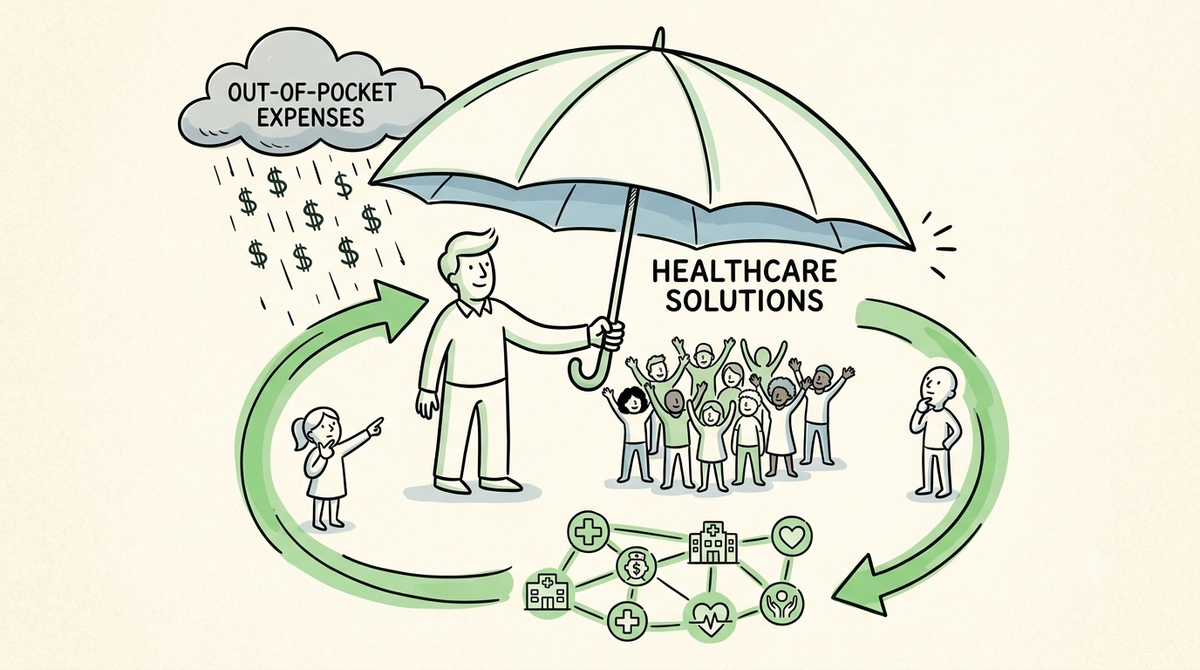
MediCard's planned expansion reflects a growing demand for health insurance, highlighting the urgent need for ordinary Filipinos to bridge the gap between basic public coverage and rising out-of-pocket medical expenses.
When a major Health Maintenance Organization (HMO) like MediCard Philippines announces plans to expand due to rising demand, business reports frame it as corporate growth. But behind the boardroom numbers lies a harsher reality for ordinary Filipino households: getting sick in the Philippines is becoming increasingly expensive, and public coverage often falls short when serious illnesses strike.
Understanding why private health coverage is surging helps explain how healthcare costs impact daily household budgets and what steps families can take to protect themselves from sudden medical debt.
What Happened
MediCard Philippines recently signaled strong optimism for expansion, driven by a post-pandemic surge in Filipinos seeking private health insurance. To reach more people, the company plans to introduce "embedded insurance"—bundling micro-health policies into everyday purchases, app services, or financial transactions—while leveraging digital platforms to streamline claims and enrollments.
The primary goal is to target the large segment of the population that remains either completely uninsured or underinsured, struggling with high out-of-pocket medical bills.
Why This Matters
While PhilHealth provides a fundamental safety net, it rarely covers the entire cost of hospitalization, specialized procedures, or long-term prescription medications.
Typical Medical Cost Gap:
[ Total Hospital Bill ] - [ PhilHealth Coverage ] = Out-of-Pocket Expense (Your Family Budget)
When unexpected health emergencies happen, families without supplemental coverage often rely on high-interest loans, sell assets, or depend on local government assistance. The growing demand for private HMOs reflects a broad shift: Filipinos are searching for ways to shield their savings from unpredictable health crises.
What the Headlines Don't Explain
Commercial news focuses on corporate market share and product launches. However, several critical realities shape how these corporate moves actually play out in everyday life:
- Embedded Insurance Offers Bite-Sized Protection: Micro-policies attached to digital purchases make entry-level coverage cheaper, but they usually come with strict benefit caps and specific usage conditions.
- Preventive Care Saves More Than Insurance Claims: Having coverage helps pay for treatment, but basic health education and lifestyle adjustments lower medical bills far more effectively.
- Digital Access Has Limitations: App-based enrollment and claims processes favor tech-savvy users, leaving digitally marginalized communities behind unless accompanied by local support.
- Coverage Does Not Equal Access: Owning an insurance policy only helps if there are partner clinics, accredited doctors, and functioning facilities nearby.
- Out-of-Pocket Costs Extend Beyond Hospital Bills: Transportation, lost daily wages, and recovery care often strain family finances just as much as medical fees.
How This Could Affect Ordinary Filipinos
For Low-Income Families and Daily Wage Earners
Traditional HMO plans with annual premiums costing tens of thousands of pesos remain out of reach for daily wage earners. The shift toward embedded or micro-insurance products may offer a low-cost entry point—such as paying a small fee per month via a mobile wallet for basic accident or confinement coverage. While these micro-plans won't cover major surgeries, they can soften the blow of lost income during minor hospital stays.
For Workers and Freelancers
Gig workers, ride-hailing drivers, and informal sector workers usually lack company-provided health benefits. The push toward digital-first healthcare coverage allows self-employed individuals to purchase individual or family plans directly through mobile apps, eliminating complex paperwork and traditional broker fees.
For Seniors and PWDs
Older family members and Persons with Disabilities (PWDs) often face high premium rates or exclusions due to pre-existing conditions. While private HMOs expansion targets broader demographics, families caring for seniors must carefully evaluate whether low-cost plans cover ongoing maintenance medications or pre-existing illnesses.
Practical Takeaways: Protecting Your Family's Health and Finances
Knowing that healthcare costs are rising, ordinary households can take concrete steps to prepare:
| Focus Area | Actionable Steps |
| Audit Current Protections | Check what PhilHealth covers for your household, and verify if your employer's health plan extends to your dependents. |
| Read Micro-Policy Terms | If opting for affordable embedded or app-based health coverage, carefully review what conditions qualify for claims and what maximum limits apply. |
| Build an Emergency Medical Fund | Set aside even small, regular savings dedicated solely to health expenses to cover the gap between insurance payments and actual hospital bills. |
| Leverage Community Resources | Participate in local health awareness programs, free barangay health check-ups, and community educational sessions to stay proactive about preventive health care. |
Looking Ahead
As private health providers digitize and introduce accessible micro-products, the gap between public healthcare and private coverage may gradually narrow. However, commercial products are only one piece of the puzzle. True health security for Filipino families requires a combination of adequate insurance options, basic financial literacy, accessible community clinics, and strong preventive health education at the grassroots level.
Through initiatives like Financial Awareness Programs and Community Learning Programs, local civic efforts play an important role in helping families make informed decisions about managing household budgets, navigating health insurance options, and building long-term financial resilience.
A growing health insurance market is more than a business trend—it is a clear sign that health security is a top priority for Filipino households. By understanding how insurance products work, evaluating true medical costs, and taking proactive steps toward preventive care, families can better protect both their well-being and their hard-earned savings.
Power Our Mission, Shape the Future
We empower single parents, PWDs, youths, seniors, and stay-at-home parents through digital livelihood.
Help us build resilient communities.
BUKLURAN remains open to partnerships, sponsorships, and collaborative initiatives that create meaningful community impact.
Whether through funding, in-kind support, volunteerism, or shared services, your organization can help strengthen programs that serve underserved communities.
Do you want to take part in our free livelihood programs, scholarship assistance, and community resource pooling initiatives? Membership is completely free.
Join BUKLURAN!
Register, volunteer, and become a member today.