Beyond the Hype: Turning Artificial Intelligence Into Real-World Community Impact
Explore how non-profits are cutting through AI hype to personalize outreach, streamline workflows, and amplify community impact.
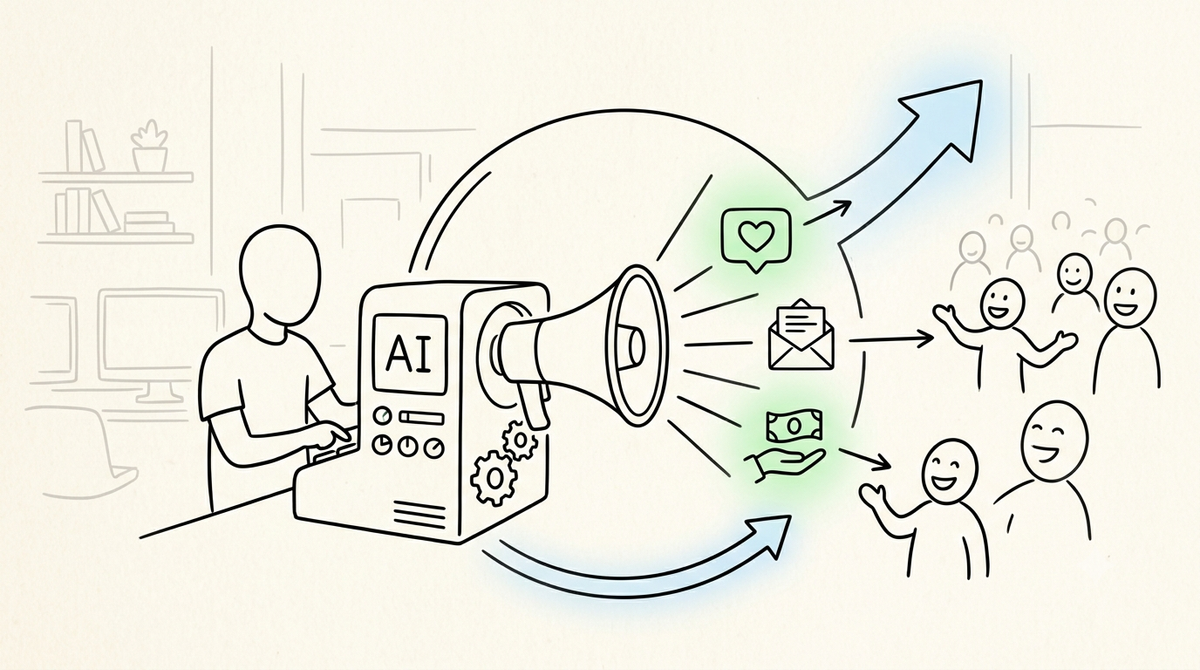
While artificial intelligence promises to revolutionize outreach, non-profit teams often struggle to integrate these tools into limited, daily workflows. This article explores how mission-driven organizations can move past technical complexity to apply AI practically—boosting campaign performance, personalizing engagement, and focusing more energy on community service.
Every day, non-profit professionals face a persistent challenge: how to achieve ambitious community goals with limited time, staff, and resources. Mission-driven organizations carry immense responsibility, from coordinating local services to advocating for systemic change. Yet, behind every successful program sits a marketing and communications engine that must consistently reach donors, recruit volunteers, and inform the public.
In recent years, artificial intelligence has been framed as a silver-bullet solution to these resource constraints. Generative tools and automated systems promise to write copy instantly, predict donor behaviors, and scale outreach at the press of a button. However, for many non-profit teams, the reality is far more nuanced. Without clear strategic direction, adopting AI can feel overwhelming, overly complex, or disconnected from the human-centered relationships that drive social impact.
The true value of modern technology lies not in replacing human connection, but in clearing away administrative friction so non-profits can build deeper, more meaningful community relationships. By understanding how to apply AI thoughtfully within everyday workflows, organizations can move past the hype and harness these tools for genuine public benefit.
Why This Topic Matters
Non-profit marketing is fundamentally different from commercial advertising. Success is not measured solely in clicks or product sales, but in lives impacted, communities supported, and trust earned. Yet, non-profit communicators often find themselves bogged down by repetitive administrative tasks—segmenting mailing lists by hand, drafting repetitive campaign updates, or manually analyzing performance metrics.
When organizations struggle to maintain efficient communication channels, the communities they serve feel the gap. Donors miss updates on how their contributions are being used, volunteers receive generic messages that fail to align with their skills, and community members facing critical challenges may not learn about available services in time.
Furthermore, many non-profit teams operate under the weight of "tool fatigue." Adopting new platforms without a clear framework creates confusion rather than efficiency. To serve the public effectively, mission-driven teams need practical strategies that align digital innovations with their core values. When used responsibly, data-driven tools can help small teams punch above their weight, ensuring that vital social programs receive the visibility and support they deserve.
Event Objectives
To help social impact leaders navigate these technological shifts, learning sessions focused on digital capacity building bring critical insights to the forefront. The primary learning goals of addressing AI in non-profit communications include:
- Demystifying AI for Non-Profits: Breaking down complex technical concepts into clear, actionable strategies tailored for resource-constrained teams.
- Enhancing Personalization at Scale: Demonstrating how to use smart segmentation so community members and supporters receive relevant, respectful, and timely communications.
- Optimizing Workflows: Identifying repetitive marketing tasks that can be streamlined, freeing up staff time for direct community engagement and strategic planning.
- Bridging Strategy and Execution: Providing real-world examples of how technology can be integrated into existing non-profit workflows without sacrificing authenticity or mission alignment.
Key Insights and Takeaways
Navigating the landscape of emerging technology requires moving from abstract possibilities to concrete practices. Several key insights highlight how mission-driven organizations can responsibly apply AI to strengthen their outreach:
1. Personalization is About Respect, Not Just Metrics
A common misconception is that AI-driven marketing is cold or robotic. In reality, modern tools allow organizations to treat supporters as individuals rather than generic email addresses. By utilizing smart segmentation, non-profits can tailor messages based on a supporter's past engagement, specific interests, or local neighborhood needs. Demonstrating that an organization understands its audience builds long-term trust.
2. Optimization Means Continuous Learning
Effective campaign design is rarely a matter of guesswork. AI tools enable teams to analyze performance trends in real time—identifying which subject lines resonate best, what times of day community members seek information, and which outreach channels yield the highest response rates. This allows non-profits to pivot quickly, making the most of every outreach dollar.
3. Enhancing Human Creativity, Not Replacing It
The most successful applications of AI in the non-profit sector occur when technology acts as a assistant rather than an author. Generative tools excel at brainstorming draft options, summarizing complex research into short social updates, or formatting data. However, human oversight remains essential. The emotional core, ethical grounding, and authentic storytelling of an organization must always come from the people doing the work.
Event Snapshot
- Title: How Nonprofits Are Using AI to Improve Marketing Performance
- Host: TechSoup (Presented by Tapp Network)
- Date: July 15, 2026
- Platform: Virtual (Cloud)
This learning session brought together non-profit leaders and communicators to explore practical pathways for integrating data-driven tools into daily organizational workflows, offering actionable guidance for organizations looking to scale their impact.
From Learning to Community Impact
Building organizational capacity through digital literacy directly translates into stronger community support. When non-profits communicate clearly and efficiently, they secure resources faster, coordinate volunteers more effectively, and ensure that community members have easy access to vital programs.
Continuous learning in areas like technology, program evaluation, and strategic planning allows the sector to remain resilient in an ever-changing landscape. Organizations that invest in upskilling their teams are better equipped to respond to unexpected community crises, adapt to changing demographic needs, and maintain transparent reporting with their stakeholders. Capacity building is not an administrative luxury; it is the foundation upon which sustainable public service is built.
Looking Ahead
As digital environments continue to evolve, non-profits must balance innovation with intention. Adopting new tools should never be about keeping up with trends for their own sake, but about deepening the impact of public-interest work. Responsible leadership requires asking not just what technology can do, but how it serves the human beings at the heart of our missions.
By fostering a culture of continuous learning and thoughtful adaptation, organizations can ensure they remain responsive, effective, and firmly rooted in community trust. The future of public service relies on our collective willingness to learn, adapt, and use every tool at our disposal to build a more supportive and informed society.
Join the Conversation
Every meaningful change begins with learning, reflection, and conversation. As communities continue to navigate new challenges and opportunities, the exchange of knowledge remains one of our most valuable tools. We invite readers, advocates, professionals, and community members to continue exploring ideas that strengthen public service, empower local initiatives, and help build a more informed and resilient society. How is your organization approaching digital transformation this year? Share your thoughts and join the dialogue below.
How Nonprofits Are Using AI to Improve Marketing Performance
July 15, 2026
Virtual
Organizational Development

This initiative was independently funded by the BUKLURAN Officers through personal contributions.
We gratefully acknowledge the groups and individuals who shared resources, services, venues, supplies, and other forms of community support.
• TechSoup
BUKLURAN remains open to partnerships, sponsorships, and collaborative initiatives that create meaningful community impact.
Whether through funding, in-kind support, volunteerism, or shared services, your organization can help strengthen programs that serve underserved communities.