Beyond the Mass Vaccine Drive: Why Catching Up on Routine Immunizations Protects Family Health and Household Finances
Mass campaigns reached over 1 million kids, but routine immunization is falling behind. Here is why that gap matters for your family.
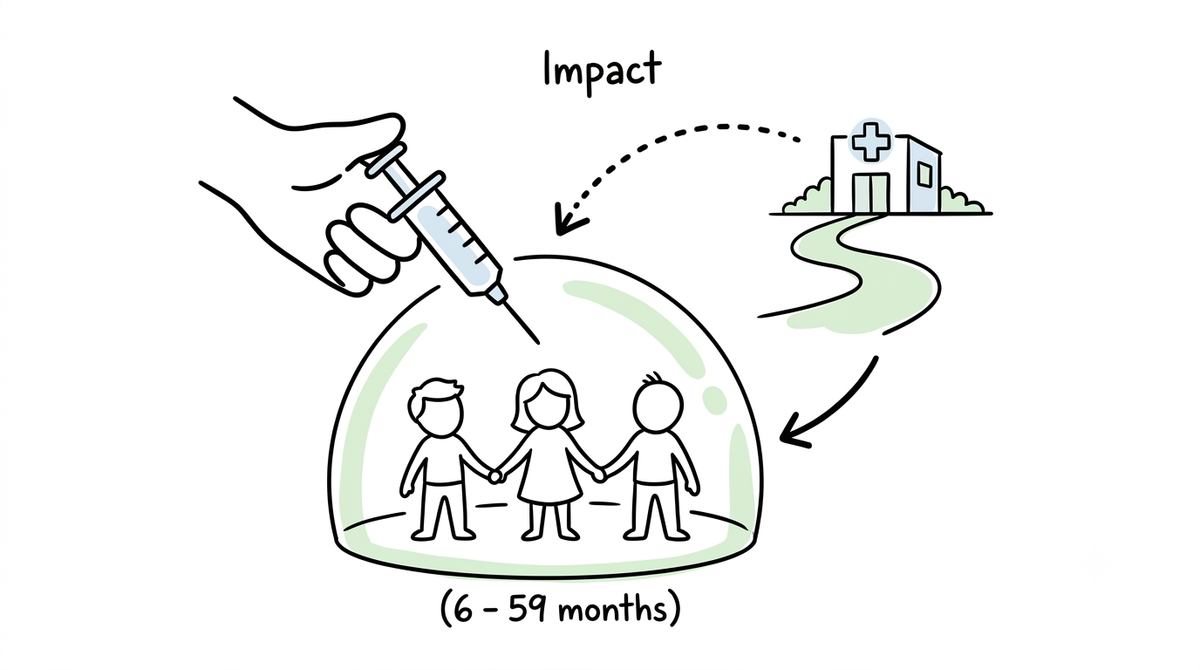
While public health drives recently vaccinated over a million infants in NCR, low routine immunization rates still expose local communities to preventable disease outbreaks and financial strain.
Introduction
When public health reports show that over one million young children in the National Capital Region (NCR) received vaccines during a recent supplemental campaign, it sounds like a complete success. Seeing large numbers brings a sense of relief to neighborhoods, reassuring parents that childhood diseases are being kept at bay.
However, beneath these campaign numbers lies a crucial concern raised by health officials: routine childhood immunization rates remain lower than necessary. Understanding the difference between a one-time vaccine campaign and routine health visits is essential for keeping children safe, families financially stable, and neighborhoods healthy.
What Happened
The Department of Health (DOH) reported that more than one million children aged six to 59 months across the NCR were vaccinated during the recent Measles-Rubella Supplemental Immunization Activity (MR-SIA).
Despite reaching this milestone during the campaign drive, health authorities pointed out that regular, scheduled vaccinations—the routine immunizations that infants are supposed to receive at specific months of age at local health centers—are still lagging behind target safety levels.
Why This Matters
Supplemental drives act as emergency safety nets designed to catch children who missed their regular doses. However, safety nets are not meant to replace steady health routines.
Routine immunizations are structured to build a child’s immunity at precise stages of early development. When routine shots are delayed:
- Protection Gaps Form: Infants may spend several vulnerable months completely unprotected before a mass drive occurs.
- Community Risk Rises: Preventable viruses can circulate quietly in crowded urban areas whenever general routine coverage drops below safe thresholds.
What the Headlines Don't Explain
Headlines often celebrate mass figures, but high aggregate numbers can hide hyper-local vulnerabilities. Achieving a campaign goal across an entire region does not guarantee that every barangay or sitio has reached safe coverage levels.
Furthermore, low routine immunization is rarely caused by vaccine refusal alone. In densely populated urban areas, daily realities often get in the way:
- Time Conflicts: Daily-wage earners and single parents may find it difficult to take time off work during standard health center operating hours.
- Information Overload: Families managing multiple responsibilities can lose track of complex vaccination schedules.
- Misconceptions About Mass Drives: Some parents assume that receiving a single shot during a community campaign fully replaces the entire recommended routine calendar.
How This Could Affect Ordinary Filipinos
A gap in basic health protection spreads far beyond medical charts—it directly impacts a household's daily stability.
+------------------------+-------------------------------------------------------+
| Household Impact Area   | Practical Consequence                                 |
+------------------------+-------------------------------------------------------+
| Daily Wage Security    | Caring for a sick child forces parents to miss daily  |
|                        | income, putting basic food and utility budgets at risk.|
+------------------------+-------------------------------------------------------+
| Caretaker Burden       | Grandparents and stay-at-home parents face severe     |
|                        | physical and financial stress managing sick infants.  |
+------------------------+-------------------------------------------------------+
| Local Schooling        | Outbreaks lead to missed daycare and early education   |
|                        | days, interrupting foundational learning.             |
+------------------------+-------------------------------------------------------+
Impact on Families, Workers, and Multi-Generational Homes
In many Filipino households, extended families share both caretaking duties and financial resources.
- For Daily Wage Earners & Workers: Missing two or three days of work to attend to a sick child means immediate income loss. For informal workers, there are no paid sick leaves to fall back on.
- For Seniors & Grandparents: Older family members frequently care for toddlers during the day. Keeping children up to date on routine vaccines protects non-working caretakers from unnecessary physical exhaustion and exposure to secondary illnesses.
- For Low-Income Households: Managing preventable illnesses creates unplanned costs for transportation, supportive medicines, and special diets, disrupting fragile monthly budgets.
Practical Takeaways
Protecting children and household budgets requires proactive management at the family and community level:
- Audit the Baby Card (Bakuna Card): Check your child's or grandchild's health record today. Identify any missing routine doses, not just the recent campaign shots.
- Coordinate with Local Barangay Health Workers (BHWs): Visit your barangay health center to ask about routine immunization schedules and regular clinic hours.
- Use Community Support Networks: Multi-generational families can designate a specific household member to track vaccination dates.
- Leverage Local Educational Resources: Engage with neighborhood initiatives—such as local financial awareness and community learning sessions like the Bagong Simula Learning Program or health outreach activities like Lingap Komunidad—to build stronger habits around family health budgeting and preventive wellness.
Looking Ahead
Relying solely on periodic mass campaigns leaves health security to chance. Sustainable health safety in urban communities depends on steady, routine access to preventive care. As neighborhood activities and local community centers continue offering education on family health and digital literacy, parents gain better tools to manage schedules, track records, and keep their families protected year-round.
A successful mass vaccination drive is a step forward, but it is only half the solution. True family security comes from consistent, routine health care that prevents illnesses before they start. By staying informed, verifying vaccination cards, and utilizing local health resources, ordinary households can safeguard both their children's health and their financial well-being.
Power Our Mission, Shape the Future
We empower single parents, PWDs, youths, seniors, and stay-at-home parents through digital livelihood.
Help us build resilient communities.
BUKLURAN remains open to partnerships, sponsorships, and collaborative initiatives that create meaningful community impact.
Whether through funding, in-kind support, volunteerism, or shared services, your organization can help strengthen programs that serve underserved communities.
Do you want to take part in our free livelihood programs, scholarship assistance, and community resource pooling initiatives? Membership is completely free.
Join BUKLURAN!
Register, volunteer, and become a member today.