Beyond the Vacation: What the Surge in Filipino Travel to Vietnam Means for Household Budgets and Local Communities
More Filipinos are flying to Vietnam, but this travel trend reflects broader changes in household budgets, digital habits, and economic priorities.
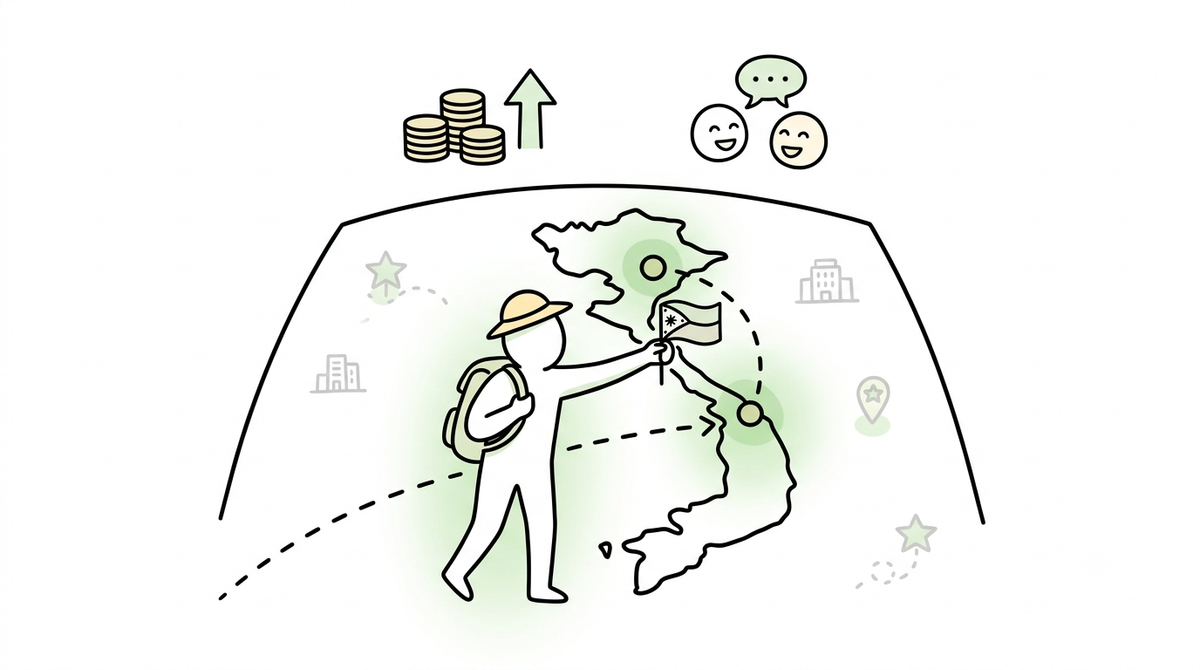
The sharp rise in Filipino tourists visiting Da Nang and Hanoi highlights evolving consumer spending, budget travel strategies, and new remote economic opportunities for ordinary households.
Introduction
News of a major surge in Filipino tourists heading to Vietnam’s vibrant hubs—Da Nang and Hanoi—might initially sound like a story strictly for frequent travelers and travel agencies. It is easy to view these statistics as a sign of leisure spending by middle-income households.
Looking beyond the headlines reveals a deeper narrative. Shifting travel patterns reflect broader changes in how Filipino families stretch their budgets, explore income options, and leverage digital tools to find value. Understanding these trends provides valuable insights into local economic resilience and resourcefulness.
What Happened
Data from the first half of the year shows a significant increase in Filipino travelers choosing Da Nang and Hanoi over traditional domestic or international destinations. Vietnam’s appeal stems from budget-friendly options, visa-free access for short stays, low daily living costs, and improved direct flight connectivity.
Cities like Da Nang offer central hubs connecting coastal leisure with historic towns, while Hanoi serves as a major cultural and commercial gateway. This travel shift also highlights a growing interest among Filipinos in exploring alternative destinations across Asia and beyond.
Why This Matters
This travel trend is not just about vacations; it serves as a barometer for how Filipinos manage money in a tight economy. When consumers actively seek higher value for their peso abroad, it demonstrates a broader mindset shift toward cost-efficiency, practical planning, and smart spending.
Understanding this trend provides actionable insights:
- Value-Seeking Behavior: High domestic transport and accommodation costs prompt travelers to compare international alternatives to get the maximum return on their hard-earned savings.
- Economic Footprints: High travel demand frequently indicates where trade, seasonal employment, and informal cross-border commerce (such as small-scale sourcing) may emerge next.
- Digital Literacy in Action: The ability to find cheap fares, manage digital travel declarations, and navigate foreign cities relies heavily on practical digital skills—tools that are equally essential for running a home business or finding remote work locally.
What the Headlines Don't Explain
Standard news coverage focuses primarily on tourism growth percentages and benefits to commercial travel agencies. It often overlooks five critical, real-world insights:
- Household Capital Allocation: Choosing budget international travel requires careful family financial planning, often shifting funds away from domestic non-essentials toward high-value experiences or exploratory trips.
- Micro-Sourcing and Informal Trade Potential: Regions like Hanoi and Da Nang are major centers for affordable textiles, handicrafts, and processed foods. Many travelers use these trips to explore small-scale product sourcing for home-based enterprises.
- The Digital Readiness Requirement: Booking flights, applying for travel declarations online, and using foreign e-wallets demand digital proficiency—skills that directly overlap with modern online work and community digital literacy.
- Remittance and Overseas Work Exploration: Increased mobility often precedes informal networking for overseas work or cross-border freelance service opportunities.
- Pressure on Local Community Tourism: When domestic travel becomes cost-prohibitive compared to neighboring ASEAN destinations, local tourism workers and small vendors in the Philippines feel the pinch, highlighting the need for stronger local community enterprise networks.
How This Could Affect Ordinary Filipinos
While not every household can afford an overseas trip, the broader economic behaviors driving this trend impact daily life across various sectors:
- For Families and Budget Handlers: The rise of budget travel highlights the importance of financial discipline and group pooling. Families who successfully budget for travel often apply the same principles to daily household expenses—buying in bulk, comparing costs, and avoiding unnecessary debt.
- For Micro-Entrepreneurs and Stay-at-Home Parents: Evolving trade routes present opportunities to explore low-cost products for resale, provided small business owners understand bulk purchasing and supply chains.
- For Youth and Job Seekers: Rising international exposure increases the demand for practical skills in digital navigation, customer service, and remote work tools.
Connecting Trends to Grassroots Development
At BUKLURAN NG KALINGA NG MAMAMAYANG DISTRITO SINGKO INC., community development relies on helping families build financial stability, digital confidence, and shared economic opportunities.
The core principles driving smart budget travel—cost efficiency, digital navigation, and resourcefulness—mirror the tools taught in community-based programs:
- Financial Awareness and Resource Management: Managing a household or planning for the future requires financial discipline. Through BUKLURAN's financial awareness orientations and the BUKLURAN HUB community livelihood ecosystem, members learn the power of resource pooling, group purchasing, and accessing essential goods below Suggested Retail Price (SRP) to stretch household income.
- Digital Literacy Initiatives: Navigating modern platforms—whether for travel, online safety, or remote work—starts with digital skills. BUKLURAN's Community Learning Programs and Bagong Simula Learning Program focus on building practical digital literacy and online safety awareness for youth, single parents, and stay-at-home parents.
- Supporting the Next Generation: When families manage their finances effectively, they create a stable environment for their children's education. Initiatives like the BUKLURAN Pabaon Program complement family efforts by offering basic school support and learning materials to elementary students, helping ease everyday educational costs.
Practical Takeaways
For Households:Apply Comparative Budgeting: Apply the habit of price comparison to your daily expenses. Evaluate monthly groceries, utility costs, and seasonal purchases to find real savings.Avoid Unnecessary Debt: Plan for major expenditures using dedicated savings or group resource mechanisms rather than high-interest loans.
For Community Members & Micro-Entrepreneurs:Build Digital Skills: Take advantage of free community learning sessions on basic digital tools, online safety, and digital financial platforms.Explore Group Sourcing: Partner with neighbors or fellow community members to buy essentials in bulk, lowering individual costs for everyone involved.
Looking Ahead
As travel and regional trade within ASEAN grow more accessible, ordinary Filipinos will continue to find creative ways to maximize their resources. The challenge and opportunity lie in bringing these same principles of efficiency, digital adoption, and collective action back to local neighborhoods.
By building strong community support networks, local households can achieve greater financial security regardless of shifting external trends.
A surge in travel to Vietnam is more than a simple lifestyle headline; it is a clear reflection of Filipino adaptability and resourcefulness. When individuals learn to navigate new environments, stretch limited budgets, and embrace digital platforms, they build skills that strengthen entire communities. Through shared learning, financial discipline, and mutual support, everyday challenges can be transformed into lasting stability for every family.

Power Our Mission, Shape the Future
We empower single parents, PWDs, youths, seniors, and stay-at-home parents through digital livelihood.
Help us build resilient communities.
BUKLURAN remains open to partnerships, sponsorships, and collaborative initiatives that create meaningful community impact.
Whether through funding, in-kind support, volunteerism, or shared services, your organization can help strengthen programs that serve underserved communities.
Do you want to take part in our free livelihood programs, scholarship assistance, and community resource pooling initiatives? Membership is completely free.
Join BUKLURAN!
Register, volunteer, and become a member today.