BSP Interest Rate Hike: How a 5% Key Rate Affects Filipino Loans, Savings, and Household Budgets
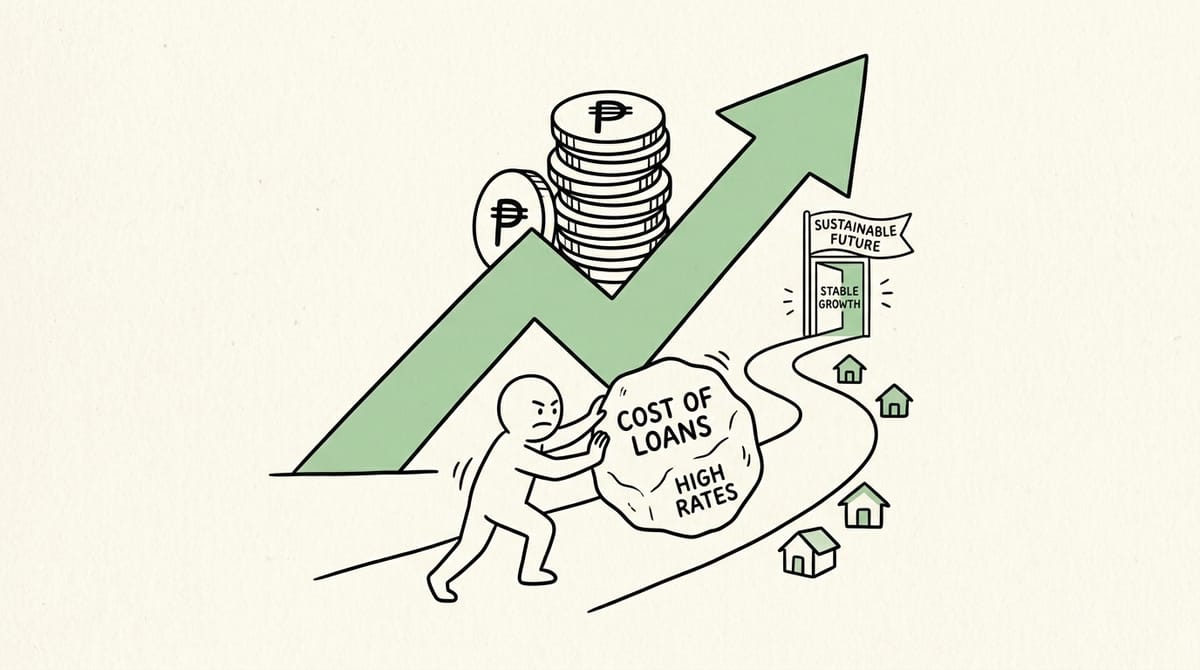
The Bangko Sentral ng Pilipinas (BSP) raised its key policy interest rate by 25 basis points to 5%, marking its third rate hike this year. While the central bank uses this strategy to curb inflation and keep the broader economy stable, the move directly influences commercial interest rates. For ordinary Filipinos, this means borrowing money—whether through personal loans, home mortgages, or credit cards—will become more expensive, while high-yield savings accounts may offer slightly better returns.
BSP Benchmark Interest Rate Raised to 5%
Rate
Commercial bank interest rates for personal loans, auto financing, and credit card balances will adjust upward to reflect higher policy rates.
Borrowers with variable or floating-rate home loans can anticipate higher monthly amortization costs upon their annual rate repricing.
Banks and digital financial institutions are likely to adjust time deposit and digital high-yield savings account rates upward to attract capital.
During periods of tightening monetary policy, prioritize paying down high-interest debt early. If you are planning major loans or property financing, explore fixed-rate options to insulate your family budget from future rate volatility.
The Bangko Sentral ng Pilipinas (BSP) recently announced another increase in its key policy rate, raising it by 25 basis points to 5%. This marks the central bank's third consecutive rate hike this year.
While central bank policy sounds like a topic meant only for bankers and economists, it has a direct ripple effect on everyday life. When the BSP changes its benchmark rate, it changes how expensive or affordable it is to borrow money across the entire Philippine banking system.
Understanding why this rate hike happened—and what it actually means for your family's budget—can help you make smarter financial choices in the coming months.
What Happened
The Monetary Board of the BSP decided to increase its overnight reverse repurchase (RRP) facility rate to 5%.
The central bank uses this key interest rate as its main tool to control monetary policy. When inflationary pressures rise—meaning the cost of goods and services is climbing faster than desired—the BSP often raises rates to cool down spending.
This latest 25-basis-point increase reflects the central bank's ongoing effort to balance steady economic growth with price stability, while also keeping the Philippine peso stable against foreign currencies.
Why This Matters
To understand why a BSP rate hike affects you, it helps to see the central bank as the "bank for banks."
Commercial banks borrow money from or store excess funds with the BSP based on this key interest rate. When the benchmark rate goes up, it becomes more costly for commercial banks to secure money. To maintain their profit margins, banks pass these higher costs along to everyday consumers and businesses.
In plain terms:
- Higher policy rate = Commercial banks charge higher interest on loans.
- Higher loan rates = People and businesses borrow less and spend more cautiously.
- Lower overall spending = Demand slows down, which helps prevent prices of goods from rising too quickly.
While the primary goal of monetary tightening is to keep inflation under control, the immediate trade-off is higher borrowing costs across the economy.
What the Headlines Don't Explain
Headlines often focus on the number itself—5%—without explaining how that translates to real-world financial products. Here is the context that usually gets left out:
1. Interest Rates on Existing Fixed Loans Won't Spike Overnight
If you have an existing fixed-rate housing or auto loan, your monthly amortization will generally stay the same for the remainder of your fixed term. The higher rates will mainly apply to new loans or existing loans that are entering a rate repricing period.
2. Credit Card Charges and Personal Loans Adjust Fast
Unlike fixed home loans, flexible-rate credit products, personal loans, and revolving credit lines tend to reflect BSP adjustments much faster. If you carry a balance on your credit card, finance charges can add up more quickly under a higher interest rate environment.
3. Banks Don't Automatically Raise Deposit Interest Rates at the Same Speed
While banks are quick to increase interest rates on loans, they are often slower to pass those higher rates onto traditional savings accounts. Savings account yields may see minor improvements, but digital banks and special time deposits usually respond faster than traditional brick-and-mortar savings accounts.
How This Could Affect Filipinos
The impact of a 5% interest rate depends heavily on your current financial situation and whether you are borrowing or saving money.
For Low-Income Households and Informal Workers
Families living on tight daily budgets feel a dual pressure. While the rate hike aims to stop prices from rising further, it also makes informal credit or small loans more expensive. If emergencies arise, access to affordable credit becomes harder, pushing vulnerable families toward high-interest informal lenders.
For Consumers and Credit Card Holders
If you use credit cards or carry balance-based consumer loans, expect borrowing to cost more. Minimum payments might cover less of the principal amount if finance charges increase, making it harder to clear debts if you only pay the minimum each month.
For Small Business Owners (MSMEs)
Micro, small, and medium enterprises often rely on short-term business loans for capital, inventory, or expansion. With higher interest rates, borrowing money to grow a small sari-sari store, eatery, or online shop becomes more costly. Owners may choose to delay expansions or absorb the higher financing costs themselves.
For Savers and Families Building an Emergency Fund
On a positive note, higher central bank rates create opportunities for savers. Time deposits, high-yield digital savings accounts, and certain government retail bonds may offer better returns, making it a good time to park emergency funds in yield-bearing accounts.
What People Should Know About Managing Debt and Savings
Navigating a high-interest environment requires a cautious approach to personal debt and a clear view of your household cash flow.
- Variable vs. Fixed Rates: Always check whether a loan has a fixed or variable interest rate before signing. Variable rates will fluctuate as the BSP adjusts its stance.
- Effective Interest Rates (EIR): Look beyond the basic monthly rate advertised by lenders. Check the total cost of credit, including processing fees and annual percentage rates.
- The Real Return on Savings: Even if a bank offers a 4% or 5% annual interest rate on savings, remember to factor in inflation and taxes (such as the 20% final withholding tax on interest income). Your money only grows in real terms if the net interest earned is higher than the rate of inflation.
Practical Takeaways for Your Household
Here are practical steps you can take to protect your family budget when interest rates rise:
- Prioritize Paying Down High-Interest Debt: Pay off credit card balances and short-term personal loans as quickly as possible to avoid compounding interest charges.
- Shop Around for Savings Options: Don't let excess savings sit in zero-interest or ultra-low-yield traditional accounts. Compare rates across regulated digital banks and time deposit options to ensure your money works harder for you.
- Delay Non-Essential Large Financed Purchases: If you are planning to take out a new loan for a vehicle or major installment purchase, evaluate whether your budget can handle higher monthly payments if rates stay elevated.
- Avoid Unregulated Lenders: As formal bank credit becomes stricter or more expensive, beware of unregulated "loan sharks" or unregistered online lending apps charging predatory rates.
- Review Your Loan Repricing Dates: If you have an existing home mortgage, check when your fixed interest period ends so you aren't surprised by higher monthly payments upon repricing.
Looking Ahead
The BSP has indicated that future monetary decisions will depend strictly on economic data—specifically how inflation behaves in the coming months and how stable the domestic economy remains.
If inflation slows down consistently, the central bank may eventually pause rate hikes or consider lowering rates in the future. However, if external economic pressures or supply disruptions push prices up again, interest rates could remain elevated for longer. Households should prepare their finances for a higher-rate environment that may persist through the near term.
A BSP interest rate hike to 5% is a monetary policy tool designed to protect the broader economy from runaway inflation, but its practical effect is felt right at the kitchen table. Higher borrowing costs mean that managing debt, avoiding unnecessary loans, and seeking better yields for your savings are crucial strategies for maintaining financial stability.
Building practical financial awareness—understanding how credit works, managing household expenses, and utilizing safe financial tools—is one of the most effective ways for Filipino families and local communities to stay resilient amidst changing economic conditions.

Power Our Mission, Shape the Future
We empower single parents, PWDs, youths, seniors, and stay-at-home parents through digital livelihood.
Help us build resilient communities.
BUKLURAN remains open to partnerships, sponsorships, and collaborative initiatives that create meaningful community impact.
Whether through funding, in-kind support, volunteerism, or shared services, your organization can help strengthen programs that serve underserved communities.
Do you want to take part in our free livelihood programs, scholarship assistance, and community resource pooling initiatives? Membership is completely free.
Join BUKLURAN!
Register, volunteer, and become a member today.