CDs and Vinyl Are Making a Comeback: What It Means for Filipino Music Lovers and Local Artists
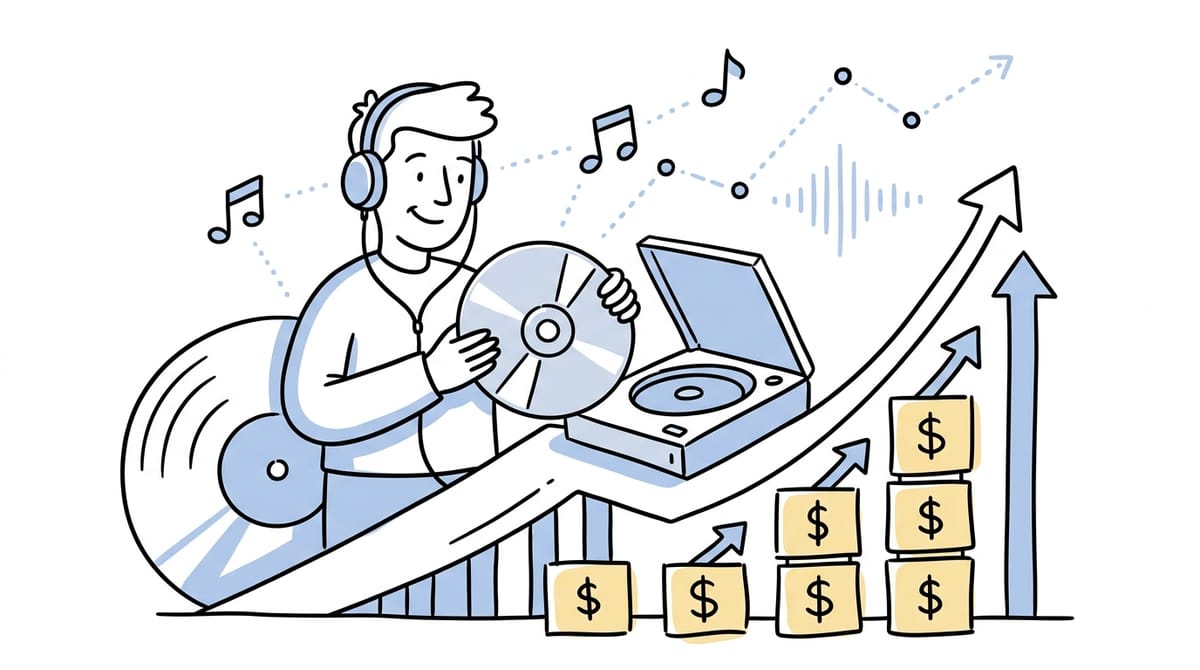
The resurgence of physical music formats like Compact Discs (CDs) and vinyl records is driving record-breaking revenues in global markets like the United States. While digital streaming remains dominant, physical media is recapturing consumer interest through tangible ownership, collectibles, and nostalgia. For the Philippines—a country deeply embedded in both digital streaming culture and independent music communities—this shift presents unique trade-offs, creative opportunities for local indie artists, and practical choices for budget-conscious consumers.
CDs Make a Comeback, Boosting US Recorded Music Revenue
"The results point to a 'healthy, diversified marketplace' supporting continued investment in artists and new ways for audiences to experience music."
What Happened?
Physical music formats are experiencing a major revival. Recent trade figures show that revenues from physical formats—specifically Compact Discs (CDs) and vinyl records—have seen sustained growth, contributing significantly to overall recorded music revenue in major markets like the United States.
After years of declining sales caused by the rise of MP3 downloads and digital streaming platforms like Spotify, Apple Music, and YouTube, consumers are once again buying tangible physical albums. CDs, in particular, are seeing renewed interest due to lower production costs compared to vinyl, affordable price points for collectors, and clever marketing tactics like limited-edition packaging and photo card inclusions.
Why This Matters
For over a decade, the global music industry operated under a single assumption: physical media was dead, and streaming was the absolute future. While streaming still accounts for the vast majority of how people listen to music worldwide, the physical comeback shows a fundamental change in consumer behavior.
Listening habits are shifting from pure convenience to active ownership. When a user subscribes to a streaming platform, they pay for temporary access to a catalog; if the subscription ends or a platform removes an album, access disappears. Physical media gives consumers permanent ownership of the music they buy.
In the Philippines, where music is a central part of daily life, this global trend intersects with local consumer habits, artistic livelihoods, and digital infrastructure realities.
What the Headlines Don't Explain
While headlines highlight record-breaking revenue numbers, they often miss key nuances that dictate how this trend translates to everyday life outside major Western markets:
- The Collectible Market vs. Playback Reality: Many modern buyers purchasing CDs and vinyl records do not actually own CD players or turntables. Physical albums have evolved into merchandise and fan memorabilia rather than primary playback tools.
- Production and Supply Chain Bottlenecks: Vinyl pressing plants worldwide face huge backlogs, making vinyl expensive and slow to produce. CDs, however, rely on simpler manufacturing, making them a more accessible physical option for independent creators.
- Artist Monetization Gaps: Streaming platforms pay fraction-of-a-cent royalties per play, requiring millions of streams for an artist to generate a decent income. Physical media offers much higher profit margins per unit sold.
- Digital Access Barriers: Streaming requires continuous internet connectivity and digital payment methods (such as credit cards, e-wallets, or bank accounts). Physical formats require no ongoing data costs once purchased.
How This Could Affect Filipinos
For Music Fans and Households
Filipino households operate on careful budget allocations. While streaming subscriptions cost roughly ₱150 to ₱300 per month, physical albums—especially imported releases—can cost anywhere from ₱800 to over ₱2,500 each.
For ordinary fans, buying physical media is a deliberate trade-off. Choosing to buy physical CDs means allocating disposable income away from other entertainment or daily savings. However, for households in areas with unstable internet connectivity or for individuals without access to digital banking tools, physical media remains a reliable, one-time purchase that does not rely on a monthly subscription or data allowance.
For Independent Artists and Musicians
For local Filipino bands, indie musicians, and performers, the physical revival offers a direct path to financial sustainability.
- Higher Direct Revenue: Selling 100 CDs at a local gig can yield more direct profit for a local band than hundreds of thousands of streams on a digital platform.
- Community Connection: Physical merchandise creates a tangible connection between creators and their local fan bases during live performances, pop-up events, and community markets.
For Small Businesses and Retailers
While large record chains largely disappeared over the past decade, small, independent record shops, online sellers, and local pop-up markets in urban centers and provinces are seeing steady demand. This creates niche micro-entrepreneurship opportunities in sourcing, distributing, and crafting physical merchandise.
What People Should Know
Understanding physical media today requires balancing nostalgia with practical choices:
- Physical Media Is Not Replacing Streaming: Streaming will remain the main way people discover and listen to music daily. Physical media serves as a complementary format for dedicated fans and collectors.
- Hardware Requirements: Buying CDs or vinyl requires working hardware. Older CD players, DVD players, laptops with optical drives, or second-hand stereos are needed to actually play the discs.
- Storage and Care: Unlike digital files, physical media requires proper storage away from heat, moisture, and dust to prevent degradation over time.
Practical Takeaways
If you or a family member are considering getting into physical music collecting, keep these practical points in mind:
- Evaluate Your Entertainment Budget: Treat physical albums as discretionary collectibles rather than basic expenses. Ensure essential household priorities and savings are met first.
- Support Local Creators Directly: If you want to support Filipino indie artists, buying physical CDs, tapes, or official merchandise directly from them at gigs yields a far higher benefit to the artist than streaming their tracks alone.
- Check Playback Equipment First: Before buying physical albums to listen to, verify that you have a working player. Second-hand markets often offer affordable, refurbished CD or DVD players.
- Guard Against Over-Purchasing: Be mindful of "FOMO" (fear of missing out) driven by multi-version album releases and limited editions, which can lead to impulse spending.
Looking Ahead
The resurgence of CDs and physical media proves that digital convenience does not completely erase the human desire for tangible ownership and community connection. As manufacturing options adapt and indie artists look for sustainable ways to earn from their craft, physical media will likely remain a steady, valuable fixture of the music economy.
Whether through supporting local music scenes or preserving cultural work in physical formats, the revival of physical music reminds us that technology changes how we consume art, but the value of supporting creative work remains constant.

Power Our Mission, Shape the Future
We empower single parents, PWDs, youths, seniors, and stay-at-home parents through digital livelihood.
Help us build resilient communities.
BUKLURAN remains open to partnerships, sponsorships, and collaborative initiatives that create meaningful community impact.
Whether through funding, in-kind support, volunteerism, or shared services, your organization can help strengthen programs that serve underserved communities.
Do you want to take part in our free livelihood programs, scholarship assistance, and community resource pooling initiatives? Membership is completely free.
Join BUKLURAN!
Register, volunteer, and become a member today.