Digital Agriculture for Small Farmers: Who Gains, Who Risks Being Left Behind, and Why It Matters to Filipino Households
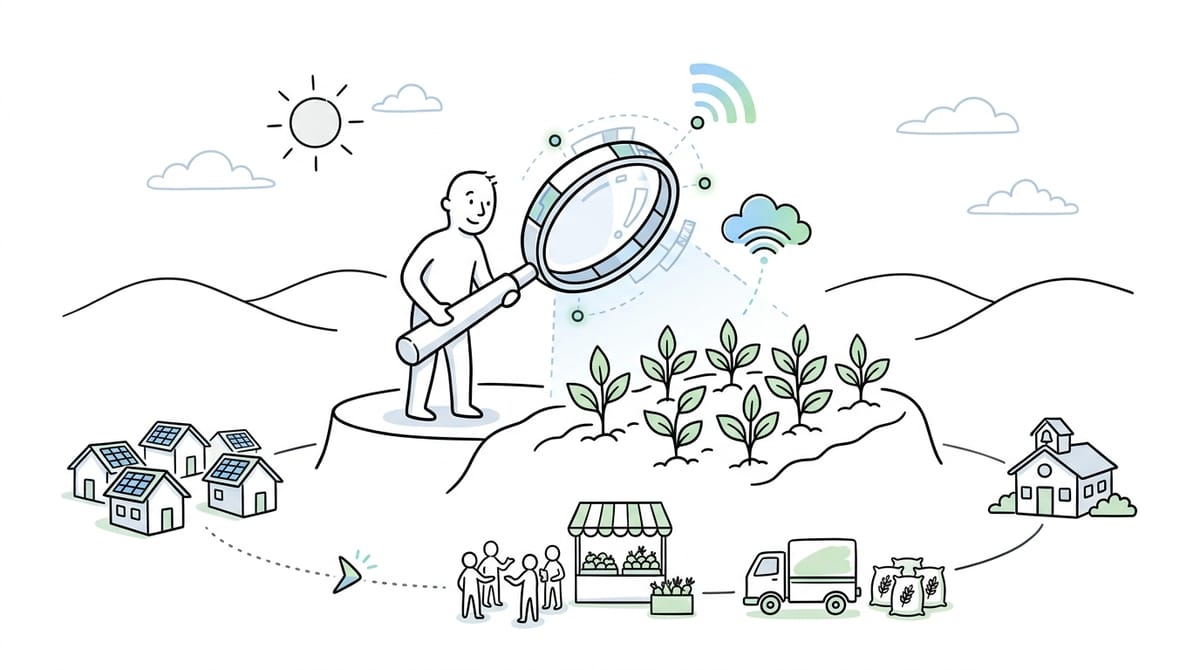
This article examines the Department of Science and Technology's (DOST) digital agriculture initiative aimed at modernizing small-scale farming, highlighting its potential economic benefits alongside the growing risk of a digital divide for unconnected rural communities.
The Department of Science and Technology (DOST) has stepped up its push toward digital agriculture, deploying data-driven solutions and smart farming frameworks designed to help small-scale farmers increase crop yields, combat climate risks, and improve farm productivity. Through initiatives such as Project SARAI (Smarter Approaches to Reinvigorate Agriculture as an Industry) and localized regional innovation hubs, the government aims to modernize traditional farming across the country.
While digital platforms, weather modeling, and automated monitoring present a major technological leap forward, they also bring into sharp focus a persistent issue in rural development: the digital divide. As agricultural management moves online, ensuring that low-income and unconnected rural populations are not left further behind is becoming as critical as the technology itself.
What Happened?
The DOST, in partnership with academic institutions like the University of the Philippines Los Baños (UPLB) and local government units (LGUs), has been expanding its digital agriculture framework nationwide. The initiative focuses on deploying science-based tools to support smallholder farmers cultivating key priority crops, including rice, corn, banana, coconut, coffee, cacao, sugarcane, soybean, and tomato.
Key components of the digital push include:
- Site-Specific Advisories: Providing localized, real-time forecasts on weather patterns, pest hazards, and irrigation timing through tools like the Water Balance-Assisted Irrigation Decision Support System (WAISS).
- Digital Diagnostics: Mobile-based tools like Smarter Pest Identification Technology (SPIDTECH), which allow users to identify crop diseases and insect pests using photo recognition libraries.
- Regional Innovation Hubs: Physical and coordination hubs established across various regions to train farmers, agricultural officers, and local cooperatives on adopting digital agricultural tools.
Why It Matters to Filipino Households
Agriculture remains a cornerstone of the Philippine economy and the primary source of livelihood for millions of families in provincial communities. However, traditional farming in the country has long been vulnerable to extreme weather, unpredictable pest outbreaks, and high operational costs.
When small farmers gain access to accurate, localized data, the potential benefits extend beyond the farm:
- Better Yields and Stable Incomes: Knowing exactly when to plant, irrigate, or apply treatment helps reduce crop loss, protecting a farm household's baseline income.
- Lower Food Supply Risks: Agricultural efficiency directly impacts national food security. More predictable harvests contribute to stabilizing retail food prices in urban markets and neighborhood public markets (palengke).
- Climate Adaptation: Real-time weather monitoring gives farming communities a practical tool to prepare for droughts, typhoons, and shifting seasonal patterns.
What the Source Does Not Fully Explain: The Digital Divide Risk
While official press materials highlight the potential of smart agriculture, technology adoption in rural settings faces significant structural hurdles that are not always detailed in high-level announcements.
The primary limitation of any digital initiative in the countryside is infrastructure. For a digital farming tool to work, a farmer typically needs three things: a reliable internet connection, a functional digital device (such as a smartphone), and the digital literacy required to navigate software applications.
In many low-income and remote agricultural communities, these conditions are not fully met:
- Connectivity Gaps: Many farm areas in the provinces still suffer from weak or non-existent cellular and internet coverage.
- Hardware Costs: Smallholder farmers operating on thin margins may prioritize basic household needs over acquiring or maintaining internet-capable devices.
- Digital Literacy Barriers: Older farmers and marginalized groups may find complex mobile interfaces difficult to navigate without sustained, hands-on guidance.
If digital tools become the primary channel for receiving government advisories, agricultural inputs, or market linkages, unconnected farmers risk becoming economically vulnerable. Larger enterprises or well-connected farming cooperatives may capture the benefits of higher productivity, while small, disconnected producers risk being priced out or left without timely information.
How This May Affect Different Groups
The impact of modernizing agriculture digitally is not uniform across society:
- Small-Scale Farmers with Tech Access: Stand to gain significantly by reducing input costs, avoiding crop loss due to early pest warnings, and connecting directly to buyers.
- Unconnected or Low-Income Rural Households: Risk lagging behind in productivity, facing reduced competitiveness compared to technology-enabled farms.
- Small and Medium Enterprises (SMEs) in Food Distribution: Can benefit from more predictable crop yields and improved supply chain data.
- Urban Consumer Families: May see longer-term benefits in food price stability if nationwide agricultural efficiency improves.
What People Should Know and Watch For
To evaluate how digital agriculture initiatives unfold in practice, ordinary citizens and community members can look out for specific implementation signals:
- LGU Engagement: Modernization efforts rely heavily on municipal agricultural officers. The success of digital tools often depends on whether local government staff are actively trained to assist farmers on the ground.
- Offline Accessibility: Whether key advisories are distributed purely through digital apps or also shared through traditional channels, such as community bulletin boards, radio broadcasts, and local association meetings.
- Community Capacity Building: Programs that offer sustained digital literacy training alongside technology rollouts are generally more effective than those that merely distribute software.
Practical Steps for Farming Families and Rural Communities
For rural households and small-scale growers interested in agricultural tools, practical steps can help bridge the information gap:
- Inquire at the Local Agriculture Office: Ask municipal agricultural officers if Project SARAI, SPIDTECH, or local DOST advisories are available in your municipality.
- Utilize Community Networks: Farming groups, neighborhood associations, and local cooperatives can share a single internet-connected device or delegate a tech-literate volunteer to monitor digital advisories for the group.
- Combine Traditional Knowledge with Data: Digital tools are designed to complement, not replace, practical farming experience. Treat mobile advisories as additional reference points for decision-making.
BUKLURAN Connection: Community Literacy and Shared Access
While BUKLURAN Ng Kalinga Ng Mamayang Distrito Singko Inc. operates as a community development organization based in District 5, Quezon City, the principles behind digital literacy and community resource sharing apply directly to urban and rural neighborhoods alike.
Under the BUKLURAN 3-Generation Community Development Model, community capacity building is a core pillar. Specifically:
- Digital and Financial Literacy: BUKLURAN’s Bagong Simula learning programs emphasize helping community members navigate digital tools safely and practically. Whether in urban neighborhood trading or rural farm management, building basic digital confidence is essential to preventing exclusion.
- Community Support Systems: BUKLURAN’s experience with cooperative resource pooling—such as the BUKLURAN HUB system—demonstrates that when individual households lack resources, organized community groups can bridge the gap through shared coordination, volunteer distribution, and collective support.
Whether in urban centers or rural farming areas, technology yields the greatest public benefit when paired with grassroots support systems that ensure no family is left out simply because they lack a device or a connection.
Digital agriculture holds genuine promise for boosting farm productivity, strengthening climate resilience, and securing the Philippine food supply. However, technology alone cannot solve structural inequities. For smart farming to benefit the entire nation, public agencies and local communities must work together to ensure that digital tools remain accessible, practical, and inclusive for every Filipino farmer.

Power Our Mission, Shape the Future
We empower single parents, PWDs, youths, seniors, and stay-at-home parents through digital livelihood.
Help us build resilient communities.
BUKLURAN remains open to partnerships, sponsorships, and collaborative initiatives that create meaningful community impact.
Whether through funding, in-kind support, volunteerism, or shared services, your organization can help strengthen programs that serve underserved communities.
Do you want to take part in our free livelihood programs, scholarship assistance, and community resource pooling initiatives? Membership is completely free.
Join BUKLURAN!
Register, volunteer, and become a member today.