Digital Banking is Expanding: What It Means for Everyday Filipino Household Budgets
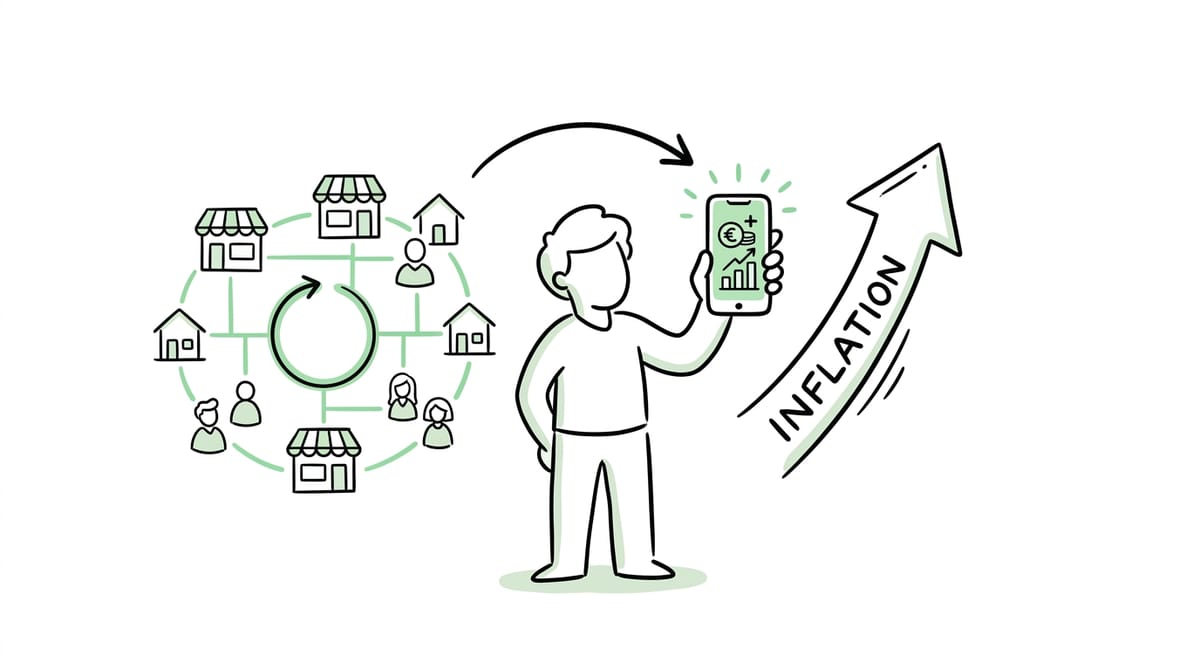
A major Philippine bank is ramping up digital finance and financial inclusion programs to help consumers navigate inflation. While digital tools offer convenience and lower transaction fees, the shift presents risks for cash-reliant households, informal workers, and those vulnerable to online scams. This article explores the practical daily implications of this trend and offers concrete safety tips for ordinary Filipinos.
A major commercial bank in the Philippines has announced an expanded push toward digital finance and financial inclusion, positioning technology as a key tool to help Filipinos cope with persistent inflation. By making daily financial tools accessible on mobile phones, financial institutions aim to lower transaction costs and offer easier access to formal banking.
While headline announcements emphasize modern convenience, the practical reality of transitioning from a cash-based routine to digital financial services affects ordinary households in distinct ways.
Major Bank Pushes Digital Finance, Financial Inclusion Amid Rising Inflation
"For many families, rising prices mean every peso has to be carefully accounted for. Transportation, food, utilities, and other daily expenses can quickly eat into household income, leaving little room for savings or emergencies."
What Happened
The bank’s initiative centers on expanding digital access—such as mobile wallets, micro-savings accounts, and digital transfer systems—tailored for everyday consumers and small enterprises. The stated goal is to cushion the impact of rising living costs by reducing the physical and financial hurdles associated with traditional banking.
In practical terms, this means more efforts to onboard micro-entrepreneurs, informal workers, and daily wage earners into digital platforms where money can be transferred, saved, or spent via mobile phones without needing to visit a physical bank branch.
Why This Matters
For decades, millions of Filipino households have operated entirely in cash. Traditional banking often requires maintaining balances, submitting multiple government-issued IDs, and traveling long distances to physical branches—barriers that make formal accounts impractical for low-income earners.
When banks push for digital inclusion, they attempt to replace these physical barriers with mobile applications. In an environment where the cost of food, transport, and utilities continues to rise, reducing the time and travel costs spent paying bills or sending money can offer minor relief to tight family budgets.
What the Headlines Don't Explain
While digital finance is often framed as an all-in-one solution for economic pressure, mobile apps do not directly lower the price of rice or electricity. Instead, digital financial tools change how money is managed, which carries a specific set of trade-offs that headlines rarely cover:
- Cash-Out and Transaction Fees Add Up: While creating an account may be free, converting digital money into physical cash at local neighborhood outlets often incurs service fees. For a family living on daily wages, repeated ₱15 to ₱30 cash-out fees can eat into small earnings.
- Connectivity Costs Are Real: Using digital services requires a reliable smartphone, functional internet access, and mobile load. In areas with weak mobile signals or for families struggling with utility bills, staying connected to access one's own funds becomes an added expense.
- The Risk Shift to Consumers: In traditional banking, physical security protects cash. In digital banking, security depends largely on user awareness. Fraudsters frequently target first-time digital users through fake text messages, phishing links, and social engineering.
How This Could Affect Filipinos
The shift toward a more digital financial system creates different outcomes depending on household circumstances:
For Small Vendors and Informal Workers Sari-sari store owners, market vendors, and tricycle drivers can benefit by accepting direct mobile payments, reducing the need to maintain physical change (barya). However, small vendors who rely on daily cash flow to buy inventory at wholesale markets may struggle if their suppliers do not accept digital transfers or if cash-out points are out of reach.
For Low-Income Families and Seniors Senior citizens and family members who lack smartphone literacy or access to steady internet face the risk of being left behind. As utility companies, schools, and government offices increasingly favor digital payments, those relying entirely on cash may find basic transactions becoming more inconvenient or time-consuming.
For Daily Wage Earners Digital micro-savings features can help workers reserve small amounts of money—even ₱20 or ₱50 at a time—outside of physical cash that might otherwise be spent on unexpected daily expenses.
What People Should Know
Adopting digital finance requires understanding the basic rules of digital safety and account management:
- Digital Money Is Real Money: Because digital transactions happen with a tap on a screen, it is easy to lose track of daily spending compared to handling physical bills.
- Banks Will Never Ask for PINs or OTPs: No legitimate bank or e-wallet representative will ever call, text, or email asking for a One-Time Password (OTP) or account PIN.
- Accounts Require Account Maintenance: Leaving an unverified account inactive or losing access to the registered mobile SIM card can complicate recovering deposited funds.
Practical Takeaways
To make digital financial tools work safely for your household budget:
- Track Cash-Out Costs: Compare transfer fees across different platforms. Use free bank-to-wallet transfer options whenever available to avoid unnecessary service charges.
- Secure Your Registered Mobile Number: Keep your primary banking SIM card active and registered in your name. Losing access to your phone number can lock you out of your account.
- Treat Your OTP Like a House Key: Never forward text codes or give them to anyone over the phone, even if the caller claims to be a bank official or customer service representative.
- Start Small: If you are new to digital finance, test the system with small amounts first—such as paying a single utility bill—before using it for primary household funds.
Looking Ahead
As financial institutions continue expanding digital infrastructure, the gap between tech-ready households and unbanked communities will remain a public interest challenge. The ultimate success of digital inclusion depends not just on app downloads, but on local network reliability, transparent fee structures, and accessible community-based education.

Power Our Mission, Shape the Future
We empower single parents, PWDs, youths, seniors, and stay-at-home parents through digital livelihood.
Help us build resilient communities.
BUKLURAN remains open to partnerships, sponsorships, and collaborative initiatives that create meaningful community impact.
Whether through funding, in-kind support, volunteerism, or shared services, your organization can help strengthen programs that serve underserved communities.
Do you want to take part in our free livelihood programs, scholarship assistance, and community resource pooling initiatives? Membership is completely free.
Join BUKLURAN!
Register, volunteer, and become a member today.