DOE Bids Out 160-MW Biomass Power Projects: What It Means for Electricity Bills and Local Communities
The Department of Energy (DOE) is launching the Sixth Green Energy Auction (GEA-6) offering 160 megawatts (MW) of biomass power generation. This article explains how turning agricultural waste into electricity impacts national grid stability, monthly electric bills, local farming communities, and environmental safety.
The Department of Energy (DOE) is launching a dedicated Green Energy Auction round focused on biomass energy, offering a total capacity of 160 megawatts (MW) to power developers.
This procurement drive includes 120 MW for standalone biomass power plants and 40 MW for co-generation facilities, which generate both electricity and useful heat. Winning developers will build facilities that utilize agricultural waste, wood residues, and other organic matter to supply round-the-clock power to the national grid between 2027 and 2030.
While expanding renewable energy is a key national goal, energy decisions ultimately affect daily living expenses, environmental safety, and community welfare. Understanding how biomass technology works helps ordinary consumers evaluate its impact on household budgets and local environments.
DOE to Bid Out 160-MW Biomass Projects Under GEA-6 Round
"The auction proper will be conducted in the fourth quarter of 2026... all biomass projects are eligible to join the bidding, provided that they are Renewable Portfolio Standards-eligible."
What Happened
Under the Sixth Round of the Green Energy Auction (GEA-6), the DOE released the terms of reference inviting energy companies to bid for 160 MW of biomass supply.
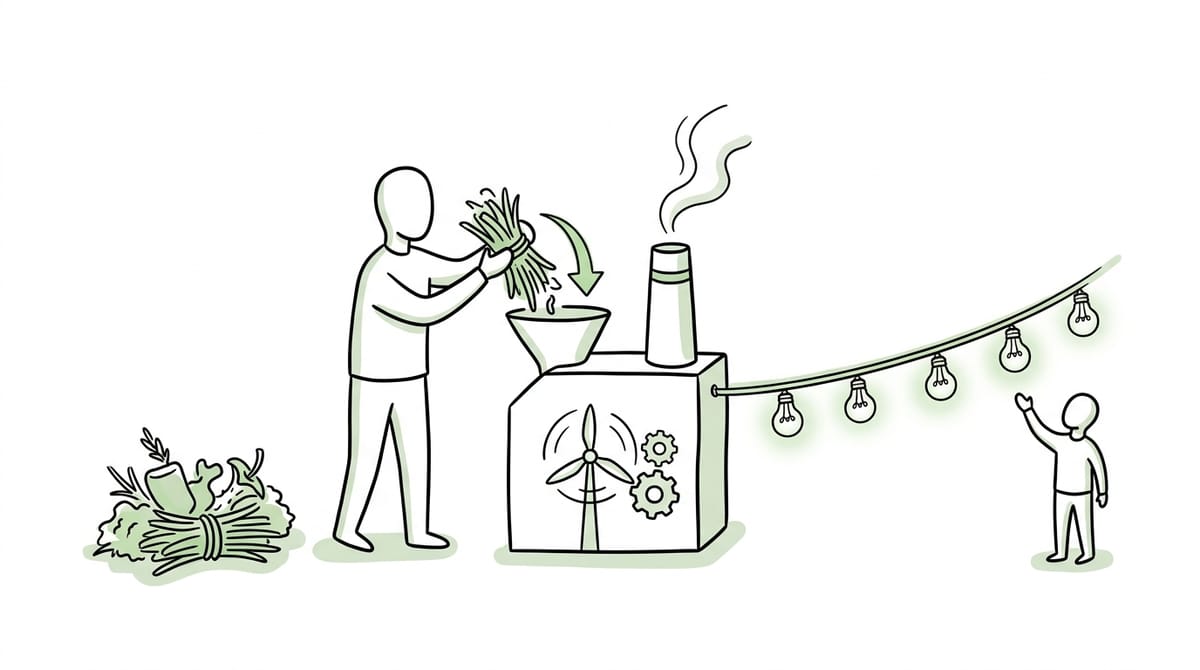
Biomass energy produces power by burning or processing organic material—such as rice husks, bagasse (sugarcane residue), coconut shells, and agricultural waste. Unlike solar or wind energy, which depend on weather conditions, biomass serves as a "baseload" renewable source, meaning it can generate power continuously 24 hours a day.
- Standalone Biomass (120 MW): Dedicated power plants built primarily to generate electricity directly for the grid using collected organic waste.
- Co-generation Biomass (40 MW): Facilities connected to processing plants (such as sugar mills or agricultural facilities) that simultaneously produce electricity for the grid and steam/heat for their own operations.
The Energy Regulatory Commission (ERC) will establish a maximum price ceiling (Green Energy Auction Reserve price) for the auction. Winning bidders will secure a guaranteed 20-year pay-as-bid tariff to supply power to the grid.
Why This Matters
The Philippines relies heavily on imported fossil fuels, particularly coal and diesel, to meet its base electricity demand. When global oil or coal prices spike, generation charges on monthly residential electricity bills rise automatically.
Developing domestic biomass capacity provides two potential long-term benefits:
- Grid Stability: Adding 160 MW of renewable baseload power helps reduce localized power outages without relying on weather-dependent solar or wind alone.
- Fuel Diversity: Utilizing domestic agricultural waste reduces dependence on imported coal and oil, protecting the power supply from international market volatility.
What the Headlines Don't Explain
News coverage often focuses on renewable energy capacity targets, but several practical factors determine how this initiative affects ordinary citizens:
- Impact on Generation Charges: Biomass facilities require ongoing operational expenses to collect, transport, and process organic fuel. If the approved tariff ceiling is set higher than conventional generation sources, it could slightly push up generation rates on consumer bills.
- Logistical Requirements: Unlike solar farms that rely on sunlight, biomass plants require continuous truckloads of agricultural waste to operate. This creates localized transportation networks that can impact road traffic and emissions near plant sites.
- Competitive Farm Waste Pricing: Selling agricultural residues creates a new income stream for farmers and agricultural cooperatives, but it may also increase competition for organic material previously used for local compost, soil enrichment, or animal feed.
- Air Quality and Emissions: While classified as renewable, direct combustion of organic material still releases emissions. Facilities must maintain advanced filtration systems to comply with clean air standards and protect nearby residents.
How This Could Affect Filipinos
For Electricity Consumers and Households
The long-term effect on monthly electricity bills depends on the final auction prices set by the ERC. If biomass rates are competitive with imported coal, consumers gain protection against fuel price shocks. However, if construction and supply chain costs push guaranteed tariffs upward, small generation adjustments may reflect on monthly electric bills over the 20-year contract period.
For Farmers and Agricultural Communities
Farmers, agricultural workers, and rural cooperatives could gain secondary income by selling crop residues—such as rice husks, coconut husks, and sugarcane bagasse—that are usually burned in open fields or discarded as waste.
For Nearby Neighborhoods and Localities
Communities situated near proposed biomass facilities may benefit from local construction and operational jobs. However, local government units (LGUs) and residents must monitor environmental compliance to ensure facilities use modern emission-control equipment to prevent localized air pollution and excessive heavy-vehicle traffic.
What People Should Know
- Biomass vs. Waste-to-Energy: Biomass plants strictly utilize organic agricultural waste, crop residues, and biological matter. They are distinct from municipal waste-to-energy facilities that process general household garbage.
- Price Oversight: The power rates resulting from this auction are not arbitrary; they are capped by the ERC and governed by long-term contracts to shield consumers from unapproved price hikes.
- Construction Timelines: These projects will not alter electricity rates overnight. Winning facilities are scheduled to begin commercial operations progressively between July 2027 and December 2030.
Practical Takeaways
- Monitor ERC Price Announcements: Consumers and advocacy groups should track the price ceilings published by the ERC to understand how upcoming renewable tariffs compare with current generation costs.
- Engage in LGU Environmental Consultations: Local residents near proposed energy project sites should participate in public consultations and Environmental Impact Assessments (EIA) to ensure proper air filtration and traffic management plans are enforced.
- Explore Agricultural Waste Opportunities: Farmers' associations and rural entrepreneurs can inquire with local agriculture offices about organizing biomass waste collection networks to generate supplementary household revenue.
Looking Ahead
Following the publication of the auction terms, energy developers will submit formal bids competing on price and delivery timelines. Once winning bidders are selected, projects will undergo environmental clearance and grid-connection reviews before construction begins. Monitoring whether these facilities meet their 2027–2030 target dates will indicate how effectively biomass can contribute to national energy security.

Power Our Mission, Shape the Future
We empower single parents, PWDs, youths, seniors, and stay-at-home parents through digital livelihood.
Help us build resilient communities.
BUKLURAN remains open to partnerships, sponsorships, and collaborative initiatives that create meaningful community impact.
Whether through funding, in-kind support, volunteerism, or shared services, your organization can help strengthen programs that serve underserved communities.
Do you want to take part in our free livelihood programs, scholarship assistance, and community resource pooling initiatives? Membership is completely free.
Join BUKLURAN!
Register, volunteer, and become a member today.