DOLE and Korean Partners Plan Shipbuilding Training Center in Zambales: What It Means for Local Workers
The Department of Labor and Employment (DOLE) is working with South Korean partners to establish a specialized training facility for shipbuilding in Subic, Zambales. This initiative aims to enhance the technical skills of Filipino workers, align local labor standards with global maritime demands, and spur sustainable employment opportunities within the region's industrial and eco-friendly shipbuilding ecosystem.
The Department of Labor and Employment (DOLE) is collaborating with South Korean partners to plan a dedicated training facility for the shipbuilding sector in Zambales. The initiative aims to upgrade the skills of local laborers to match global manufacturing standards, particularly as the industry transitions toward greener, eco-friendly vessel production.
While shipbuilding has long been a key industry in areas like Subic, changes in international marine tech require workers to master new techniques. This prospective facility seeks to bridge the gap between basic construction skills and specialized maritime fabrication.
DOLE, Korean Partners Eye Training Facility on Shipbuilding
"Establishing a dedicated shipbuilding center ensures Filipino workers receive world-class training directly aligned with the global technical demands of top-tier shipbuilders."
What Happened
DOLE officials met with representatives from South Korea to discuss establishing a specialized technical training center in Zambales. The proposed center will focus on equipping workers with advanced skills needed for modern ship construction, repair, and maintenance.
Key aspects of the plan include:
- Targeted Skills Upgrading: Training focused on precision welding, marine pipefitting, structural fabrication, and modern vessel assembly.
- Eco-Friendly Manufacturing Focus: Aligning worker capabilities with global shifts toward sustainable, low-emission ship construction.
- Regional Job Growth: Supporting the labor requirements of maritime and heavy industries operating in the Subic Bay area.
Why This Matters
The Philippines is consistently ranked among the top shipbuilding nations globally in terms of gross tonnage produced, largely due to major shipyards operating in Subic and Cebu. However, maintaining that standing requires a continuous supply of certified, highly skilled labor.
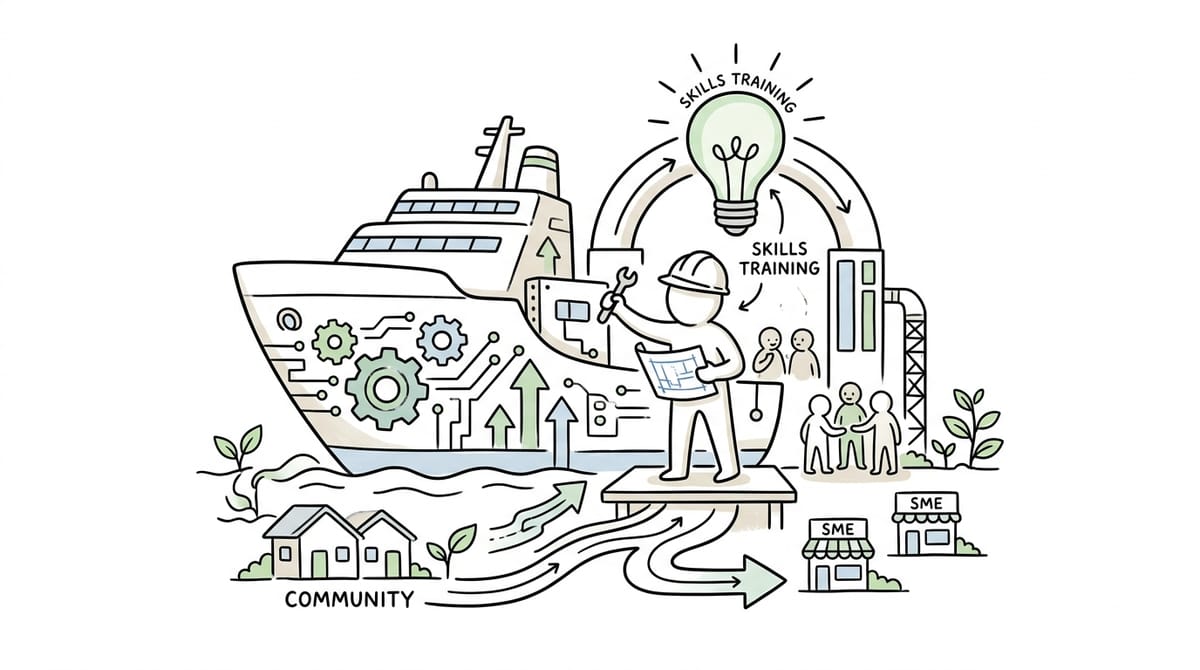
Maritime Employment Pathway
When international investors evaluate industrial hubs, they look for both infrastructure and workforce readiness. A dedicated, modern training facility ensures that local workers—rather than foreign hires—are qualified for high-value technical roles in these large-scale operations.
What the Headlines Don't Explain
While news reports focus on the high-level partnership, several practical factors determine how much ordinary workers will actually benefit from this facility:
- Certification and Global Mobility: Technical credentials matter significantly in heavy industry. The key value of Korean partnership lies in whether the training yields internationally recognized certifications, allowing workers to command higher wages locally or abroad.
- Entry Requirements and Accessibility: Advanced industrial training often requires baseline technical competencies. It remains to be seen whether the program will offer foundation courses for entry-level applicants or focus exclusively on upskilling existing industrial workers.
- Broader Supply Chain Opportunities: Large shipyards rely on hundreds of local Small and Medium Enterprises (SMEs) for parts, logistics, catering, and maintenance. Skills training at the primary facility can create a spillover effect, raising quality standards across regional supply chains.
- Transition to Green Tech: "Eco-friendly shipbuilding" involves new materials, energy-efficient propulsion systems, and strict environmental compliance during construction. Training in these areas prepares Filipino workers for long-term trends as traditional vessel designs are phased out.
How This Could Affect Filipinos
The practical implications of this project vary depending on a worker's background, location, and career path:
For Industrial and Construction Workers
Welder, fitters, electricians, and mechanics in Zambales and nearby provinces gain a pathway to specialize. Moving from general construction to certified marine fabrication typically leads to higher pay rates and better job stability.
For Young Jobseekers and Vocational Students
Students pursuing technical-vocational tracks obtain a direct target for employment. Specialized manufacturing offers a clear career trajectory compared to informal or temporary service work.
For Local Communities and Small Businesses
An active industrial training hub brings economic activity to surrounding barangays. Boarding houses, small food establishments, transportation operators, and local suppliers benefit from the influx of trainees and expanded shipyard operations.
For Low-Income and Informal Workers
Unskilled laborers or those without access to basic technical education may face barriers to entry. Without bridging programs or free introductory courses, the highest-paying technical roles could remain out of reach for those who need them most.
What People Should Know
- Timelines and Development: The facility is currently in the planning and partnership stage. Construction, curriculum design, and operational launch will take time before enrollment opens to the public.
- No Direct Job Guarantees: Completing a training program improves employability, but hiring depends on market demand, active shipyard contracts, and individual performance.
- Official Channels Only: Jobseekers should monitor official announcements from DOLE and the Technical Education and Skills Development Authority (TESDA). Be cautious of unauthorized third parties charging illegal placement or reservation fees for training slots.
Practical Takeaways
- Strengthen Basic Technical Skills: Individuals interested in maritime manufacturing can begin build fundamental skills through local TESDA courses in welding, electrical installation, or metal fabrication.
- Track Regional Announcements: Keep an eye on updates from the DOLE Regional Office III (Central Luzon) regarding enrollment schedules, scholarships, or prerequisite requirements.
- Verify Accreditation: Always ensure any technical training program or recruitment initiative is officially accredited by government labor authorities.
Looking Ahead
The success of the proposed DOLE-Korean training facility depends on how quickly planning translates into physical infrastructure and accessible programs. Key developments to watch include:
- The formal signing of operational agreements between DOLE, Korean partners, and local government units.
- The release of enrollment criteria, course offerings, and scholarship allocations.
- Actual hiring commitments from shipbuilding firms operating in the Subic Bay area.
Investing in human capital remains one of the most effective ways to secure sustainable livelihoods. By equipping Filipino workers with specialized, future-ready skills, initiatives like this help ensure that industrial growth leads directly to better opportunities for local households.

Power Our Mission, Shape the Future
We empower single parents, PWDs, youths, seniors, and stay-at-home parents through digital livelihood.
Help us build resilient communities.
BUKLURAN remains open to partnerships, sponsorships, and collaborative initiatives that create meaningful community impact.
Whether through funding, in-kind support, volunteerism, or shared services, your organization can help strengthen programs that serve underserved communities.
Do you want to take part in our free livelihood programs, scholarship assistance, and community resource pooling initiatives? Membership is completely free.
Join BUKLURAN!
Register, volunteer, and become a member today.