Electric Jeepneys and Local Jobs: How the $100M EV Investment Affects Commuters and Drivers
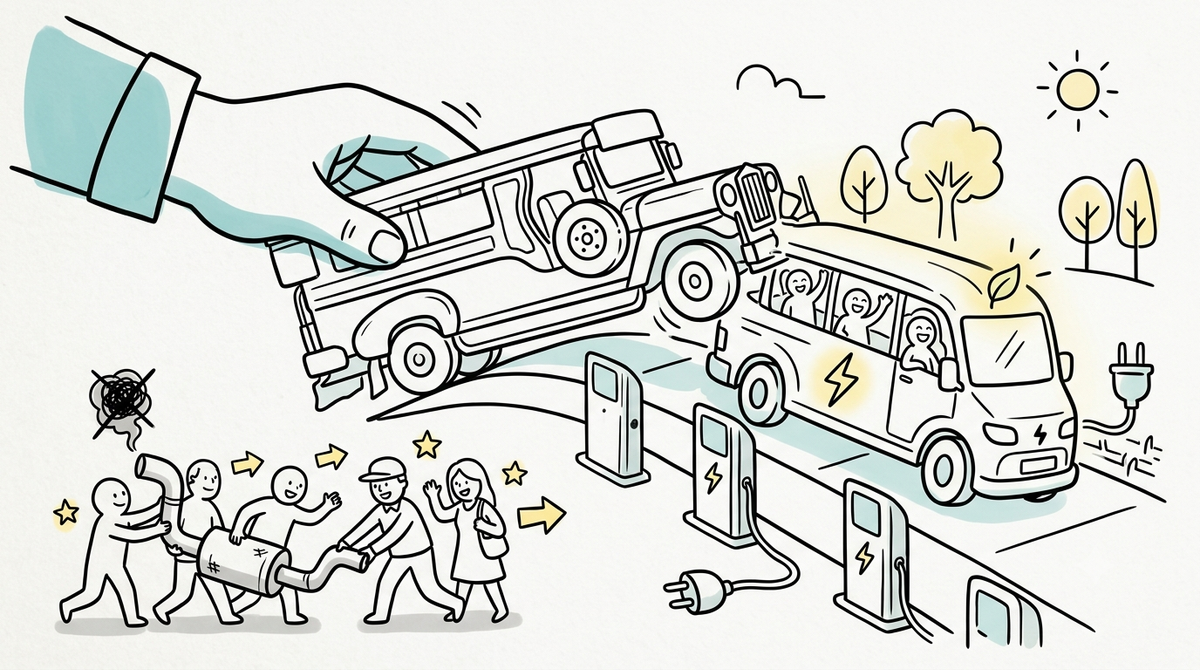
Filipino vehicle manufacturer Francisco Motors is investing $100 million in electric vehicle production, bringing both new opportunities for local manufacturing and significant transition challenges for daily commuters, drivers, and transport operators.
Every day, millions of Filipinos rely on the traditional jeepney to reach work, school, and market centers. It remains the backbone of urban and rural transit across the country.
Recently, historic local manufacturer Francisco Motors announced plans to invest $100 million to produce two electric vehicle (EV) models, including an electrified version of the iconic jeepney. While headline news focuses heavily on investment figures and green technology, ordinary Filipinos are left asking a far more urgent question: What does this mean for our daily budget, our local jeepney drivers, and our daily commute?
What Happened
Francisco Motors is taking steps to manufacture electric jeepneys locally under government incentive programs. The $100 million investment aims to build production capacity for EV models designed specifically for Philippine roads.
This initiative sits at the intersection of two major national trends: the push to modernize public utility vehicles (PUVs) and the effort to build a local electric vehicle manufacturing industry rather than relying entirely on imported vehicles.
Why This Matters
Public transportation in the Philippines is not just an industry; it is a vital social safety net. When fuel prices surge, transport operators struggle to make a profit, and workers face rising daily expenses.
Local EV production matters because it attempts to address two problems at once:
- Reducing dependence on imported diesel, which leaves public transport vulnerable to global oil market spikes.
- Keeping manufacturing value within the country, ensuring that assembly jobs, body building, and replacement parts production stay local rather than being outsourced overseas.
What the Headlines Don't Explain
While news reports highlight corporate plans and government incentives, three key realities shape how this transition will actually feel on the ground:
1. The Real Cost Is the Battery, Not Just the Vehicle
An electric jeepney’s initial price tag is significantly higher than a standard diesel unit, largely due to the battery pack. If operators are forced to absorb high upfront costs through heavy debt, those costs eventually trickled down to daily commuters in the form of higher fare requests.
2. The Maintenance Ecosystem Must Change
Traditional jeepney drivers and operators rely on neighborhood mechanics who know diesel engines inside and out. Moving to electric drivetrains means traditional maintenance routines will no longer apply. Without local, affordable repair options for EV systems, small operators risk long downtime whenever a vehicle breaks down.
3. Local Production vs. Foreign Imports
Imported electric vehicles often come with expensive, proprietary spare parts that take weeks to arrive. Local manufacturing means replacement parts are built and sourced domestically, making repairs quicker and more affordable for local transport cooperatives.
How This Could Affect Ordinary Filipinos
+------------------+----------------------------------+----------------------------------+
| Group            | Potential Challenges             | Practical Opportunities          |
+------------------+----------------------------------+----------------------------------+
| Daily Commuters  | Short-term risk of fare increases| Cleaner air, quieter rides, and  |
|                  | during fleet transitions.        | more stable long-term fare rates.|
+------------------+----------------------------------+----------------------------------+
| Jeepney Drivers  | Learning curve for EV operation  | Lower daily fuel expenses;       |
| & Operators      | and managing vehicle debt.       | less physical fatigue from noise.|
+------------------+----------------------------------+----------------------------------+
| Local Mechanics  | Risk of job displacement if      | New opportunities for technical  |
|                  | lacking electronics training.    | upskilling in EV maintenance.    |
+------------------+----------------------------------+----------------------------------+
Impact on Communities and Vulnerable Groups
- Low-Income Families: Every peso added to daily transport costs directly reduces what a household can spend on food, utilities, and medicine. Transition policies must ensure fare structures remain equitable.
- Jeepney Drivers and Operators: Many drivers operate on thin daily margins under the traditional boundary system. Shifting to an electric fleet requires a complete change in how they manage daily cash flow and vehicle upkeep.
- Roadside Residents, Seniors, and Children: Respiratory illnesses caused by concentrated vehicle emissions heavily affect low-income neighborhoods along busy transit corridors. Eliminating tailpipe emissions on major jeepney routes offers immediate health benefits for vulnerable residents.
Practical Takeaways
Understanding this transition allows local communities to prepare and adapt effectively:
- For Drivers and Operators — Focus on Financial Awareness: Navigating modernization requires moving beyond day-to-day cash management. Transport workers need practical grounding in financial literacy, co-op management, and evaluating loan terms. Utilizing community-based financial awareness programs can help operators evaluate whether battery leasing or cooperative ownership fits their situation.
- For Local Workers — Build Livelihood Readiness: As local assembly plants and EV servicing shops develop, there will be growing demand for basic electrical and assembly skills. Youth and displaced mechanics should seek out community learning programs and vocational training centered on digital and technical upskilling.
- For Commuters — Engage in Local Transport Planning: Commuters should stay informed through local community hubs and transport dialogues to understand route changes, fare structures, and fleet updates in their municipalities.
Looking Ahead
The transition to electric public transport is inevitable, but its success will not be measured solely by the number of vehicles produced. It will be measured by whether ordinary transport workers can transition without losing their livelihoods, and whether low-income families can continue to afford their daily commutes.
Local manufacturing by Filipino companies is a step in the right direction, but technology alone is insufficient. Social support, fair financing models, and accessible community education must accompany every step of the shift.
Francisco Motors’ $100 million investment in electric jeepneys represents more than just a corporate expansion—it is a glimpse into the future of Philippine public transit. By looking beyond headline figures and understanding the practical, financial, and community implications, ordinary Filipinos can better prepare for the changes ahead and advocate for a transport system that is clean, sustainable, and fair to all.

Power Our Mission, Shape the Future
We empower single parents, PWDs, youths, seniors, and stay-at-home parents through digital livelihood.
Help us build resilient communities.
BUKLURAN remains open to partnerships, sponsorships, and collaborative initiatives that create meaningful community impact.
Whether through funding, in-kind support, volunteerism, or shared services, your organization can help strengthen programs that serve underserved communities.
Do you want to take part in our free livelihood programs, scholarship assistance, and community resource pooling initiatives? Membership is completely free.
Join BUKLURAN!
Register, volunteer, and become a member today.