Empowering Social Impact: How Modern Digital Tools Transform Non-Profit Capacity
Learn how non-profits can leverage modern AI tools to streamline workflows, strengthen capacity, and deepen community impact.
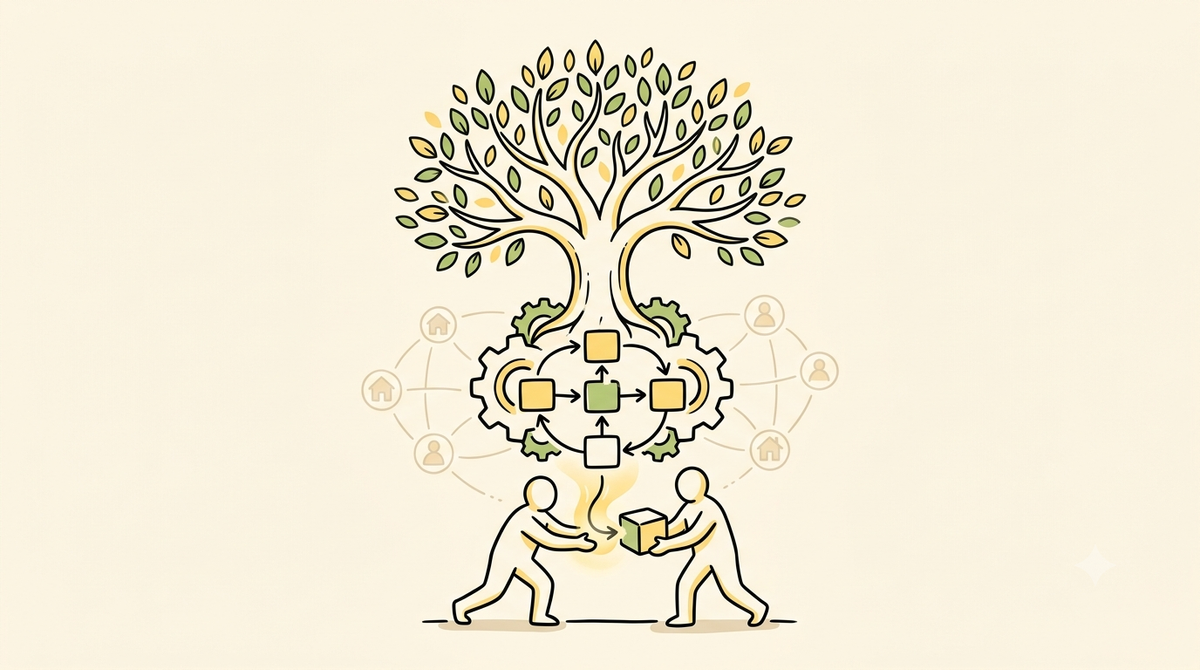
Non-profit organizations face increasing demands to deliver meaningful community impact while managing limited staff and resources. This article explores key takeaways from the recent "Cowork For Nonprofits" learning session, examining how collaborative AI tools can streamline operations and amplify grassroots public service. By focusing on practical capacity building, social sector leaders can translate technical tools into lasting community support.
Across the non-profit sector, dedicated teams work tirelessly on the front lines of community development, disaster response, advocacy, and social welfare. Yet, behind every successful grassroots program or public service initiative lies a persistent operational challenge: how to do more with limited time, funds, and personnel. Program coordinators, community organizers, and executive directors frequently find themselves juggling complex reporting requirements, grant applications, donor communications, and field operations—often simultaneously.
This administrative load can pull valuable focus away from direct community engagement. When team members spend hours on routine data entry, drafting proposals from scratch, or manually organizing meeting notes, the momentum of vital community projects slows down. The challenge facing today's social sector is not a lack of vision or dedication, but a constraint on bandwidth.
As digital technology evolves, new tools are emerging that offer social impact leaders fresh approaches to daily tasks. The central question is no longer whether non-profits should adopt digital tools, but how they can integrate technology in ways that remain deeply human-centered, ethical, and grounded in community service.
WHY THIS TOPIC MATTERS
To understand why technical capacity matters so deeply to the non-profit sector, one must examine the environment in which modern organizations operate. Non-profits are increasingly tasked with addressing complex, interconnected challenges—from environmental resilience and local economic development to educational access and public health. Navigating these issues requires fast communication, clear data management, and continuous adaptation.
However, non-profits historically encounter a significant "technology gap." While commercial enterprises rapidly adopt cutting-edge productivity software, mission-driven organizations often work with legacy systems or under-resourced administrative infrastructure. This gap creates several compounding challenges:
- Resource Strain: Small teams spend disproportionate amounts of time on operational overhead rather than direct program delivery.
- Burnout and Turnover: High administrative loads exhaust staff members, reducing long-term organizational sustainability.
- Communication Delays: Slower document drafting and reporting cycles can delay grant funding, policy responses, and stakeholder updates.
- Knowledge Silos: Insights gathered from community feedback often remain trapped in unstructured documents, preventing organizations from learning and scaling effectively.
When non-profits gain access to intuitive digital platforms and collaborative artificial intelligence, the operational dynamic shifts. By automating repetitive tasks, summarizing extensive research, and streamlining written communication, these tools help small teams operate with expanded capacity. Ultimately, building technical literacy within the social sector is not merely about convenience; it is about ensuring that resources and energy flow back to the communities that need them most.
Event Objectives
The recent learning session brought together non-profit leaders, social innovators, and technical specialists to examine practical applications of AI and digital collaboration tools within mission-driven work. The primary goals of the session included:
- Demystifying Collaborative AI: Demonstrating how modern language models and digital workspace tools function in everyday non-profit workflows.
- Identifying Practical Use Cases: Exploring concrete scenarios—such as grant drafting, outreach campaign planning, policy analysis, and report generation—where AI assists staff safely and effectively.
- Strengthening Organizational Efficiency: Providing actionable strategies for small and medium-sized teams to reduce administrative burdens without sacrificing quality or ethical oversight.
- Promoting Responsible Technology Adoption: Highlighting the importance of data privacy, human oversight, and alignment with organizational values when implementing new digital systems.
Key Insights and Takeaways
Throughout the session, participants engaged with key concepts that highlighted how intelligent co-working platforms can assist daily operations. Rather than replacing human judgment, these technologies serve as adaptive partners that augment human expertise.
1. AI as a Collaborative Thought Partner
One of the central insights from the discussion was viewing AI tools not as autonomous decision-makers, but as interactive thought partners. Non-profit professionals frequently work in small teams where brainstorming options or getting a second pair of eyes on a draft is difficult due to time constraints. Collaborative platforms allow staff to quickly generate outline structures, refine messaging, and test ideas before implementation.
2. Accelerating Document Generation and Grant Work
Grant proposals, stakeholder briefings, and impact reports are essential for non-profit sustainability, yet drafting them consumes vast amounts of time. The session showcased how AI tools can synthesize project notes, structure complex narratives, and adapt existing project summaries for different grant requirements. By using AI to generate initial drafts, development teams can shift their energy toward refining strategy, verifying facts, and emphasizing real community stories.
3. Enhancing Knowledge Accessibility
Non-profits generate substantial amounts of valuable field data, meeting transcripts, and project evaluations. However, retrieving specific insights from years of accumulated files can be daunting. Modern tools make it possible to query internal knowledge bases quickly, enabling teams to summarize lessons learned, identify trends in community feedback, and draft evidence-based policy briefs in a fraction of the time.
4. Maintaining the Human Core
A recurring emphasis across all demonstrations was that technology must remain subservient to community values. Human oversight is essential at every step—ensuring that drafted content reflects local context, maintains empathy, adheres to data protection guidelines, and accurately captures community voices. The goal of technological efficiency is always to create more space for direct, meaningful human connection.
Event Snapshot
- Event Title: Cowork For Nonprofits
- Host Organization: Anthropic (Claude for Nonprofits)
- Date: July 9, 2026
- Platform: Online Learning Webinar
This virtual workshop was organized to support non-profit organizations, advocates, and social sector professionals seeking to integrate modern AI productivity tools into their day-to-day operations. Through live demonstrations, real-world case studies, and interactive discussions, participants learned practical methods for adapting AI capabilities to the unique needs of mission-driven initiatives.
From Learning to Community Impact
Knowledge gains true value when it is translated into actions that benefit people. For network organizations like BUKLURAN—and the broader ecosystem of grassroots non-profits, civil society groups, and public service providers—adopting smart administrative tools directly strengthens community outcomes.
When non-profit professionals reduce the time spent on routine paperwork, the tangible benefits ripple outward:
- Faster Community Response: Organizations can prepare project proposals, emergency relief plans, and public advisories much faster, responding quickly to emerging community needs.
- Deeper Stakeholder Engagement: Time saved on backend administration allows staff to spend more hours in the field, listening to community members, conducting participatory workshops, and building authentic relationships.
- Stronger Capacity for Small Organizations: Grassroots groups that lack large administrative departments can use accessible AI tools to level the playing field, producing high-quality grant applications and outreach materials that secure vital funding.
- Sustained Organizational Health: By alleviating daily burnout associated with administrative overload, non-profits retain skilled talent, preserving institutional knowledge and maintaining long-term program continuity.
By grounding digital adoption in community-centered goals, technology becomes a meaningful driver of equity and resilience across the social sector.
Looking Ahead
The landscape of public service and community development is continually evolving. To meet new challenges effectively, non-profit organizations must cultivate a culture of continuous learning, adaptation, and responsible innovation. Equipping staff with modern tools is not a one-time upgrade; it represents an ongoing commitment to organizational growth and service excellence.
As artificial intelligence and digital collaboration software become standard across sectors, non-profits have a unique opportunity to lead by example. By pairing innovative technology with deep empathy, ethical leadership, and local knowledge, the social sector can build stronger, more responsive systems that truly serve the public interest.
Join the Conversation
Every meaningful change begins with learning, reflection, and conversation. As communities continue to navigate new challenges and opportunities, the exchange of knowledge remains one of our most valuable tools. We invite readers, advocates, professionals, and community members to continue exploring ideas that strengthen public service, empower local initiatives, and help build a more informed and resilient society.
How is your organization approaching digital transformation and capacity building? What tools or practices have helped your team focus more energy on direct community impact? Share your thoughts, insights, and experiences with us as we continue learning together.
Cowork For Nonprofits
July 9, 2026
Virtual
Organizational Development

This initiative was independently funded by the BUKLURAN Officers through personal contributions.
We gratefully acknowledge the groups and individuals who shared resources, services, venues, supplies, and other forms of community support.
• Anthropic
BUKLURAN remains open to partnerships, sponsorships, and collaborative initiatives that create meaningful community impact.
Whether through funding, in-kind support, volunteerism, or shared services, your organization can help strengthen programs that serve underserved communities.