High-Tech Farms in the Philippines: What Agriculture Modernization Means for Everyday Consumers and Farmers
The Department of Agriculture (DA) is exploring Chinese smart farming technologies—including digital monitoring sensors, precision water and fertilizer management, and greenhouse controls—to modernize Philippine agriculture. While high-tech systems promise higher crop yields and stabilized food prices, making these tools accessible to small-scale farmers requires overcoming cost barriers, training gaps, and land fragmentation.
The Department of Agriculture (DA) announced that it is studying smart farming technologies from China to help modernize local crop production. Agriculture Secretary Francisco Tiu Laurel Jr., following an inspection of high-tech fruit and vegetable facilities in Zhejiang province, emphasized that adopting proven digital agricultural models could help the country skip slow development stages and modernize farming systems faster.
For millions of Filipino households coping with fluctuating market prices for vegetables and staple foods, government plans to modernize agriculture sound promising. However, turning high-tech agricultural concepts into lower food prices in neighborhood markets requires overcoming significant real-world challenges.
DA Keen on Adopting China's Smart Farming to Modernize PH Agriculture
Studying modern agricultural practices and smart technologies to assess adaptability for Philippine local farming conditions.
A facility operated by Zhejiang Huihong Biotechnology Co. Ltd. in China, demonstrating advanced smart fruit and vegetable production.
“There's nothing wrong with copying the success of others if it will help others.”
What Happened
On August 24, 2026, a delegation led by Agriculture Secretary Francisco Tiu Laurel Jr. visited the Zhejiang Huihong Fruit and Vegetable Farm in China. The DA reviewed several key operational systems during the visit:
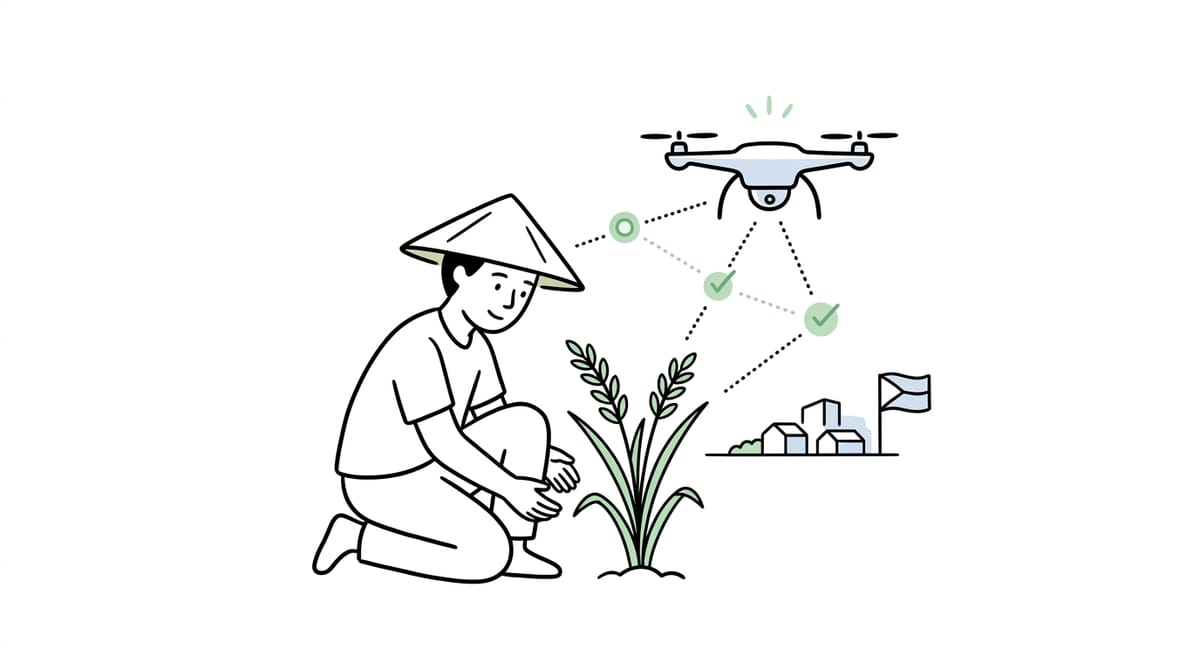
- Digital Crop Monitoring: Sensors that track soil nutrients, moisture levels, humidity, and air temperature in real time.
- Precision Resource Management: Automated systems that deliver exact doses of water and fertilizer directly to plants, reducing waste.
- Controlled Greenhouses: Enclosed growing environments that protect crops from typhoon damage, extreme heat, and severe pest infestations.
Secretary Tiu Laurel stated that the DA is actively evaluating how these ecological planting models, precision agriculture methods, and technology transfers can be adapted to match local growing conditions across the Philippines.
Why This Matters
Agriculture remains the backbone of rural Philippine livelihoods, yet local farming continues to suffer from extreme weather, soil degradation, and high production costs.
When farmers rely entirely on manual labor, traditional weather guesswork, and untargeted fertilizer application, crop yields remain low while expenses stay high. By introducing digital controls, smart farming minimizes wasted inputs and stabilizes crop production. If implemented effectively at scale, consistent crop yields translate directly to stable food supplies in local public markets (palengke).
What the Headlines Don't Explain
While the headline highlights high-tech farming adoption, several crucial factors govern whether these technologies can succeed on Philippine soil:
- High Setup Costs: Automated greenhouses, digital sensor arrays, and precision irrigation require substantial upfront capital. The average small-scale Filipino farmer, managing less than two hectares of land, cannot afford these tools independently.
- Land Fragmentation: Most smallholder farms across the country are divided into small, non-contiguous plots. Smart farming equipment achieves maximum cost-efficiency on large, consolidated tracts of land.
- Digital and Physical Infrastructure Limits: Precision agriculture systems rely on steady internet connectivity for real-time monitoring and reliable electricity to run automated pumps and sensors—two services that remain inconsistent in many rural farming provinces.
- Skills and Adaptation Gaps: Transitioning from traditional farming methods to digital dashboards requires hands-on technical training, ongoing technical support, and accessible repairs for hardware breakdowns.
How This Could Affect Ordinary Filipinos
For Household Budgets and Consumers
- More Stable Produce Prices: Controlled greenhouse farming shields high-value fruits and vegetables from heavy rains and typhoons, helping prevent sudden price spikes during monsoon seasons.
- Better Produce Quality: Precision fertilization and integrated pest management can yield cleaner, more consistent fruits and vegetables on grocery shelves and market stalls.
For Small Farmers and Agriculture Workers
- Risk of Technology Divide: If smart farming tools are accessible only to large commercial agribusinesses, small farmers face the risk of being outcompeted on production costs and market pricing.
- Need for Cooperatives: To afford shared infrastructure like smart greenhouses or automated irrigation systems, smallholder farmers will increasingly need to organize into strong agricultural cooperatives.
For Rural Communities and Youth
- New Technical Roles: Modernizing agriculture introduces technology-centered roles—such as digital system operators, drone technicians, and precision agronomists—creating opportunities that can encourage younger generations to remain in agricultural careers.
What People Should Know: Breaking Down Smart Agriculture Terms
Understanding agricultural policy announcements becomes much easier once you know the core concepts:
- Precision Agriculture: Applying water, fertilizer, and crop protection strictly where and when needed, based on data rather than routine schedules.
- Technology Transfer: An agreement where a country or company shares technical knowledge, equipment blueprints, or scientific processes with another region to build local capacity.
- Ecological Farming: Agricultural practices that focus on long-term soil health, biological pest controls, and minimal chemical runoff to protect local water systems.
Practical Takeaways
- Monitor Local Agricultural Cooperatives: Farmers and landholders should check with regional DA offices or municipal agriculture officers regarding upcoming cooperative support programs, grant opportunities, or machinery sharing arrangements.
- Watch for Food Supply Trends: While tech adoption takes time, expanded greenhouse capacity nationwide will gradually help stabilize off-season prices for staple vegetables like tomatoes, onions, and leafy greens.
- Support Community Education and Skills Training: As digital tools enter the agricultural sector, rural communities benefit from joining local learning initiatives focused on digital literacy, small business management, and modern farm administration.
Looking Ahead
The Department of Agriculture's exploration of Chinese smart farming technology marks an exploratory step toward agricultural modernization. What remains to be seen is how the government plans to finance, scale, and distribute these tools.
To create lasting public benefit, future policy rollouts must clarify whether implementation will center on government-funded demonstration farms, subsidized technology loans for farm cooperatives, or private sector partnerships.
Modernizing Philippine agriculture through smart technology holds clear potential to secure the national food supply and protect crops from severe weather. However, the true measure of success lies in accessibility. For smart farming to benefit ordinary Filipinos, solutions must be affordable and practical for small-scale farmers—ensuring that higher productivity at the farm level leads directly to stable food prices for every household.

Power Our Mission, Shape the Future
We empower single parents, PWDs, youths, seniors, and stay-at-home parents through digital livelihood.
Help us build resilient communities.
BUKLURAN remains open to partnerships, sponsorships, and collaborative initiatives that create meaningful community impact.
Whether through funding, in-kind support, volunteerism, or shared services, your organization can help strengthen programs that serve underserved communities.
Do you want to take part in our free livelihood programs, scholarship assistance, and community resource pooling initiatives? Membership is completely free.
Join BUKLURAN!
Register, volunteer, and become a member today.