House Adopts Senate Bill on BSKE: Postponing Elections to 2028 and Extending Local Terms to Five Years
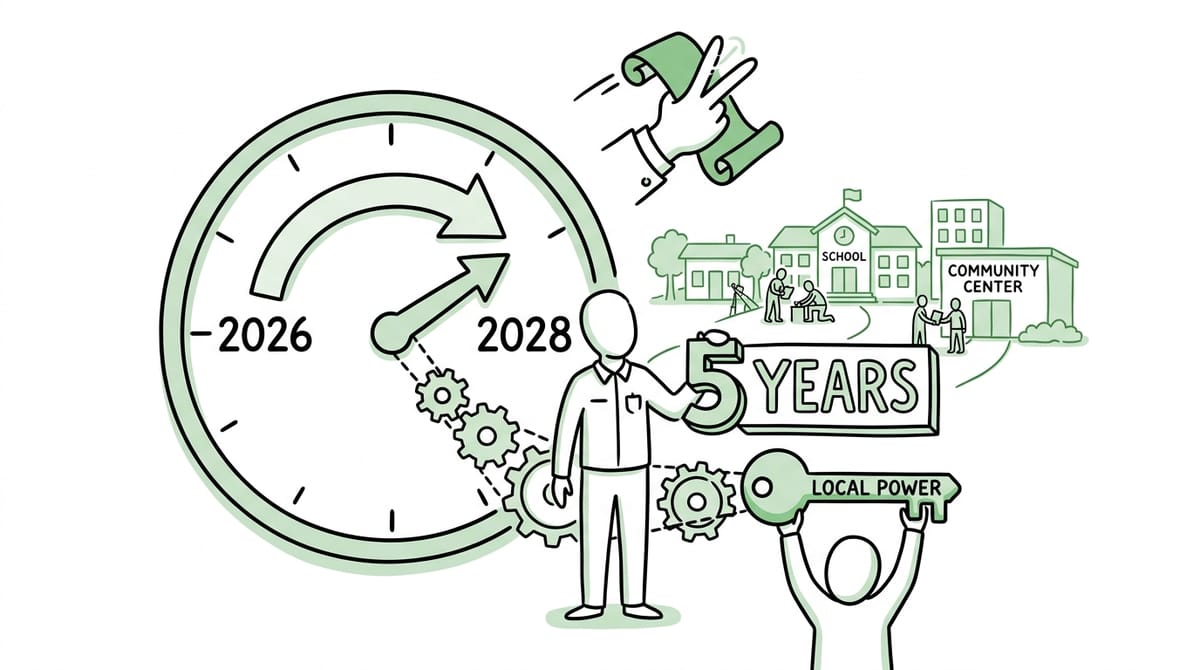
The House of Representatives adopted Senate Bill No. 2387, bypassing bicameral reconciliation to send a measure postponing the November 2026 Barangay and Sangguniang Kabataan Elections (BSKE) to November 2028 directly to the President. The bill extends local official terms from four to five years, locking incumbent leaders in place for an additional two years while reshaping local governance and community project timelines across the Philippines.
3-Year Term Reset: House Adopts Senate Bill Moving BSKE to May 2026
Key Legislative Details
- The House of Representatives officially adopted Senate Bill 2816 to align election schedules.
- Synchronizes future Barangay and Sangguniang Kabataan Elections (BSKE) to occur every 3 years following May 2026.
- Prevents legislative overlap with national and local elections while stabilizing local governance terms.
On September 16, 2026, the House of Representatives formally adopted Senate Bill No. 2387, agreeing to harmonize legislative measures and forgo a bicameral conference committee. The bill seeks to postpone the scheduled November 2, 2026 Barangay and Sangguniang Kabataan Elections (BSKE) to the second Monday of November 2028. By adopting the Senate version, Congress has placed the measure directly on the desk of President Ferdinand Marcos Jr. for signature or veto.
If enacted into law, this legislation will extend the current terms of incumbent barangay and youth council officials elected in October 2023 from four years to five years. Moving the elections to 2028 provides incumbent leaders two additional years in office, effectively aligning future local polls to a five-year cycle. For ordinary Filipino households, this decision holds direct implications for neighborhood leadership, local development projects, and public accountability at the grassroots level.
What happened?
The legislative push to alter the barangay electoral calendar reached a decisive point as both chambers of Congress aligned their proposals.
- Adoption of Senate Version: Sorsogon Representative Marie Bernadette Escudero moved in the House plenary session to adopt Senate Bill No. 2387 as an amendment to House Bill No. 10971. The motion passed via voice vote without opposition.
- New Election Schedule: The bill resets the next nationwide BSKE from November 2, 2026, to the second Monday of November 2028, establishing a regular five-year election cycle thereafter.
- Term Adjustments & Limits: Incumbent officials elected in 2023 will serve until November 2028, with their extended tenure considered a full five-year term. Under the measure, barangay officials remain subject to a maximum of two consecutive terms, while SK officials are limited to a single term. Officials currently serving their final permitted term will remain barred from seeking reelection to the same position in 2028.
- Unspent Election Budget: Of the approximately ₱19.57 billion allocated to the Commission on Elections (Comelec) for the 2026 polls, unspent funds will be preserved and redirected toward future electoral operations, including the 2028 national and local elections.
Why it matters
Barangays operate as the primary planning and implementing units of government policies, programs, and community rules in the Philippines. They serve as the most immediate point of contact between citizens and the state.
Proponents of the extension, led by Senate President Francis Escudero, argue that a longer five-year tenure gives local officials sufficient time to plan, fund, and execute multi-year infrastructure, social welfare, and public safety initiatives without constant electoral disruption. Frequent campaign cycles can derail ongoing community projects and shift local focus away from basic service delivery.
Conversely, opposing lawmakers, youth advocates, and civil society groups contend that repeated election postponements deprive citizens of their fundamental right to regularly review, re-elect, or replace their local leaders. Because local councils manage frontline services—ranging from dispute resolution and peace and order to health clearances and calamity response—the extension directly affects how responsive local governments remain to neighborhood concerns.
What the source does not explain
While news coverage focuses heavily on parliamentary procedures and political debate within Congress, several structural realities deserve equal attention:
- Impact on Youth Governance (SK): Sangguniang Kabataan officials are subject to strict statutory age limits (18 to 24 years old while in office). Extending terms without adjusting age thresholds means many sitting SK leaders will age out during their tenure, potentially limiting the entry of younger youth representatives into grassroots governance over the next two years.
- Implementation Continuity vs. Stagnation: A longer tenure can foster stability for high-performing barangay councils running active livelihood, health, or infrastructure programs. However, in communities where local leadership is inactive or unresponsive, residents must wait an additional two years before exercising their vote to introduce new leadership.
- Fiscal Reallocation: Postponing polls avoids immediate electoral expenses for Comelec, but local government units (LGUs) must continuously manage their Barangay Development Funds (BDF) across an extended timeframe, requiring careful budget allocation and oversight.
How this may affect Filipinos
The extension of local terms affects daily life at the neighborhood level in distinct ways across different groups:
- Low-Income Families & Underserved Communities: Barangays oversee primary social welfare distribution, local health center operations, emergency aid, and community clearing operations. Residents depend on active local officials to advocate for local needs and implement national assistance programs smoothly.
- Youth & Student Councils: SK councils manage funds earmarked specifically for youth development, sports, digital literacy, and educational assistance. The two-year extension means youth programs will remain under the direction of current SK officers through 2028, deferring leadership opportunities for incoming youth leaders.
- Local Entrepreneurs & Micro-Businesses: Small vendors and sari-sari store owners rely on barangay halls for basic clearances, local permits, and community peace keeping. Stable local policies can benefit micro-enterprises, provided local ordinances remain fair and consistently enforced.
What people should know
Understanding the distinction between political tenure and community development helps citizens evaluate what this legislative change means in practice:
BSKE Term Reform: Current Status vs. Proposed Legislation
| Feature | Current Status (2023–2026) | If Signed into Law (2023–2028) |
|---|---|---|
| Next BSKE Date | November 2, 2026 | Second Monday of November 2028 |
| Official Term Length | 4 Years | 5 Years |
| Barangay Term Limits | 2 Consecutive Terms | 2 Consecutive Terms |
| SK Term Limits | 1 Term | 1 Term |
| Electoral Cycle | Quadrennial | Every 5 Years |
- Legal Status: The bill is not yet final law; it is awaiting presidential review. President Marcos may sign the measure into law, allow it to lapse into law after 30 days without action, or exercise a veto.
- Accountability Remains Active: A longer term does not exempt local officials from public oversight. Citizens maintain the legal right to attend Barangay Assemblies, inspect public financial postings via the Full Disclosure Policy board, and report misconduct or non-performance to the Department of the Interior and Local Government (DILG).
What people can do or prepare for
Rather than waiting passively for the next election cycle, residents can actively engage with their local barangay leadership to ensure community needs are met:
- Attend Barangay Assemblies: Participate in mandatory semi-annual Barangay Assemblies to review local financial statements, hear performance reports, and raise neighborhood concerns directly.
- Monitor Local Development Spending: Review how the barangay's 20% Development Fund, 5% Disaster Risk Reduction Management Fund, and SK funds are allocated and spent on community safety, sanitation, and social support.
- Engage Community Groups: Work alongside non-governmental organizations, civic associations, and neighborhood groups to present constructive proposals for livelihood training, digital literacy, and youth development directly to the barangay council.
What to watch next
As the measure transitions from the legislature to the executive branch, key developments to follow include:
- Executive Action: Whether President Marcos signs the bill, lets it lapse into law, or returns it to Congress with veto recommendations.
- Comelec Guidelines: Formal announcements from Comelec regarding the suspension of voter registration activities or operational adjustments prepared for the 2026 timeline.
- Supreme Court Petitions: Potential legal challenges filed before the Supreme Court regarding the constitutionality of postponing local elections and fixing terms via legislation, echoing previous constitutional challenges surrounding election delays.
BUKLURAN Connection
Community progress relies on active civic participation regardless of electoral schedules. Non-profit, non-stock organizations like BUKLURAN NG KALINGA NG MAMAMAYANG DISTRITO SINGKO INC. operate independently of political cycles to support sustainable family and community development.
Through initiative models such as the 3-Generation Community Development Model, community welfare does not pause when elections are deferred. While local government officials manage statutory public services, civil society groups complement these efforts by facilitating practical community learning programs, digital literacy workshops, and cooperative livelihood mechanisms like the BUKLURAN HUB. Sustained community progress depends on continuous cooperation between informed residents, organized community groups, and accountable local governance.
The decision of Congress to adopt a five-year term for barangay and SK officials and move the next local elections to November 2028 marks a significant shift in Philippine local governance. While a longer tenure offers elected leaders extended operational stability to execute long-term projects, it places a higher responsibility on citizens to remain vigilant and engaged. Electoral postponement underscores the need for active public participation, transparent local budgeting, and continuous community-led initiatives to ensure grassroots governance genuinely serves the public interest.
Power Our Mission, Shape the Future
We empower single parents, PWDs, youths, seniors, and stay-at-home parents through digital livelihood.
Help us build resilient communities.
BUKLURAN remains open to partnerships, sponsorships, and collaborative initiatives that create meaningful community impact.
Whether through funding, in-kind support, volunteerism, or shared services, your organization can help strengthen programs that serve underserved communities.
Do you want to take part in our free livelihood programs, scholarship assistance, and community resource pooling initiatives? Membership is completely free.
Join BUKLURAN!
Register, volunteer, and become a member today.