How Community Development Grants Support Local Livelihood and Education in the Philippines
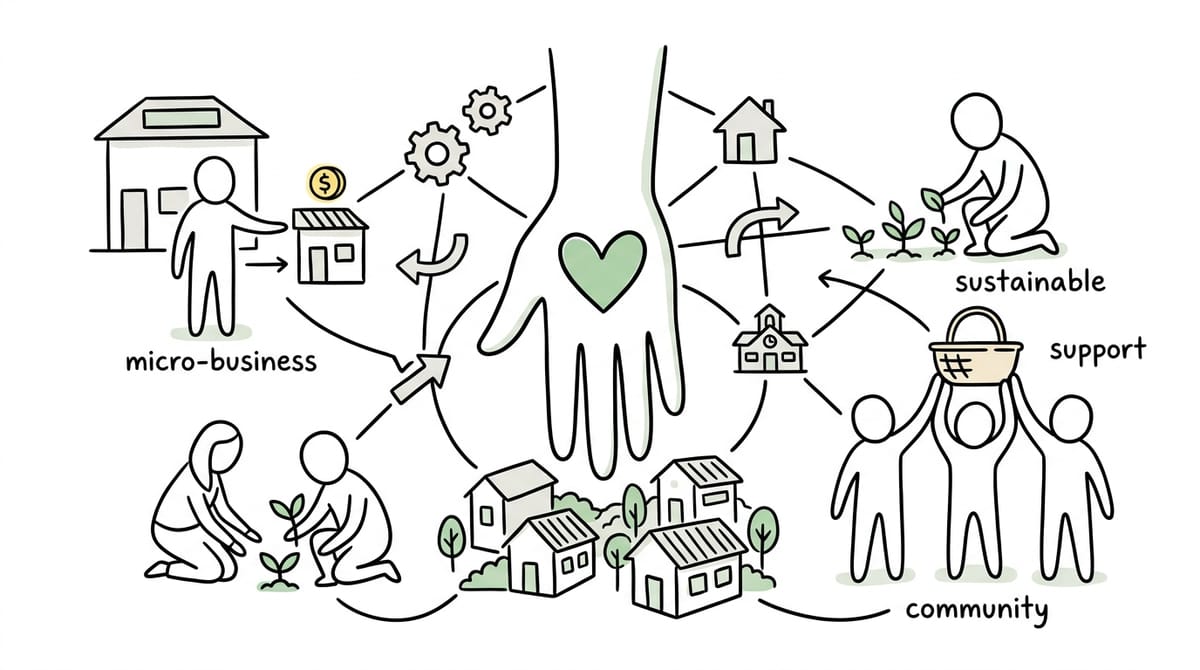
The Cebuana Lhuillier Foundation, Inc. (CLFI) has opened applications for its Community Development Partnership Grant Program. Ranging from ₱100,000 to ₱2,000,000, these grants target local non-profit organizations, youth groups, and community associations. This article explains how grant funding operates, why grassroots involvement matters, and how local communities can benefit from these development funds.
Grassroots non-profit organizations and community groups often serve as the first line of support for Filipino families. From managing neighborhood feeding activities to running local skills workshops, these organizations directly address everyday challenges. However, sustained community action requires capital.
The Cebuana Lhuillier Foundation, Inc. (CLFI) announced its Community Development Partnership Grant Program, offering grant options between ₱100,000 and ₱2,000,000 to non-government organizations (NGOs) and community initiatives across the country.
Understanding how these grant programs function helps ordinary citizens, local volunteers, and neighborhood leaders see how developmental funding flows directly into community welfare.
Community Development Partnership Grant Program (Philippines)
"Designed to strengthen community capacity, expand economic resilience, and support grassroots non-profits across the Philippines."
What Happened
The CLFI Community Development Partnership Grant Program provides direct funding to eligible Philippine organizations implementing projects in primary focus areas:
- Education and Youth Development: Initiatives aimed at keeping students in school, providing learning tools, and teaching practical skills to young people.
- Sustainable Livelihood: Projects designed to increase household income, develop small business skills, and strengthen local economic resilience.
- Community Empowerment: Programs that build local capacities, improve civic participation, and support underserved sectors.
The grant structure offers three tiers based on scale: Small Grants (₱100,000 to ₱300,000) for pilot or neighborhood-level projects, Medium Grants (₱300,001 to ₱1,000,000) for multi-site expansions, and Large Grants (up to ₱2,000,000) for broad regional initiatives. Applications for this funding cycle remain open until October 31, 2026.
Why This Matters to Ordinary Filipino Households
While grants are awarded directly to formal organizations, the real beneficiaries are local residents. When an NGO or local association secures a development grant, the resources translate into tangible community services.
For low-income families, single parents, and informal workers, well-funded community projects mean improved access to vital support structures without adding to household expenses. Grants remove the burden of self-funding from vulnerable communities, ensuring that social services, learning materials, and livelihood tools reach the grassroots level free of charge.
What Headlines Don't Fully Explain
Grant announcements often sound like distant corporate news, but several key factors determine their actual impact on the ground:
- Grants Are Not Individual Handouts: Grant funds are allocated for structured community projects rather than direct cash distributions to individual households.
- Organizational Readiness Matters: Securing funding requires formal registration (such as SEC or CDA registration), clear project proposals, and verified financial controls. Small, unregistered neighborhood groups often miss out unless they partner with established organizations.
- Focus on Sustainability: Funding partners prioritize projects that build long-term capacity—such as establishing community distribution hubs or skills programs—over short-term, one-off giveaways.
- Cross-Cutting Priorities: Grants increasingly require projects to integrate digital inclusion, financial literacy, and disaster resilience into their primary activities.
How This Affects Different Sectors
- For Small Entrepreneurs and Stay-at-Home Parents: Livelihood grants help establish cooperative buying networks, micro-enterprises, and skill-building workshops, allowing residents to reduce daily household costs or start small home-based businesses.
- For Students and Youth: Education-focused grants provide learning kits, digital tools, and mentorship initiatives that support children from underserved families.
- For Community Leaders and Volunteers: Funding provides the operational tools, training materials, and logistics support necessary to execute meaningful neighborhood projects safely and efficiently.
What People Should Know About Community Resource Mobilization
Grassroots development relies on organized collaboration. Organizations like BUKLURAN (Bukluran ng Kalinga ng Mamayang Distrito Singko Inc.) utilize structured frameworks—such as the 3-Generation Community Development Model—to ensure that educational support for children, livelihood initiatives for parents, and capacity-building for the broader community work hand-in-hand.
When community groups align their initiatives with structured development models, they become far better prepared to manage external grant resources responsibly and transparently.
Practical Takeaways for Communities
- Inquire with Local Groups: Ask local community organizations, home-owner associations, or sectoral groups if they are participating in development partnerships or applying for project funding.
- Get Involved in Program Design: Community grants are most effective when local residents share their actual needs—whether for school supply assistance, digital literacy, or bulk commodity sourcing—during program planning.
- Verify Organizational Legitimacy: Ensure that any group claiming to collect information or run grant-backed programs is legitimate, non-stock, non-profit, and transparent about its governance.
Looking Ahead
As application windows for national community grant programs progress toward their deadlines, local organizations across the Philippines will be submitting proposals tailored to immediate community needs. Monitoring these opportunities enables neighborhood leaders to turn external funding support into lasting local progress.
Power Our Mission, Shape the Future
We empower single parents, PWDs, youths, seniors, and stay-at-home parents through digital livelihood.
Help us build resilient communities.
BUKLURAN remains open to partnerships, sponsorships, and collaborative initiatives that create meaningful community impact.
Whether through funding, in-kind support, volunteerism, or shared services, your organization can help strengthen programs that serve underserved communities.
Do you want to take part in our free livelihood programs, scholarship assistance, and community resource pooling initiatives? Membership is completely free.
Join BUKLURAN!
Register, volunteer, and become a member today.