New Tech Partnership Targets Online Scams: What It Means for Your E-Wallets and Bank Accounts
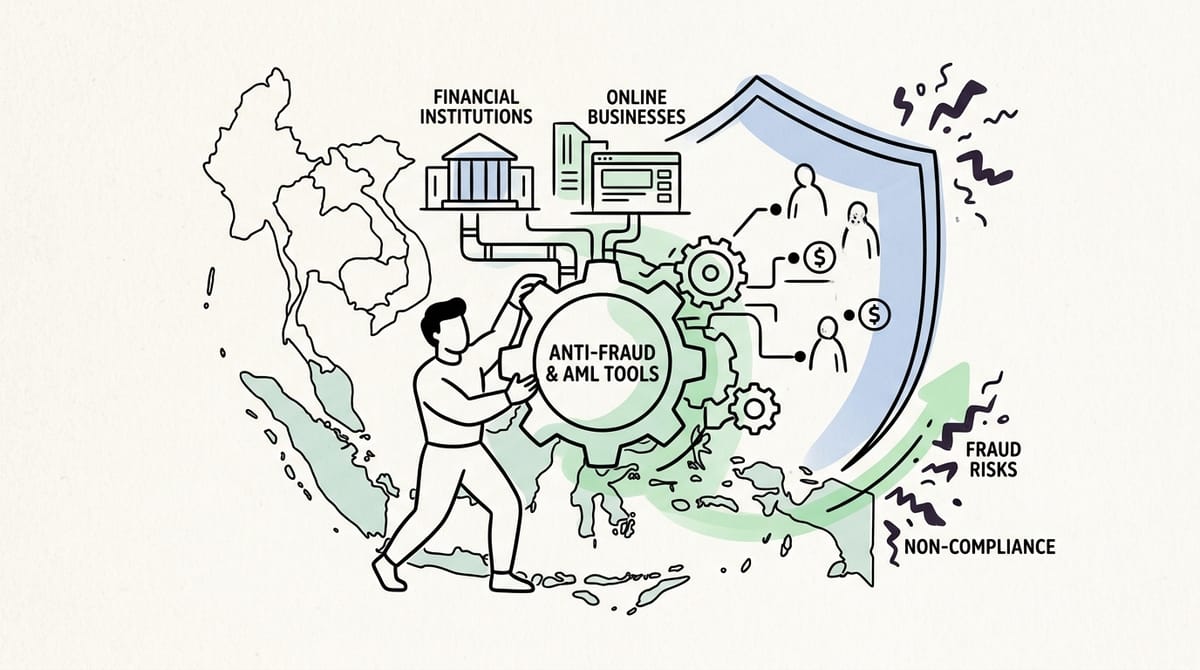
Global fraud prevention platform SEON has partnered with Philippine-focused software developer Exist Software Labs to expand enterprise fraud detection and Anti-Money Laundering (AML) solutions across the Philippines and Southeast Asia. While this is a business-to-business corporate move, the shift holds direct implications for everyday consumers: it signals tighter background security on financial apps, potentially smoother identity verification for legitimate users, and faster detection of suspicious online transactions.
Every day, millions of Filipinos transfer funds via mobile apps, order items through online marketplaces, and pay bills using digital wallets. But alongside this shift to cashless transactions, online scams, unauthorized account takeovers, and identity theft have become constant worries for household budgets.
To address these growing threats, fraud prevention firm SEON announced a partnership with regional software provider Exist Software Labs. Their goal is to roll out advanced fraud detection and Anti-Money Laundering (AML) software to financial institutions and digital businesses operating in the Philippines and across Southeast Asia.
While corporate software announcements rarely make everyday news, the systems running behind your favorite apps directly determine how safe your money is—and how easy or difficult it is to use digital financial services.
What Happened?
SEON, a technology company specializing in online risk management and fraud prevention, has joined forces with Exist Software Labs, a long-established software development firm serving enterprises in the Philippines and Southeast Asia.
Through this partnership:
- Exist Software Labs will integrate SEON’s fraud prevention and Anti-Money Laundering (AML) tools into the software solutions it builds for banks, fintech platforms, e-commerce stores, and online businesses.
- SEON gains a stronger distribution footprint in the Philippines, leveraging Exist’s existing network of enterprise clients.
- Financial institutions will receive access to real-time risk scoring, digital footprint analysis, and automated compliance tools aimed at curbing fraudulent transactions and illegal money laundering.
Why This Matters to Ordinary Filipino Consumers
When you log into a mobile banking app, register for a new e-wallet, or send money to a relative in the province, complex software is working behind the scenes. This software determines whether to let the transaction go through instantly, ask for additional verification (like an OTP or face scan), or block the transaction entirely.
When banks and financial platforms upgrade their fraud-fighting technology, consumers experience several concrete shifts:
- Better Protection Against Account Takeovers: Advanced fraud systems check digital footprints—such as device signals, network data, and email domain age—to catch scammers who try to log into your account from an unrecognized device before they can drain your funds.
- Fewer False Rejections: Outdated fraud filters sometimes freeze legitimate transactions, blocking law-abiding users who are simply traveling or sending money at unusual hours. AI-driven scoring aims to differentiate real user behavior from actual fraud patterns.
- Compliance with Money Laundering Laws: Regulators require financial providers to monitor illegal fund transfers. Stronger AML technology makes it harder for cybercriminals to use mules or fake accounts to launder stolen money.
SEON Partners with Exist Software Labs to Expand Fraud & AML Tools in Southeast Asia
AI-driven fraud prevention and AML platform providing real-time risk scoring, 900+ data signals, identity verification, and transaction monitoring.
Philippine technology firm with 20+ years of software engineering, cloud, and digital transformation expertise in banking, payments, and e-commerce.
“Combining Exist’s integration expertise with SEON’s real-time fraud and AML technology helps organizations bring signals into a single view and act faster.”
“We are expanding capabilities for our clients by combining advanced fraud prevention with Exist’s systems integration expertise.”
As Southeast Asia’s digital economy accelerates, financial institutions face fragmented fraud tools. This partnership allows businesses in banking, fintech, payments, e-commerce, and iGaming to deploy consolidated compliance controls without building infrastructure from scratch.
What Headlines Don't Explain: Key Technical Terms
To understand how these tools impact everyday users, it helps to decode the industry jargon used in technology news.
1. Fraud Detection Tools
These are automated rules and machine learning algorithms that inspect online activity in milliseconds. Instead of just checking if your password is correct, fraud tools examine parameters like your IP address, device model, and typing patterns to gauge whether the request is genuinely coming from you.
2. Anti-Money Laundering (AML)
AML refers to a set of laws, regulations, and technologies designed to stop criminals from disguising illegal funds as legitimate income. For digital platforms, AML systems flag unusual patterns—such as a brand-new account suddenly transferring hundreds of thousands of pesos in minutes.
3. Digital Footprint Analysis
When scammers open fake accounts using bought or stolen identity details, they often use disposable email addresses, burner phone numbers, or virtual private networks (VPNs). Tools like SEON analyze these public online footprints instantly during sign-up to catch bad actors before they can commit fraud.
How This Could Affect Different Sectors
Sectoral Impact of Enhanced Cybersecurity Defenses
Strengthening digital security measures creates distinct benefits and trade-offs across different segments of our community.
Greater defense against unauthorized account access, but users may encounter stricter identity verification steps when signing up for new services.
Small online merchants using digital payment gateways benefit from fewer fraudulent chargebacks and fake payment receipts.
Improved transaction monitoring helps ensure cross-border transfers and domestic cash-outs arrive securely without unnecessary delays.
Stronger server-side protection reduces reliance on manual security checks, offering a passive layer of defense against phishing links.
While technical safeguards protect merchants and vulnerable users behind the scenes, digital literacy outreach remains essential so everyday consumers can navigate new verification steps with confidence.
Practical Takeaways for Everyday Digital Safety
While financial institutions are upgrading their software systems, digital safety always remains a shared responsibility. Software tools protect the infrastructure, but scammers frequently target the human user directly through social engineering.
- Never Share Your One-Time Passwords (OTPs): System-level fraud tools protect your account on the server end, but sharing an OTP bypasses all security layers. No legitimate bank representative will ever ask for your OTP or MPIN.
- Keep Your Mobile Apps Updated: Software improvements and security patches are delivered through app updates. Regularly updating your banking and e-wallet apps ensures you have the latest protections active.
- Verify Suspicious Payment Demands: If you receive a notification that an account has been suspended or that a transaction requires immediate payment, do not click embedded links. Always open the official app or website directly.
- Report Unrecognized Transactions Immediately: Modern fraud monitoring relies on fast reporting. If you notice a suspicious deduction, notify your financial provider right away so they can freeze affected transaction chains.
Looking Ahead
As financial technology spreads further into rural areas and provincial communities, digital platforms will face growing pressure from both cybercriminals and regulatory bodies to maintain secure networks. Strategic partnerships between global fraud specialists and local software developers reflect an ongoing shift toward automated, real-time risk management across Southeast Asia.
For ordinary consumers, watching how digital security evolves offers valuable perspective: while technology can automate threat detection, staying informed remains the most effective defense for keeping household finances safe.

Power Our Mission, Shape the Future
We empower single parents, PWDs, youths, seniors, and stay-at-home parents through digital livelihood.
Help us build resilient communities.
BUKLURAN remains open to partnerships, sponsorships, and collaborative initiatives that create meaningful community impact.
Whether through funding, in-kind support, volunteerism, or shared services, your organization can help strengthen programs that serve underserved communities.
Do you want to take part in our free livelihood programs, scholarship assistance, and community resource pooling initiatives? Membership is completely free.
Join BUKLURAN!
Register, volunteer, and become a member today.