Preparing for Prolonged Dry Spells: What the El Niño Forecast Means for Filipino Families
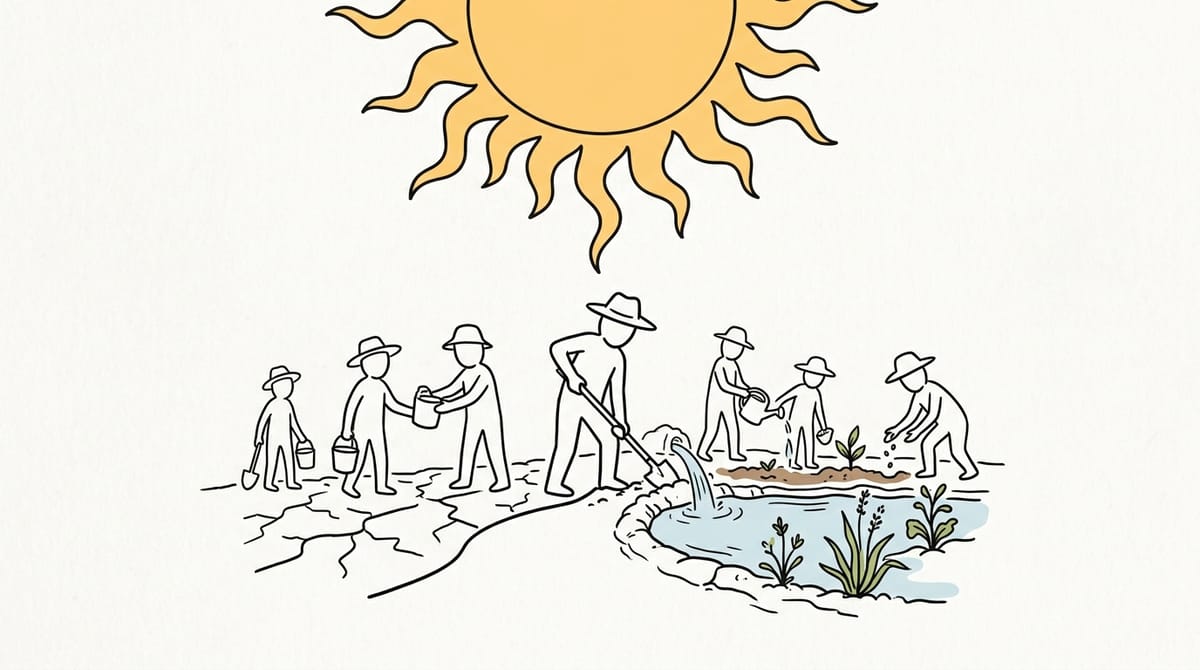
This article explains DOST-PAGASA's warning regarding the intensification of El Niño into a "very strong" event lasting through the first half of 2027. It breaks down the practical consequences for ordinary Filipino households, including food prices, water availability, and community support steps.
DOST-PAGASA Warns of 'Very Strong' El Niño Persisting into Mid-2027
On September 23, 2026, the Department of Science and Technology–Philippine Atmospheric, Geophysical and Astronomical Services Administration (DOST-PAGASA) issued an official statement warning that the strong El Niño currently active in the Tropical Pacific is expected to intensify into a "very strong" phenomenon between September and December 2026. Climate projections indicate that these conditions may persist through the first half of 2027.
While official weather advisories focus on meteorological terms like "rainfall deficits" and "ENSO patterns," the everyday reality for ordinary Filipino families involves practical challenges: rising market prices, potential water supply interruptions, and strained household budgets. Understanding these warnings early allows communities and families to prepare effectively before the peak effects are felt.
What Happened?
DOST-PAGASA confirmed that El Niño—a climate pattern marked by unusual warming of ocean surface temperatures in the Tropical Pacific—has reached strong levels and is set to peak as a "very strong" event late in 2026.
Key details established by the weather bureau include:
- Duration: The phenomenon is projected to last through the mid-2027 period.
- Primary Effect: Below-normal rainfall and warmer-than-average surface temperatures across most parts of the country.
- Secondary Risk: Despite general dryness, the ongoing Southwest Monsoon (Habagat) and active tropical cyclones can still cause localized heavy rainfall and sudden flooding in western areas.
- Official Call to Action: DOST Secretary Renato Solidum Jr. urged local governments, key institutions, and the public to utilize municipal-level climate data (such as CliMap) to adjust farming schedules and implement resource conservation measures well in advance.
Why Prolonged El Niño Matters to Filipino Households
Climate phenomena do not exist in isolation; they directly impact everyday household expenses and living conditions.
How El Niño Cascades to Household Budgets
Utility Strain: Reduced reservoir levels cause water rationing and force reliance on costlier energy generation.
1. Rising Food Prices and Grocery Bills
When agricultural areas experience prolonged dry spells, crop yields for major staples—such as rice, vegetables, and yellow corn—frequently decline. Reduced local supply increases reliance on costlier imports or drives up farmgate prices. For low-income households and families relying on a daily wage, a spike in basic commodity prices directly reduces purchasing power.
2. Water Supply and Utility Costs
Below-normal rainfall reduces water levels in major dams, including Angat Dam, which supplies drinking water to Metro Manila and irrigation to nearby farm provinces. Extended dry conditions often lead to rotational water service interruptions, pressure drop issues, and increased household spending on bottled drinking water or storage containers. Additionally, warmer temperatures lead to higher electricity usage for cooling devices, driving up monthly utility bills.
3. Pressure on Informal Workers and Small Vendors
Small-scale vendors, carinderia owners, and agricultural laborers face dual pressures: paying higher wholesale costs for ingredients while operating under extreme ambient heat. For informal earners whose margins are already thin, prolonged dry periods make daily livelihood maintenance significantly harder.
What the Headlines Leave Out
While news reports focus on national forecasts and agricultural loss statistics, several practical realities receive less coverage:
- The Delay Between Forecasts and Market Impact: A dry spell reported today does not immediately double market prices tomorrow. The real economic shock usually hits months later during harvest cycles, when supply deficits materialize in local wet markets (palengke).
- The Dual Danger of Drought and Flash Floods: "Dry spell" does not mean zero rain. Strong El Niño years can still produce intense tropical storms or monsoon rains. Dry, hardened soil absorbs water poorly, making sudden downpours more likely to cause sudden surface flooding before the water runoff clears.
- Vulnerability of Unbanked and Low-Income Earners: Households without emergency savings or access to formal credit are often forced into high-interest informal loans when food costs surge or work days are lost to heat waves and health issues.
Practical Steps Families Can Take to Prepare
While national agencies and local government units (LGUs) manage macro-level responses, individual households can take grounded steps to soften the impact of prolonged dry weather:
Food and Budget Management
- Adjust Household Budgets Early: Gradually shift daily meal planning toward accessible, locally sourced staples that are less sensitive to immediate drought conditions.
- Avoid Panic Buying: Bulk buying by individuals disrupts community supply and drives localized price spikes. Instead, maintain a modest, rolling inventory of essential non-perishable goods.
Water Conservation Practices
- Practice Rainwater Harvesting: Capture monsoon rain while it is available using clean containers. Harvested rainwater can be used for cleaning, flushing toilets, and watering plants, preserving treated tap water for cooking and drinking.
- Check Household Fixtures: Inspect pipes, faucets, and toilet flappers for slow leaks. A single leaking faucet can waste hundreds of liters of water per month.
Health and Safety
- Prevent Heat-Related Illnesses: Ensure vulnerable family members—especially senior citizens, young children, and persons with disabilities—stay hydrated and avoid outdoor exposure during peak heat hours (11:00 AM to 3:00 PM).
- Safe Water Storage: Keep stored water tightly covered to prevent it from becoming a breeding ground for mosquitoes carrying dengue.
What to Watch Next
As the weather bureau monitors ocean temperatures, citizens should track the following indicators over the coming months:
- LGU and Water Regulatory Announcements: Watch for local advisories regarding water pressure adjustments or scheduled service interruptions from local water utility providers.
- Irrigation and Harvest Reports: Monitor Department of Agriculture updates regarding crop advisories and local harvest projections, which offer early indicators of future market price trends.
- Local Price Monitoring: Pay attention to Department of Trade and Industry (DTI) Suggested Retail Price (SRP) bulletins for basic necessities and prime commodities.
Community Solidarity in Times of Climate Strain
Large-scale climate challenges highlight the necessity of community cooperation. When food prices rise and water supplies tighten, organized local mechanisms help neighborhoods remain resilient.
Within community development models—such as the 3-Generation Model practiced by BUKLURAN NG KALINGA NG MAMAMAYANG DISTRITO SINGKO INC.—shared initiatives play a key role in reducing household burdens:
- Cooperative Purchasing: Through community resource-pooling systems like the BUKLURAN HUB, participating members leverage group purchasing to access essential kitchen staples at lower distribution costs, helping cushion budgets against market inflation.
- Education and Health Support: Initiatives like the BUKLURAN Pabaon Program and Lingap Komunidad focus on keeping children nourished for school and distributing basic care supplies to vulnerable groups, including senior citizens and single parents, during periods of economic tightness.
When families combine effort and plan ahead, communities build a stronger defense against predictable climate disruptions.
This article is based on the official climate advisory issued by DOST-PAGASA on September 23, 2026, and reported by The Manila Times on September 24, 2026. Practical analysis, household implications, and community context were prepared independently by BUKLURAN to assist public understanding and household readiness.

Power Our Mission, Shape the Future
We empower single parents, PWDs, youths, seniors, and stay-at-home parents through digital livelihood.
Help us build resilient communities.
BUKLURAN remains open to partnerships, sponsorships, and collaborative initiatives that create meaningful community impact.
Whether through funding, in-kind support, volunteerism, or shared services, your organization can help strengthen programs that serve underserved communities.
Do you want to take part in our free livelihood programs, scholarship assistance, and community resource pooling initiatives? Membership is completely free.
Join BUKLURAN!
Register, volunteer, and become a member today.