Rebuilding After Crisis: Lessons on Community Resilience from Bukluran’s 1st Anniversary Relief Efforts
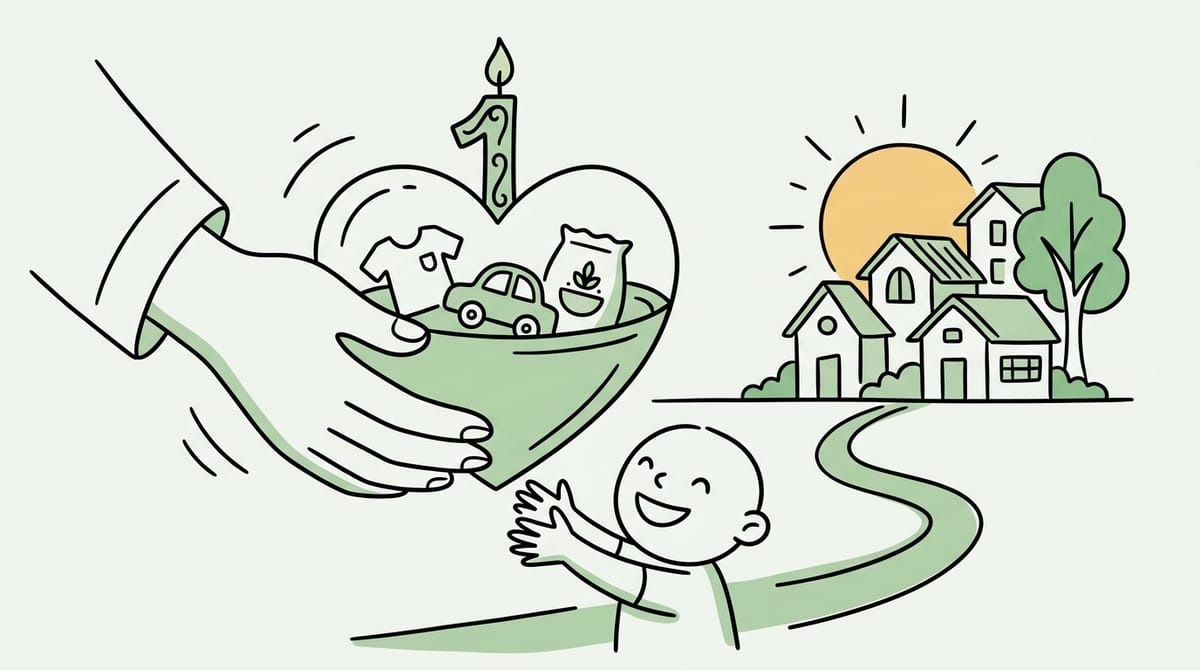
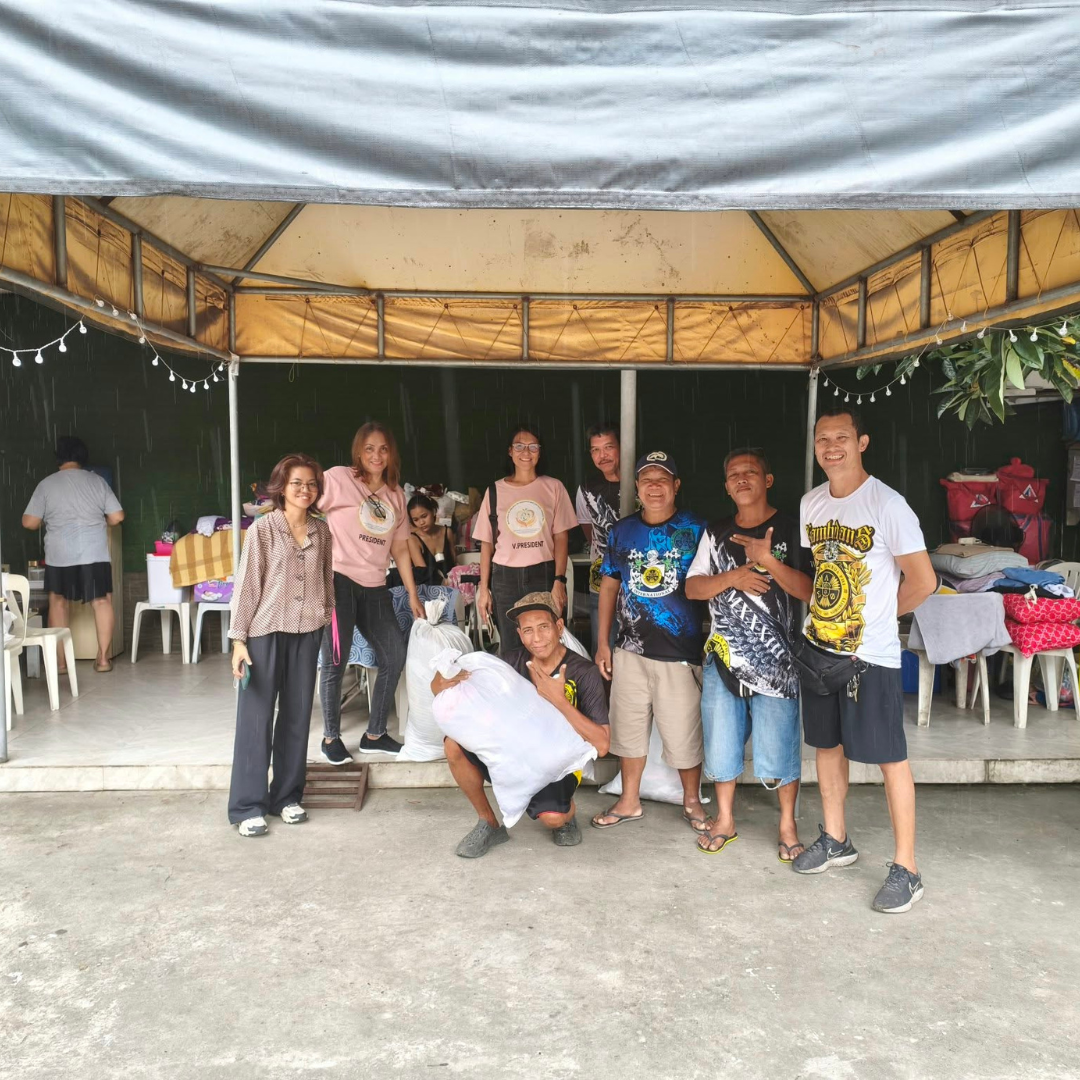
In October 2026, BUKLURAN (Bukluran ng Kalinga ng Mamamayang Distrito Singko Inc.) reached its first official milestone: one year of community service as a SEC and BIR-registered non-profit organization. Rather than holding a formal ceremonial gathering, the organization marked its 1st anniversary by executing the second batch of its Lingap Komunidad Outreach Series. The operation focused directly on providing tangible relief to 170 displaced families facing acute hardship.
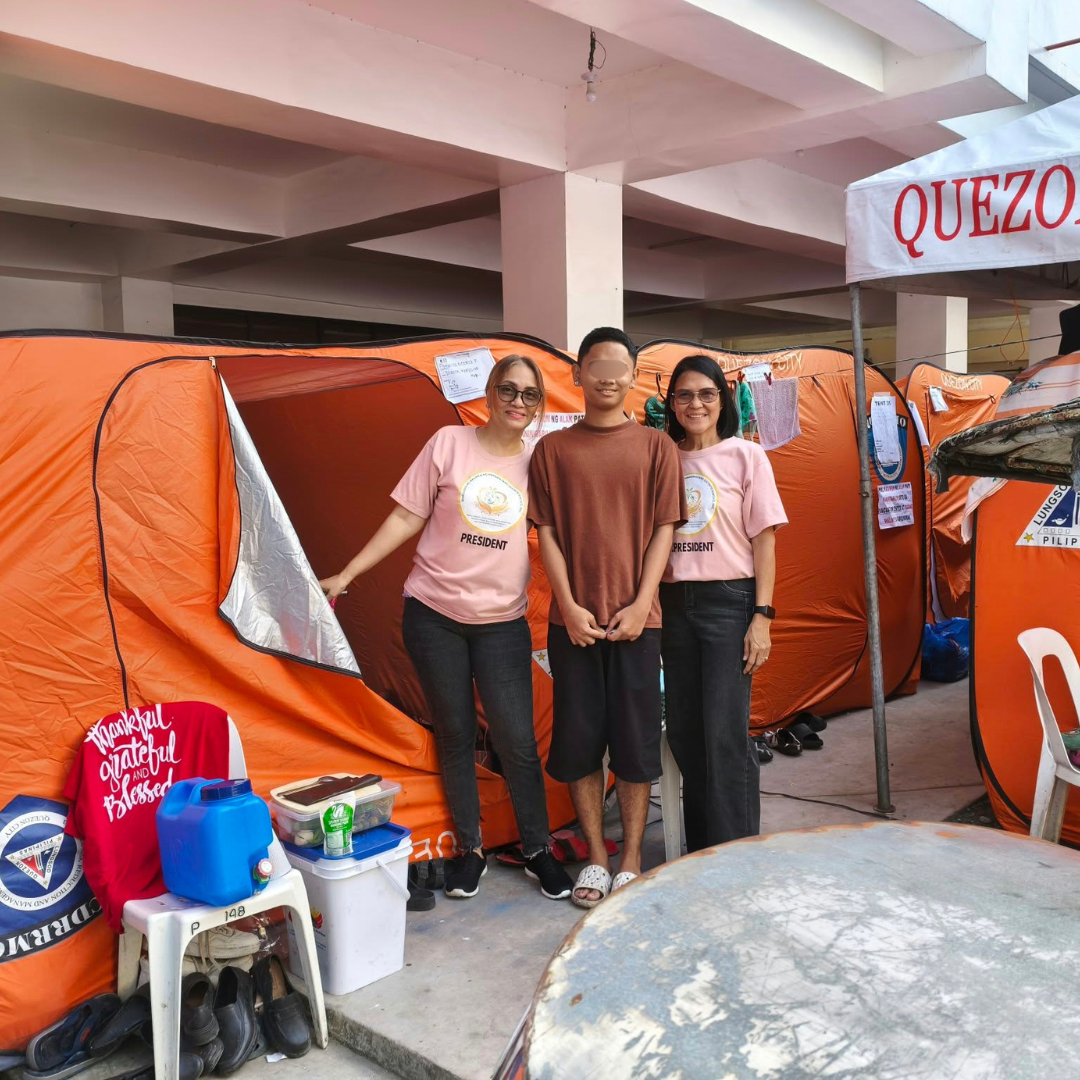
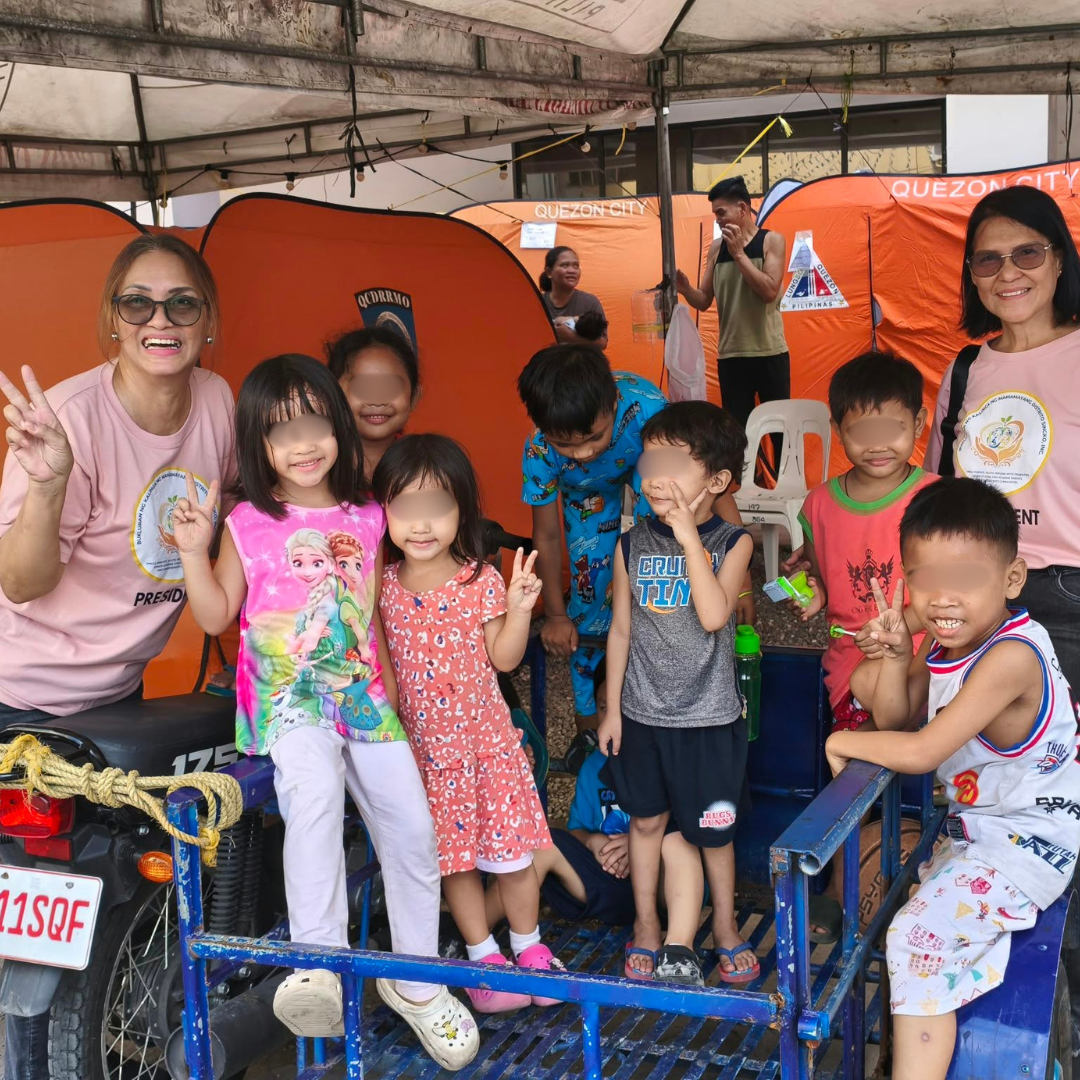
Disaster often strikes without warning, leaving families displaced and without basic necessities overnight. In dense urban communities across Metro Manila and provincial urban centers, fire incidents, severe flooding, and sudden demolitions frequently force low-income households into temporary shelters or evacuation centers. While immediate emergency responses from local government units provide initial shelter, the critical phase of recovery depends heavily on organized community support, sustained relief distribution, and structured civil society intervention.
In October 2026, BUKLURAN (Bukluran ng Kalinga ng Mamamayang Distrito Singko Inc.) reached its first official milestone: one year of community service as a SEC and BIR-registered non-profit organization. Rather than holding a formal ceremonial gathering, the organization marked its 1st anniversary by executing the second batch of its Lingap Komunidad Outreach Series in Quezon City. The operation focused directly on providing tangible relief to 170 displaced families facing acute hardship.
Understanding how organized community interventions operate—and knowing how affected households can navigate post-disaster recovery—is vital for building long-term urban resilience. This comprehensive guide breaks down the financial and social impact of emergency displacement on ordinary Filipino families, outlines actionable steps for post-disaster recovery, and details how community-led initiatives help bridge the gap between immediate crisis and long-term stability.
The Economics of Sudden Household Displacement
When a household is displaced by a localized crisis—such as an urban fire or sudden flooding—the immediate financial shock extends far beyond the physical loss of property. Low-to-middle-income families, daily wage earners, and informal sector workers face severe cash-flow disruptions that threaten their long-term stability.
Primary Financial Pressures on Displaced Families
- Loss of Basic Personal Assets: Replacing basic clothing, bedding, cookware, and personal hygiene items requires immediate out-of-pocket spending when savings are already minimal.
- School and Work Disruption: Children lose textbooks, uniforms, and learning materials, while working adults often lose tools of trade, uniforms, or official identification cards required for employment.
- Nutritional and Health Vulnerability: Displacement forces reliance on prepared foods, bottled water, and temporary shelter, increasing daily living expenses while heightening exposure to waterborne and respiratory illnesses.
To illustrate the economic burden on an average five-member Filipino household earning a minimum daily wage, the following table models the estimated baseline recovery costs following a sudden displacement event:
Estimated Household Recovery Budget Breakdown (5-Member Family)
| Expense Category | Immediate Need / Description | Estimated Cost Range (PHP) | Primary Impact Level |
| Basic Clothing & Bedding | 2-3 basic outfits per person, blankets, sleeping mats | ₱3,500 – ₱6,000 | High (Immediate) |
| Hygiene & Sanitation | Soap, toothpaste, sanitary items, diapers, laundry supplies | ₱1,200 – ₱2,500 | High (Immediate) |
| Replacement Cooking Items | Portable stove, basic utensils, plates, water storage | ₱2,000 – ₱4,000 | Medium (Short-term) |
| School Materials Replacement | Uniforms, bags, shoes, notebooks for 2 students | ₱2,500 – ₱5,000 | Medium (Short-term) |
| Document Reconstruction | Barangay clearances, birth certificates, government IDs | ₱800 – ₱1,800 | Critical (Long-term) |
| Total Baseline Shock | Minimum out-of-pocket recovery expense | ₱10,000 – ₱19,300 | Severe Burden |
For a daily wage earner, an unexpected expense of ₱10,000 to ₱19,000 represents several months of potential savings. Without direct community relief and civil society intervention, families are often forced into high-interest informal loans, compounding their financial vulnerability.
How Community Relief Drives Recovery: The Lingap Komunidad Model
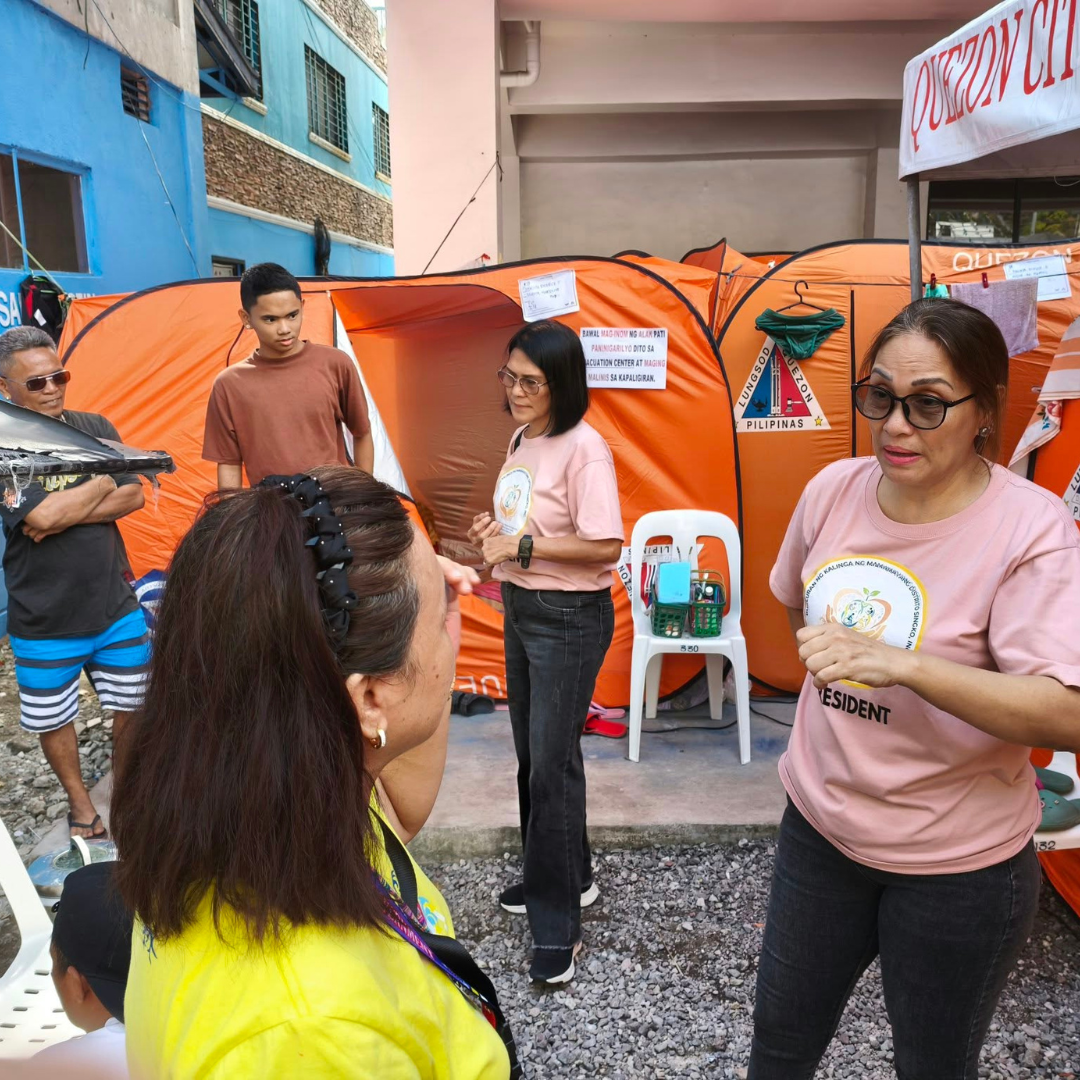
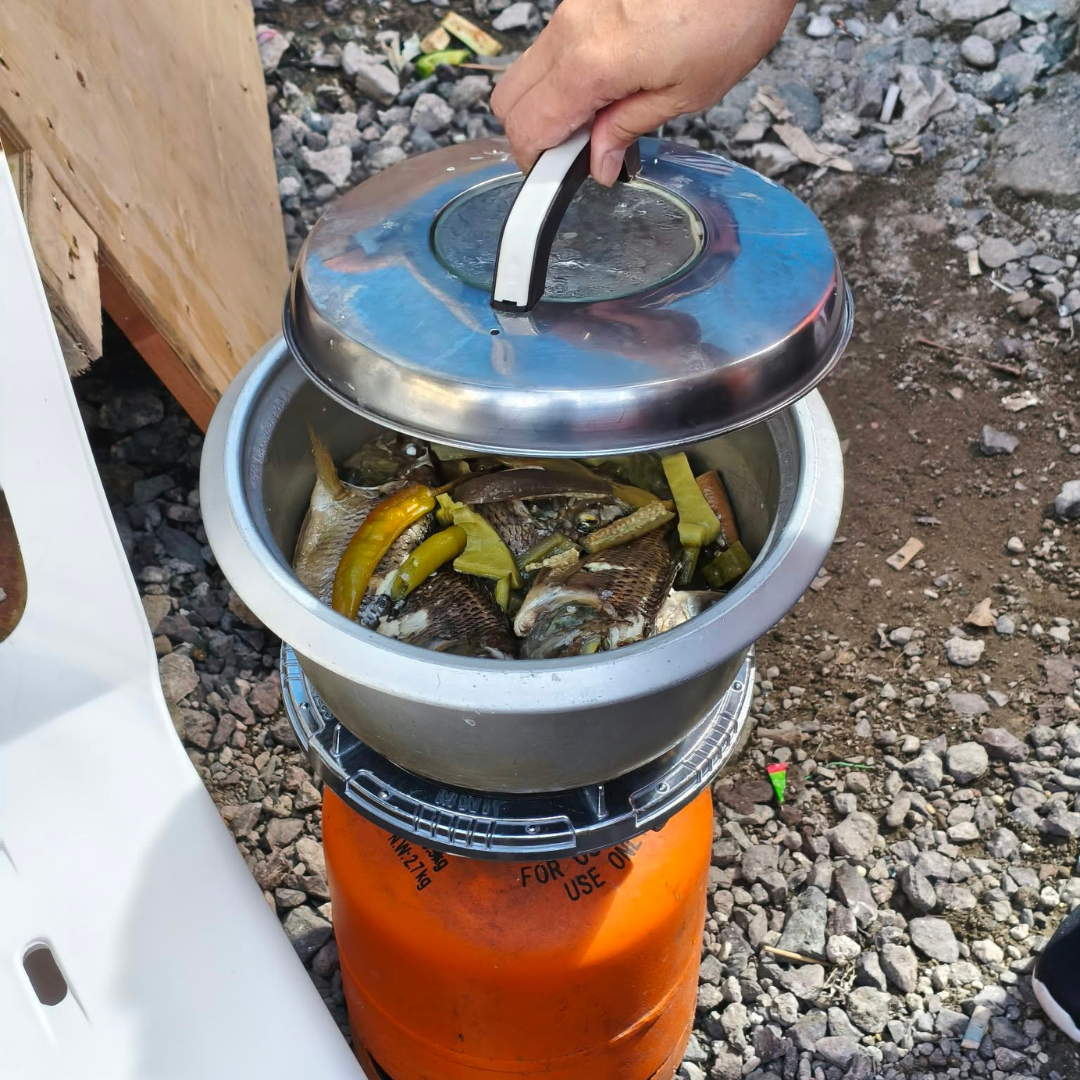
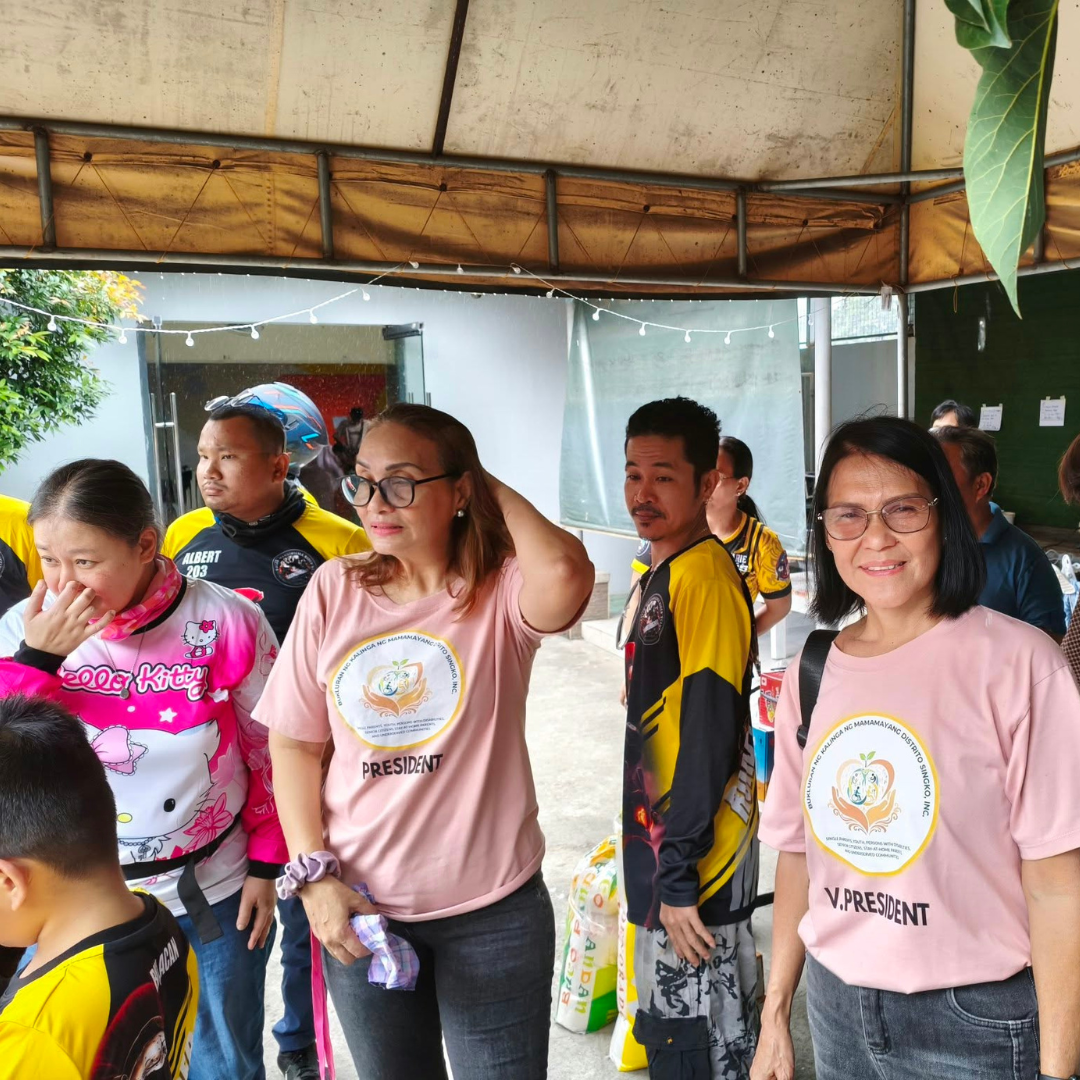
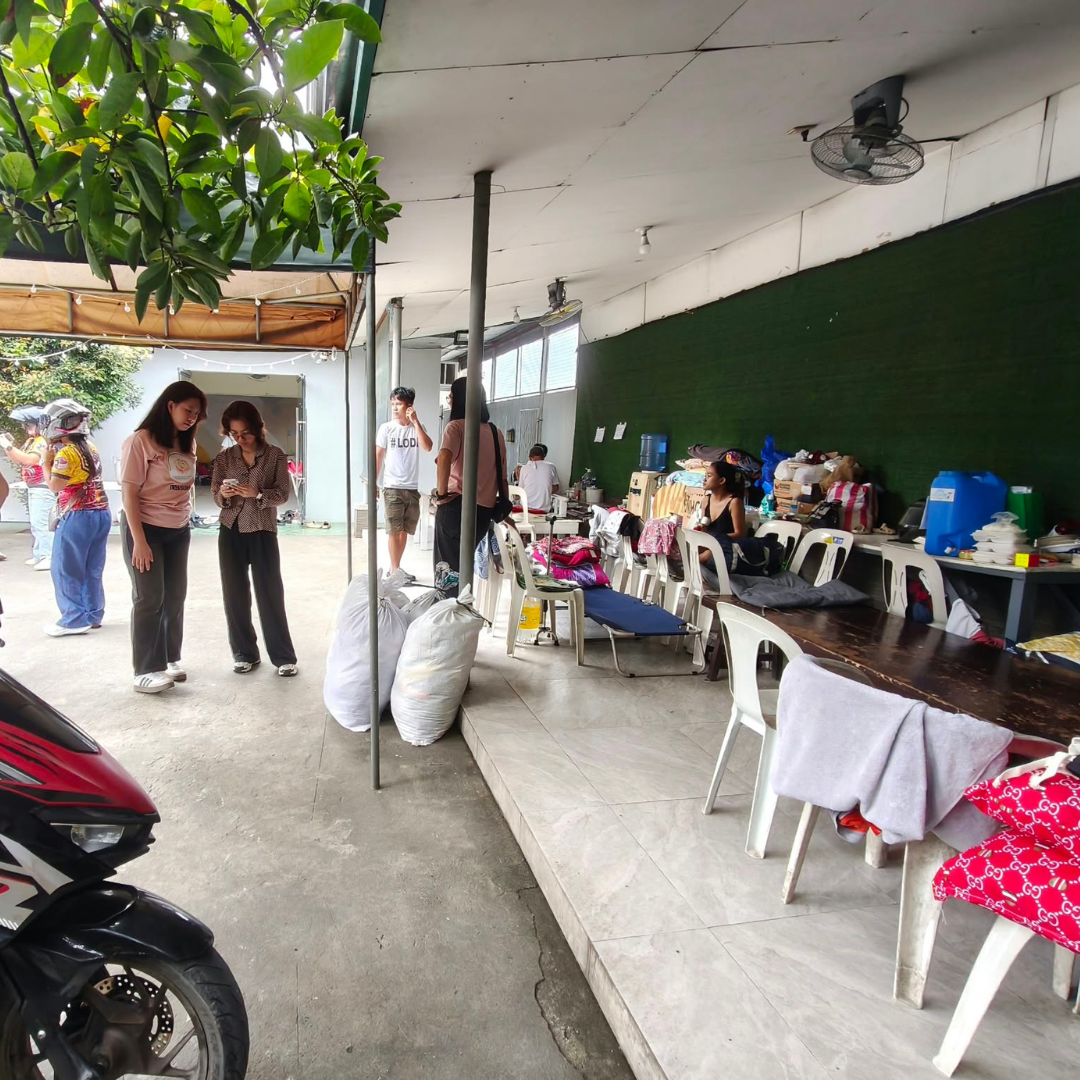
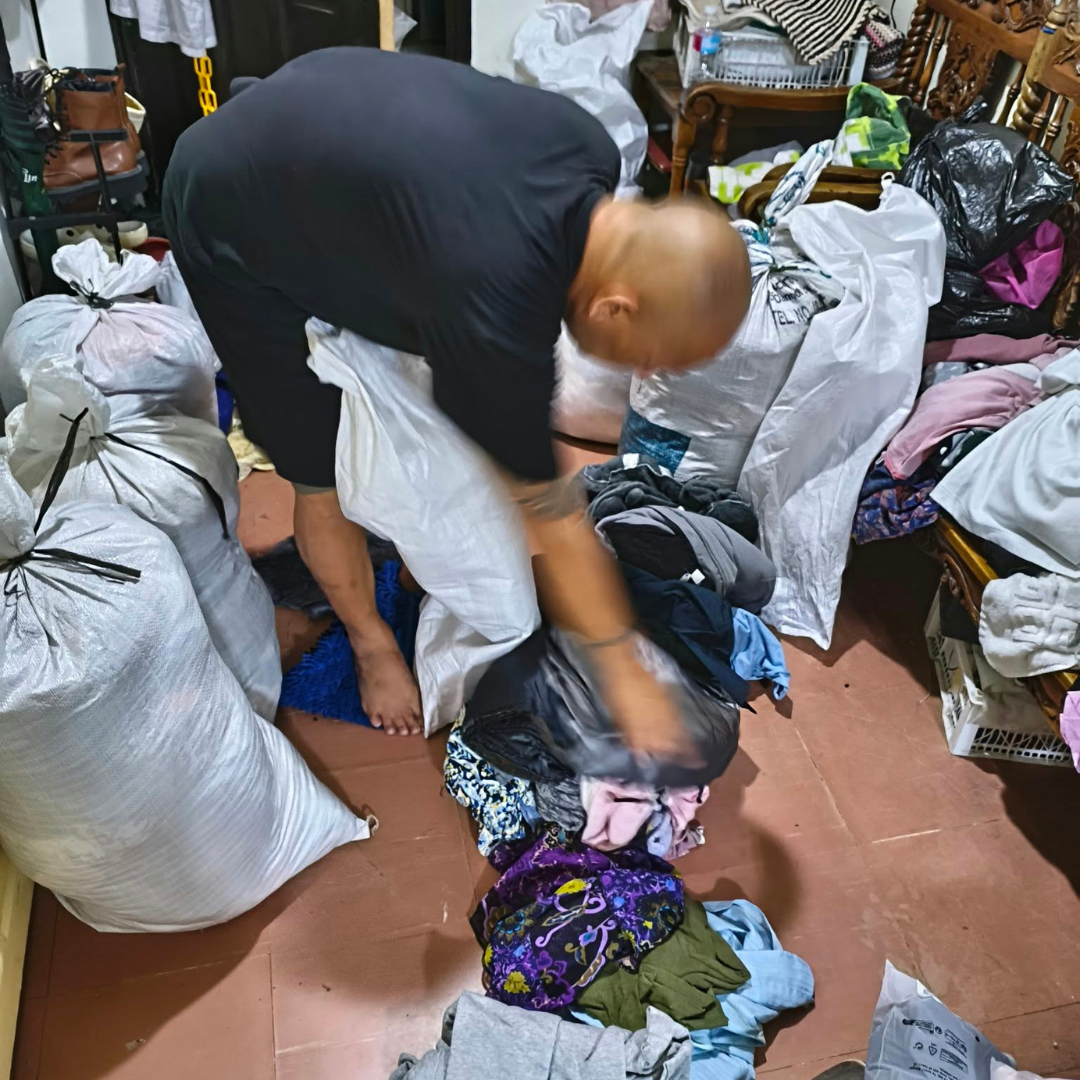
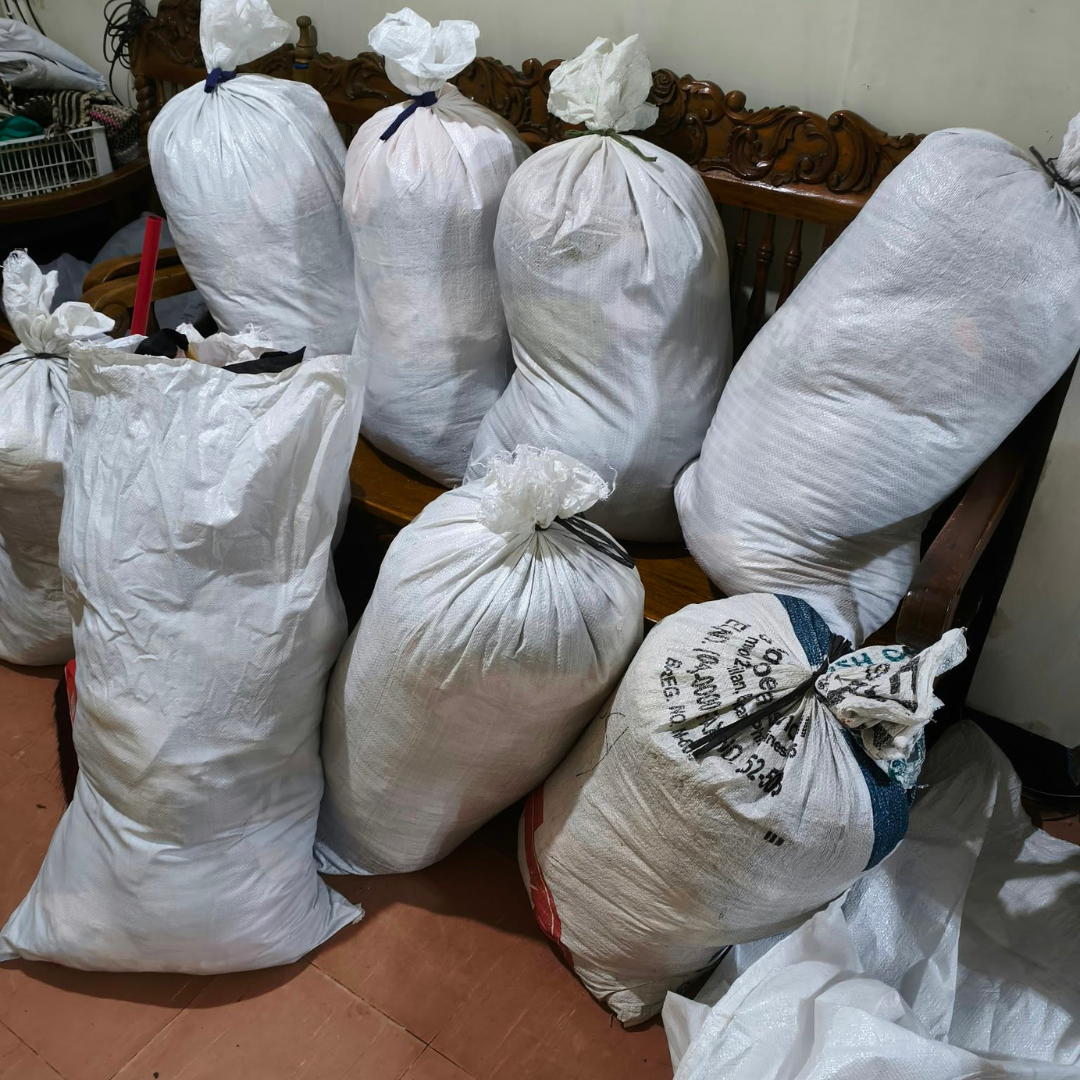
Direct relief efforts do not replace long-term government rehabilitation, but they serve as a crucial economic shock absorber during the first 30 days following displacement.
Crisis & Displacement Continuum: From Immediate Relief to Recovery
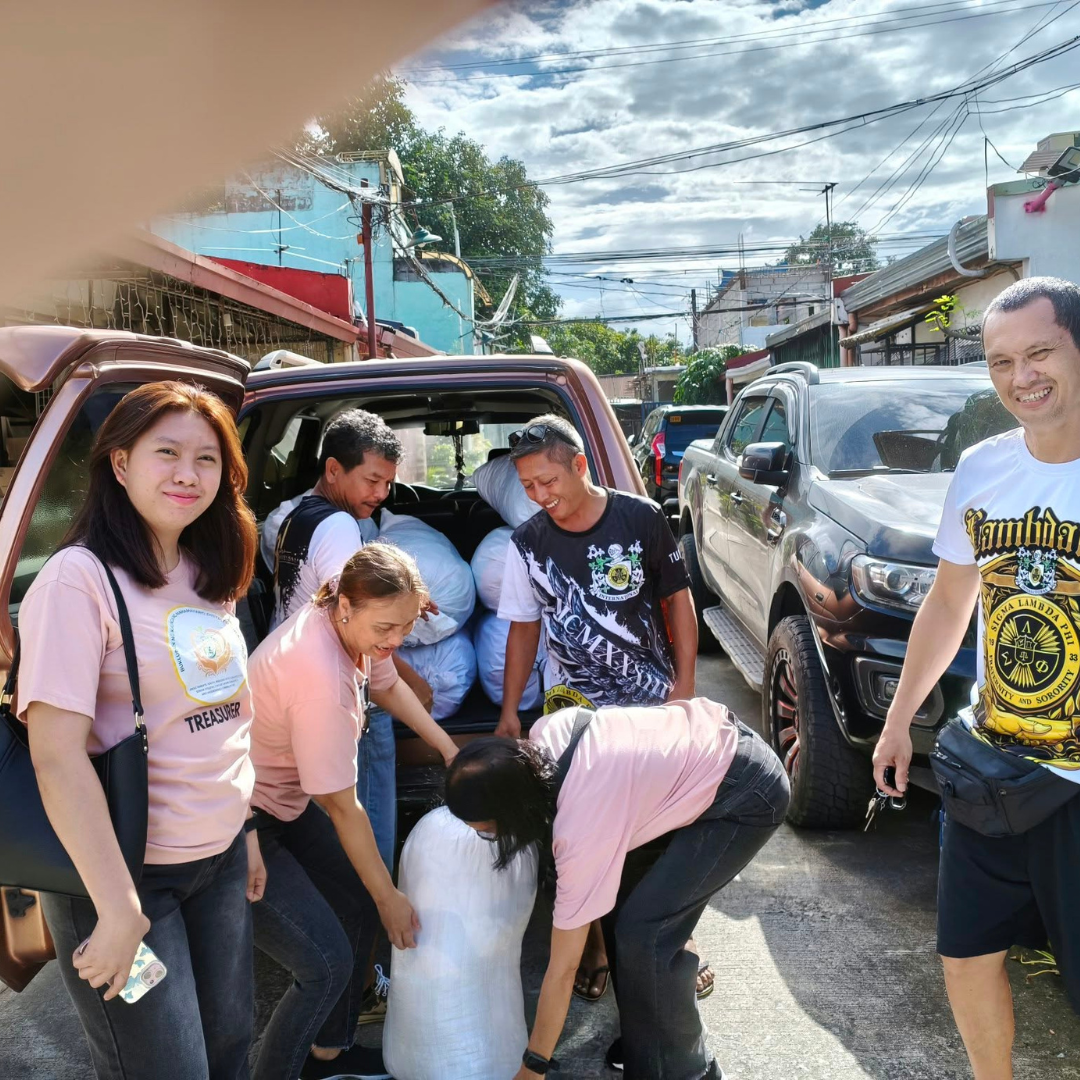
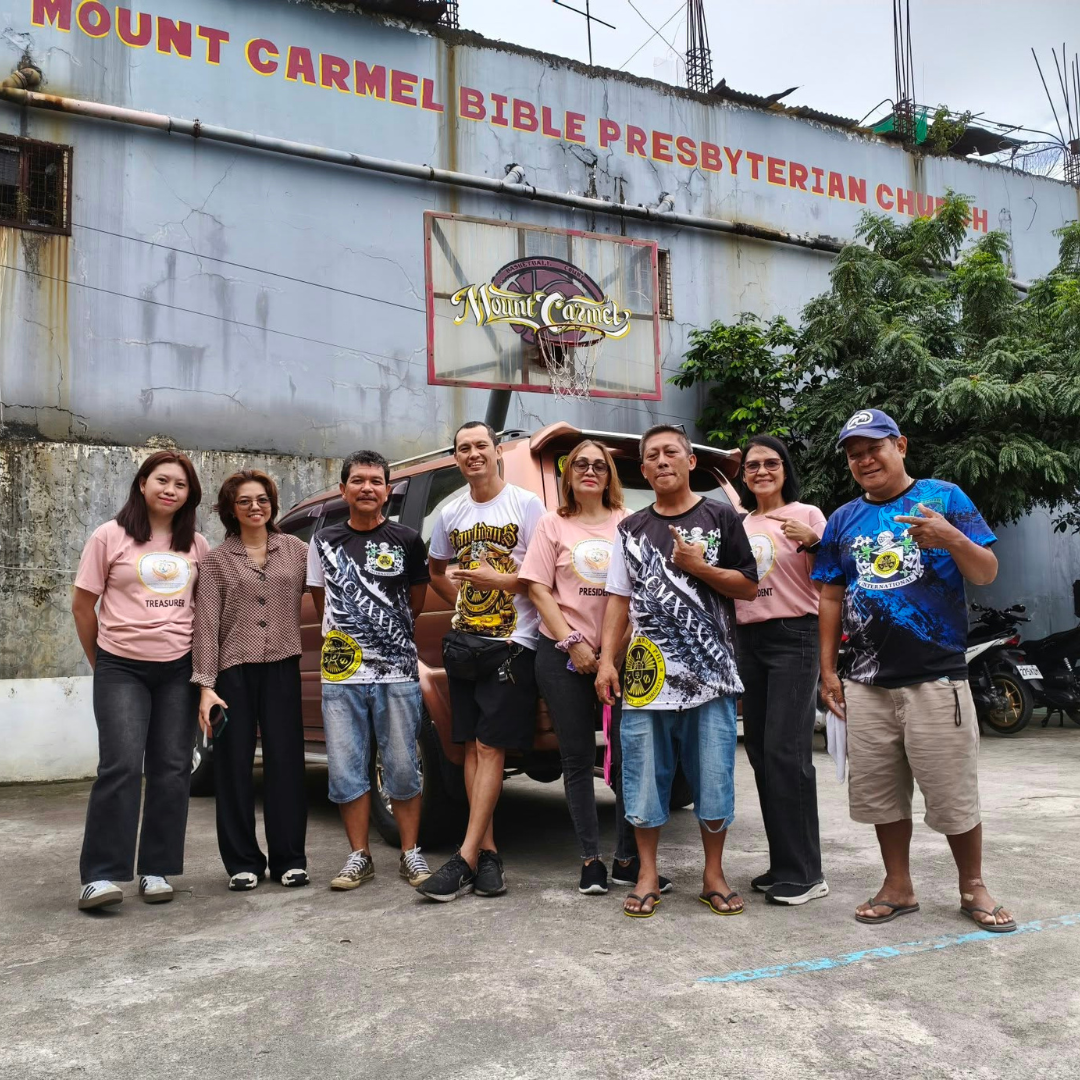
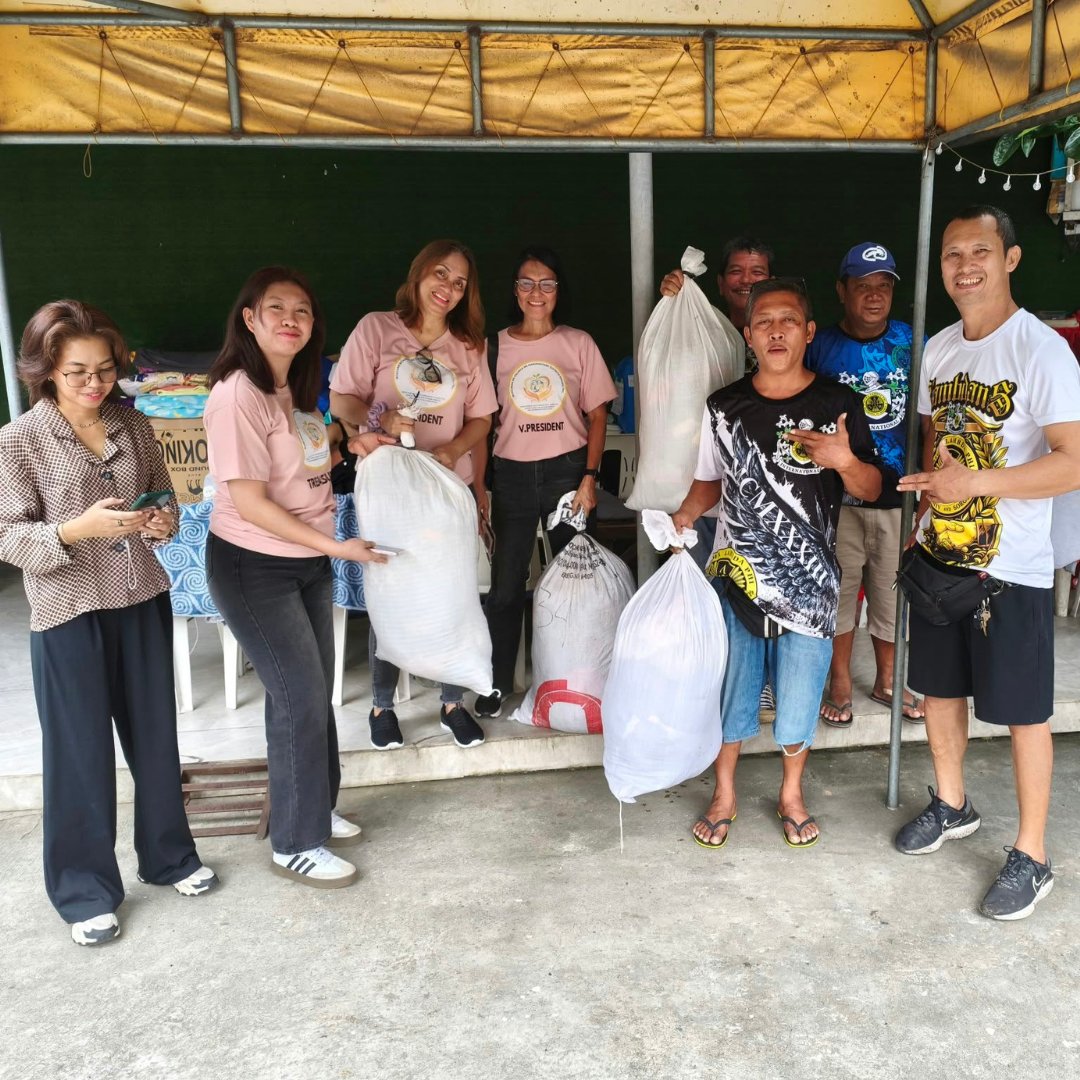
During the October 18, 2026 outreach in Quezon City, Bukluran targeted 170 displaced families with donated items, including clean clothing, children’s toys, and essential daily household necessities. Executed as a self-funded initiative supported by fraternity partner Sigma Lambda Phi, the project demonstrated how targeted community partnerships can mobilise resources directly to where they are needed most without unnecessary administrative delays.
Providing clothes, toys, and household goods directly reduces the immediate cash outlay required from displaced breadwinners. By covering baseline physical needs, families can redirect their limited financial resources toward food, medicines, and restoring their livelihoods.
Practical Step-by-Step Recovery Checklist for Displaced Families
If your family or community experiences sudden displacement due to a fire, flood, or local emergency, taking structured steps can help protect your rights, secure aid, and speed up recovery:
- Register Immediately with the Evacuation / Barangay Desk
- Ensure your family head and all dependents are officially listed on the Barangay or Department of Social Welfare and Development (DSWD) Disaster Intake Sheet. Official registration is required to receive government financial assistance and relief goods.
- Secure Official Certificate of Loss / Disaster Victim Intake Form
- Request an official certification from your local Barangay Council or the Bureau of Fire Protection (BFP) confirming your displacement. You will need this document when applying for government assistance, replacement IDs, or calamity loans.
- Prioritize Vital Document Replacement
- Prioritize replacing government IDs (PhilHealth, SSS/GSIS, UMID, National ID) and birth certificates. Many agencies offer fee waivers or expedited processing for registered disaster victims.
- Apply for Calamity Loans and Social Protection Benefits
- Members of SSS, GSIS, or Pag-IBIG residing in declared disaster areas or verified displaced status can access low-interest calamity loans. Check eligibility immediately at your nearest branch or digital portal.
- Connect with Local Community Non-Profits
- Engage with verified civil society organizations, community hubs, and faith-based outreach groups operating in your district for non-food items, educational support, and social service navigation.
Frequently Asked Questions (FAQ)
1. What immediate government financial assistance can displaced fire or flood victims request?
Displaced families registered with their LGU can apply for emergency financial assistance through DSWD’s Assistance to Individuals in Crisis Situation (AICS) program. This provides cash grants for food, medical needs, or temporary transportation. SSS and Pag-IBIG members may also apply for calamity loans.
2. How are relief recipients selected during Bukluran outreach activities?
Bukluran coordinates directly with local community leaders, barangay social welfare officers, and local sector representatives to identify the most vulnerable, displaced, or low-income households. Priority is given to families with young children, senior citizens, persons with disabilities (PWDs), and single parents.
3. How do civil society organizations ensure transparency in self-funded relief drives?
Registered non-stock, non-profit organizations undergo strict compliance monitoring under SEC and BIR regulations. Self-funded drives and partner-supported operations maintain detailed distribution manifests, photographic documentation, and audited financial tracking to ensure donated resources reach designated beneficiaries directly.
4. What should families do if their child's school records and supplies are lost in a disaster?
Under Department of Education guidelines, displaced students are permitted to attend classes in nearby public schools under a temporary learner status while records are being reconstructed. Community programs often distribute learning kits and school supplies to help students resume their studies without delay.
Bukluran Community Relevance & Call to Action
Building resilient communities requires constant, organized support—not just during headline-grabbing disasters, but throughout every step of recovery. Bukluran’s 1st Anniversary outreach reflects a sustained commitment to standing alongside the residents of District 5 and surrounding urban centers.
Through our core programs, Bukluran continues to build long-term community strength:
- Bukluran Hub: Serving as a community center and guidance point for families seeking social service support and community assistance.
- Lingap Komunidad Program: Delivering targeted outreach, disaster relief, and material assistance to vulnerable sectors.
- Kasanayan Learning Program & Bagong Simula Program: Helping individuals rebuild their independence through practical skills training, digital literacy, and micro-livelihood support.
BUKLURAN Celebrates 1st Anniversary with Lingap Komunidad Outreach Series Batch 2
Join Our Community Network
Whether you need guidance navigating social services, want to learn new skills to protect your family’s financial future, or wish to volunteer for upcoming outreach drives, Bukluran’s doors are open.
- Get Involved: Join the Lingap Komunidad volunteer roster or participate in our upcoming Kasanayan Learning Program workshops.
- Connect: Follow our official channels for real-time updates on community schedules, educational guides, and outreach initiatives.
Based on official documentation of the 1st Anniversary of BUKLURAN celebrated with Lingap Komunidad Outreach Series Batch 2, conducted on October 18, 2026, in Quezon City, providing relief to 170 displaced families through self-funded support and partnership with Sigma Lambda Phi.
This article is published solely for public-interest educational, informational, and community empowerment purposes. It does not constitute formal legal, financial, or official government welfare advice. For specific calamity assistance claims, government loan applications, or legal relief documentation, citizens should consult the relevant government agencies (DSWD, SSS, Pag-IBIG, BFP) or qualified legal professionals.

Power Our Mission, Shape the Future
We empower single parents, PWDs, youths, seniors, and stay-at-home parents through digital livelihood.
Help us build resilient communities.
BUKLURAN remains open to partnerships, sponsorships, and collaborative initiatives that create meaningful community impact.
Whether through funding, in-kind support, volunteerism, or shared services, your organization can help strengthen programs that serve underserved communities.
Do you want to take part in our free livelihood programs, scholarship assistance, and community resource pooling initiatives? Membership is completely free.
Join BUKLURAN!
Register, volunteer, and become a member today.