Should Cybersecurity Be Nationalized? What the Debate Means for Everyday Filipino Digital Life
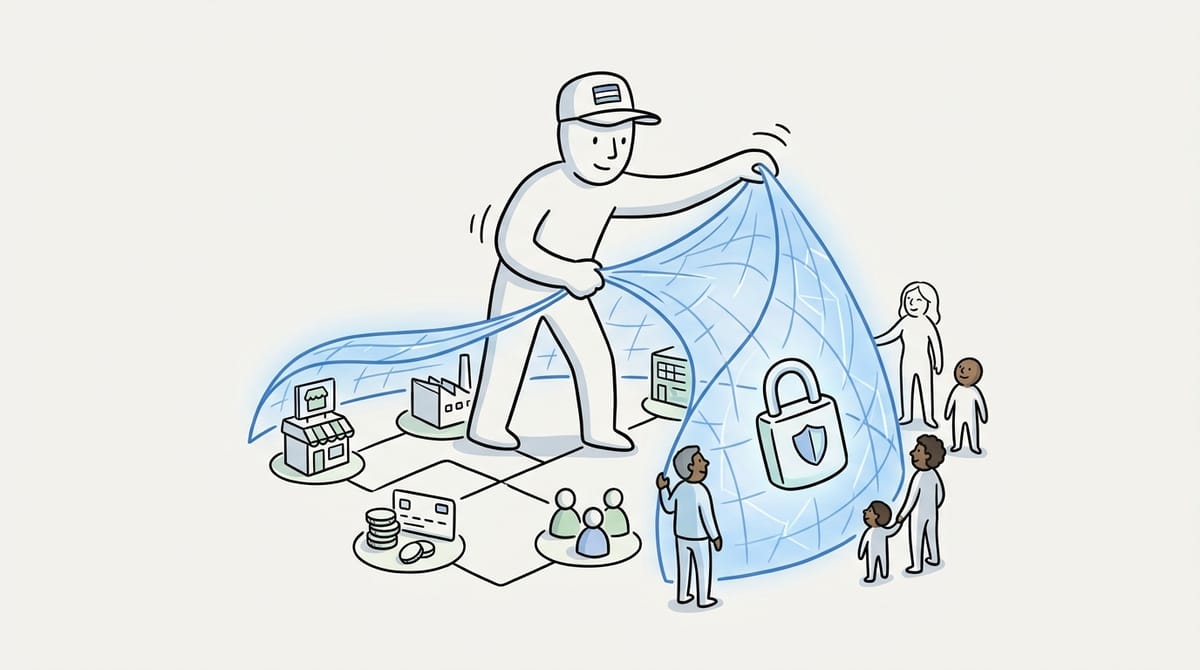
This article examines the debate surrounding the potential nationalization of cybersecurity in the Philippines. It breaks down what state control over digital networks would mean for ordinary households, small and medium enterprises (SMEs), and unbanked Filipinos who rely daily on GCash, Maya, and digital banking services.
When major data breaches hit government agencies or financial institutions, public frustration grows quickly. Recent discussions across the tech and policy sectors have raised a crucial question: Should cybersecurity in the Philippines be nationalized?
Nationalizing cybersecurity means shifting the primary responsibility for defending digital networks, data infrastructure, and online systems from private companies to state-run institutions. While the idea aims to create a unified shield against cybercrime, it also triggers a complex debate over digital inclusion, business costs, and everyday access to services.
Should Cybersecurity Be Nationalised?
"Cybersecurity is quietly becoming a public good, like street lighting—privately delivered but collectively funded—even as no government is proposing outright state ownership."
What Happened
The debate centers on whether the state should take direct control over securing critical information infrastructure—such as telecommunications, banking platforms, and energy grids—or continue relying on private enterprise solutions.
Proponents argue that centralized state oversight ensures uniform security standards, protects national security, and mobilizes centralized resources against large-scale foreign and domestic cyberattacks. Conversely, industry observers and small business advocates express concern that excessive state control could stifle innovation, raise operating costs, and limit access to digital tools.
Why This Matters
In the Philippines, everyday life has migrated online. Millions of Filipinos rely on digital channels to receive remittances, pay bills, buy groceries, and run micro-enterprises. Cybersecurity is no longer just a technical issue for IT departments; it directly affects whether a family can safely transfer money or whether a small sari-sari store owner can accept e-wallet payments.
If digital security is nationalized, government policies will dictate how private apps, banks, and internet providers build and run their platforms. The core issue is striking a balance between strict security and accessible digital financial tools.
What the Headlines Don't Explain
News coverage often frames nationalization as a simple choice between safety and freedom, but several underlying realities are rarely discussed:
- SME and Startup Compliance Costs: Strictly enforced, centralized security mandates require expensive software certifications, constant auditing, and specialized hardware. Large corporations can absorb these expenses, but small and medium enterprises (SMEs) and local startups may find the costs prohibitive.
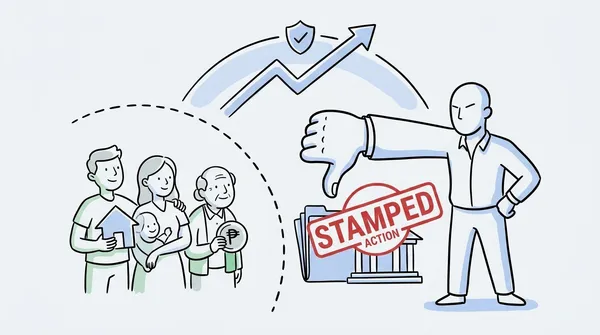
- Impact on Financial Inclusion: Digital financial products reach unbanked and low-income families because private fintech companies keep onboarding fast and low-cost. Mandating heavy state-directed security protocols could raise transaction fees or create registration barriers that lock vulnerable consumers out.
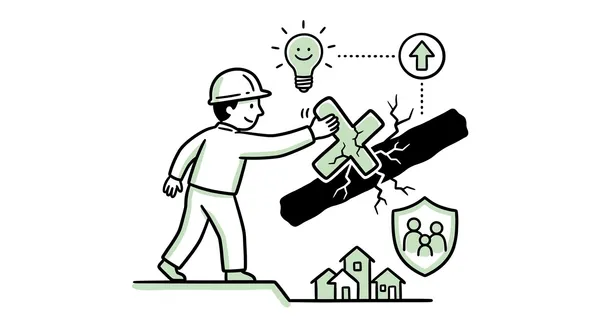
- The Danger of a Single Point of Failure: Centralizing cybersecurity governance within a single state apparatus creates a primary target. If state security protocols lag behind evolving global threats, every sector connected to the national system becomes vulnerable at once.
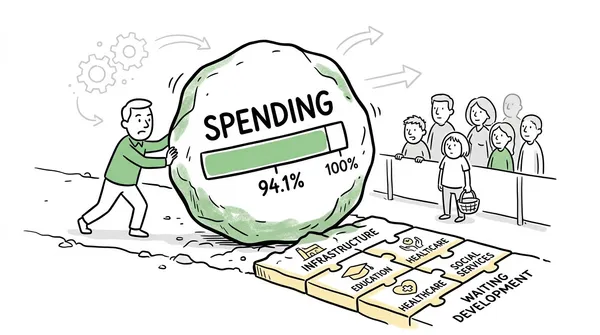
- Operational Agility vs. Bureaucracy: Private tech firms update defenses in real-time to counter emerging threats. State-mandated protocols, constrained by public procurement rules and administrative approvals, often struggle to keep pace with fast-evolving cyber risks.
How This Could Affect Filipinos
- For Low-Income Families and Unbanked Individuals: Overly rigid security requirements or higher compliance costs passed on by providers could lead to increased e-wallet transfer fees or more complex account verification requirements.
- For Small Businesses and Micro-Entrepreneurs: Online sellers and local shops relying on basic digital tools may face higher operational expenses if platforms are required to pass down strict security standards to vendors.
- For Digital Workers and Freelancers: Centralized security measures can improve overall internet reliability, protecting remote workers from foreign cyber threats, but could also impose monitoring compliance that complicates global client workflows.
What People Should Know
Nationalizing cybersecurity does not mean the government will monitor individual private messages overnight. It refers to legal frameworks, compliance mandates, and central infrastructure oversight.
Under current national initiatives—such as the National Cybersecurity Plan—the government is moving toward a "whole-of-nation" model rather than a total state takeover. This approach combines mandatory baseline standards for critical infrastructure with private sector innovation.
Practical Takeaways
Regardless of macro-level policy decisions, individual digital security remains the first line of defense:
- Protect Personal Accounts: Enable Two-Factor Authentication (2FA) across all e-wallets, social media accounts, and email addresses.
- Verify Official Channels: Always access financial services through official mobile applications rather than clicking on links sent via SMS or unverified messages.
- Stay Informed on Platform Changes: Monitor updates from your primary banking and digital wallet providers regarding changes in security policies or fees.
Looking Ahead
As lawmakers consider priority measures like the National Cybersecurity and Critical Information Infrastructure Protection Act, policy discussions will shape how strictly the state regulates digital platforms. The ultimate goal for the Philippines is to secure its digital footprint without slowing down economic participation for ordinary citizens.
In the digital age, cybersecurity is a vital public requirement, but top-down state control brings distinct economic trade-offs. Protecting the country’s digital systems must go hand-in-hand with keeping digital services affordable, accessible, and inclusive for every Filipino household.

Power Our Mission, Shape the Future
We empower single parents, PWDs, youths, seniors, and stay-at-home parents through digital livelihood.
Help us build resilient communities.
BUKLURAN remains open to partnerships, sponsorships, and collaborative initiatives that create meaningful community impact.
Whether through funding, in-kind support, volunteerism, or shared services, your organization can help strengthen programs that serve underserved communities.
Do you want to take part in our free livelihood programs, scholarship assistance, and community resource pooling initiatives? Membership is completely free.
Join BUKLURAN!
Register, volunteer, and become a member today.