Why Smart Email Marketing Matters for Nonprofits in 2026 and Beyond
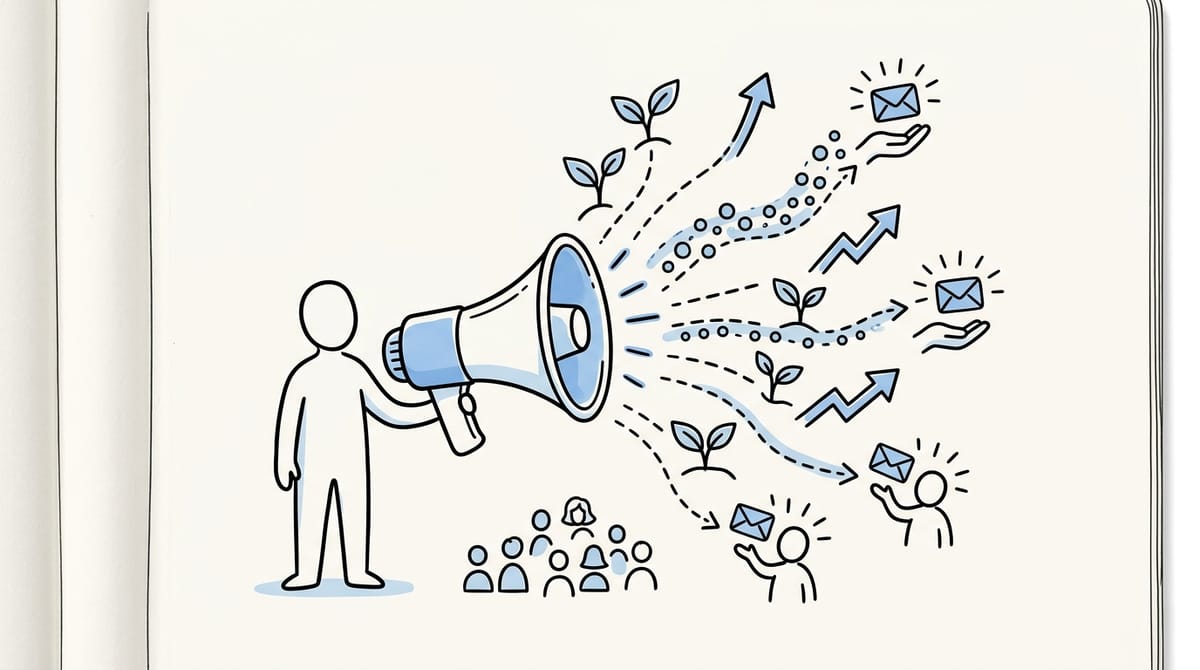
Nonprofits face changing digital environments where effective communication depends on structured strategy, data segmentation, and ongoing capacity building. Rather than relying on transactional outreach, modern public service organizations must treat digital skills as essential tools for sustained community impact. This article explores key takeaways from TechSoup Connect Canada's email marketing masterclass and their application to grassroots development.
Email Marketing Mastery for Nonprofits
- Thoughtful segmentation and donor personalization
- AI-assisted content creation and workflow automation
- Mobile-optimized, interactive email design templates
- Integrated donor journeys spanning multiple channels
- Proactive inbox deliverability and list hygiene management
- Driving consistent fundraising outcomes and sponsor rosters
In an increasingly digital landscape, mission-driven organizations face a complex challenge: standing out in crowded inboxes while building meaningful, lasting relationships with the communities they serve. Outreach strategies that relied on broadcast-style messaging or untargeted donor appeals are no longer sufficient. Today, community members, volunteers, and partners expect timely, relevant, and transparent communication that reflects their specific interests and needs.
When digital channels are underutilized, civil society organizations miss critical opportunities to deepen trust, share educational resources, and coordinate local initiatives. Addressing this digital divide requires shifting away from sporadic, ad-hoc outreach toward structured, data-informed communication strategies. Continuous learning in digital management is no longer just an administrative efficiency—it is a core pillar of effective public service and community empowerment.
Why This Topic Matters
Nonprofit organizations often operate with limited resources while attempting to address multifaceted social issues. Communication systems are frequently treated as secondary operational tasks rather than strategic assets for development. However, how an organization communicates directly influences its capacity to organize programs, mobilize volunteers, and maintain operational transparency.
Outdated digital practices create distinct vulnerabilities for public-interest initiatives:
- Information Overload and Disengagement: Sending generic mass emails without clear segmentation leads to recipient fatigue, lower engagement rates, and missed opportunities for community participation.
- Inconsistent Stakeholder Journeys: Without tailored messaging, organizations struggle to guide supporters from initial awareness toward active, long-term involvement.
- Resource Inefficiency: Time and administrative effort are wasted on manual outreach processes that could be automated, diverting precious energy away from direct community action.
For grassroots organizations and social initiatives, overcoming these barriers means recognizing that digital capacity building is essential for organizational resilience and long-term community trust.
Event Objectives
To help mission-driven leaders navigate these digital shifts, TechSoup Connect Canada organized a dedicated professional development session led by chapter co-host Ben Abel. The masterclass provided practical frameworks to assist community leaders in transforming their email strategies from passive announcements into active engagement engines.
The primary learning objectives of the session focused on:
- Understanding modern email delivery benchmarks, open-rate dynamics, and the operational factors that influence inbox placement.
- Implementing data segmentation strategies to tailor communication for distinct stakeholder groups, including program participants, volunteers, and organizational partners.
- Integrating practical digital tools and ethical automation to streamline outreach while preserving a personal, human-centered tone.
- Designing clear, accessible stakeholder journeys that encourage continuous interaction, community learning, and active participation.
Key Insights and Takeaways
Mastering email communication requires moving past transactional messaging and embracing a strategic framework rooted in clear data management, digital safety, and user-centered design.
Non-Profit Email Strategy Blueprint
Moving Beyond Mass Broadcasts Through Segmentation
One of the central lessons of the session was the necessity of moving away from one-size-fits-all email blasts. High-performing outreach relies on thoughtful list segmentation. By categorizing recipients based on their specific engagement history, interest areas, or roles within the ecosystem, organizations can deliver content that directly addresses their priorities. A volunteer coordinating a local event requires vastly different information than an institutional partner evaluating program outcomes. Tailored messaging respects the recipient's time and significantly improves overall responsiveness.
Optimizing Technical Deliverability and Design
Effective communication relies on technical integrity. The session highlighted the technical frameworks necessary to maintain domain reputation and prevent critical updates from being flagged as spam. Furthermore, as a majority of users access information via mobile devices, adopting responsive, clean, and accessible design formats is non-negotiable. Clear visual hierarchies, concise copy, and legible typography ensure that important announcements reach every community member, regardless of their device or digital access level.
Balancing Automation with Authentic Connection
While digital tools and automation can drastically reduce administrative workloads, they must be implemented without losing human warmth. Automated workflows—such as welcome sequences for new participants or automated event reminders—should feel supportive, informative, and welcoming. Technology should serve to enhance relationships rather than replace meaningful human connection.
Event Snapshot
- Event Title: Email Marketing Mastery for Nonprofits
- Host Organization: TechSoup (TechSoup Connect Canada)
- Date: October 15, 2026
- Platform: Virtual (Cloud) / Organizational Development
From Learning to Community Impact
The principles shared during the masterclass extend far beyond standard email marketing—they highlight how structured knowledge and modern tools enhance grassroots community development. When community initiatives adopt structured communication systems, they build stronger networks capable of sustaining long-term social progress.
This commitment to structured growth and continuous capacity building aligns with the operational philosophy of BUKLURAN NG KALINGA NG MAMAMAYANG DISTRITO SINGKO INC.. As a non-stock, non-profit community development organization based in District 5, Quezon City, BUKLURAN focuses on uplifting underserved sectors—including single parents, persons with disabilities (PWDs), senior citizens, youth, and stay-at-home parents—by combining practical education, economic participation, and community cooperation.
BUKLURAN’s holistic approach is captured in its 3-Generation Community Development Model, which recognizes that sustainable community progress requires supporting children, parents, and the broader community simultaneously:
- Children (Education Support): Programs like the BUKLURAN Pabaon Program provide school supplies and daily support to reduce educational barriers for young learners.
- Parents (Livelihood Participation): Through the BUKLURAN HUB, adult members participate in cooperative resource pooling and group purchasing to help reduce daily household expenses.
- Community (Skills and Digital Readiness): Initiatives like the BUKLURAN Bagong Simula Program focus on practical digital literacy, financial awareness, and online safety.
To support these multi-generational efforts, clear coordination is essential. BUKLURAN’s ongoing development of its civic technology platform—a mobile-based community engagement tool—aims to streamline member registration, program announcements, and activity tracking with full transparency. Applying modern communication insights, such as structured segmentation and user-centered design, ensures that educational materials and community announcements reach local families effectively, helping turn organizational knowledge into tangible community action.
Looking Ahead
Navigating modern societal and economic challenges requires civil society organizations to be adaptable, innovative, and continuously learning. Operational capacity and digital readiness are not mere back-office concerns; they directly impact an organization's ability to serve its stakeholders responsibly and transparently.
Embracing new skills and refined communication methodologies enables non-profits and public service groups to remain responsive to community needs. By continually evaluating and modernizing their engagement tools, mission-driven organizations build the internal strength required to drive long-term, community-led resilience.
Join the Conversation
Every meaningful change begins with learning, reflection, and open dialogue. As communities continue to navigate new opportunities and digital shifts, the ongoing exchange of practical knowledge remains one of our most effective tools for progress. We invite advocates, community leaders, public servants, and residents to share their perspectives on how digital tools can best serve local needs, strengthen public initiatives, and build a more connected, informed, and resilient society.
Email Marketing Mastery for Nonprofits
October 15, 2026
Virtual
Organizational Development

This initiative was independently funded by the BUKLURAN Officers through personal contributions.
We gratefully acknowledge the groups and individuals who shared resources, services, venues, supplies, and other forms of community support.
• TechSoup
BUKLURAN remains open to partnerships, sponsorships, and collaborative initiatives that create meaningful community impact.
Whether through funding, in-kind support, volunteerism, or shared services, your organization can help strengthen programs that serve underserved communities.