The Hidden Question Behind New Government Appointment Announcements
New names are leading GSIS and communicating for the BIR. Beyond the political appointments, here is how it impacts your wallet.
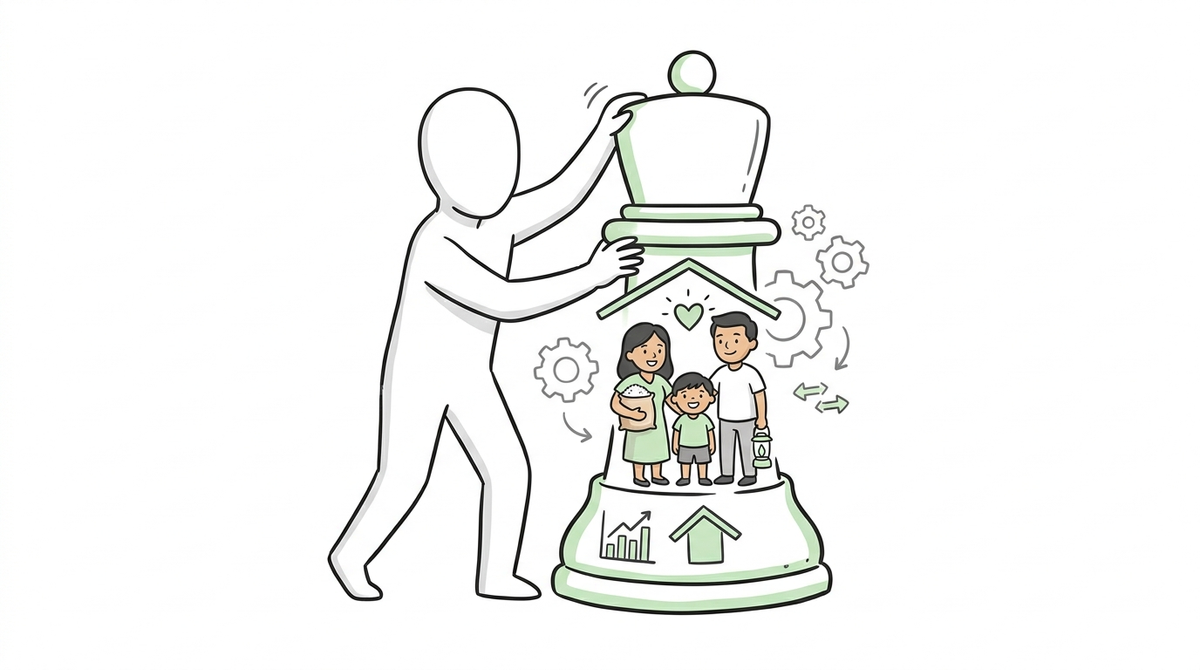
The article explains how the new leadership appointments at GSIS and the BIR impact the financial security, public services, and daily lives of ordinary Filipino state workers and taxpayers.
For an ordinary public school teacher, a utility worker in a local government unit, or a clerk at a district office, the daily grind is rarely about who sits in the high offices of Manila. It is about balancing the family budget, ensuring the kids' tuition is paid on time, and hoping that after decades of hard public service, there will be a reliable safety net waiting in old age.
Yet, every so often, news breaks about new appointments at the highest levels of our public institutions. The Department of Finance recently announced that Ricardo Blancaflor, a seasoned public servant, is the new chairperson of the Government Service Insurance System (GSIS). Simultaneously, Marissa Cabreros has been designated as the official spokesperson for the Bureau of Internal Revenue (BIR).
To many, these announcements read like standard bureaucratic musical chairs—names on a press release that feel distant from the realities of rural communities or busy urban markets. But these institutions hold the keys to the financial well-being of millions of Filipino families. When the leadership shifts, the ripple effects eventually find their way to your local neighborhood.
Beyond the Bureaucracy: Why These Agencies Matter to Your Household
To understand why these appointments matter, we have to look at what these specific offices do. The GSIS is not just an office building; it is the custodian of the hard-earned lifelines of over two million public sector workers and retirees. When a retired nurse waits for their monthly pension to buy maintenance medicine, or when a clerk applies for an emergency loan after a typhoon, they are relying directly on the health and stability of the GSIS fund.
On the flip side, the BIR is the collector of the nation's lifeblood. Every time an ordinary citizen buys goods or an employee looks at the deductions on their payslip, they are interacting with the policies of the BIR. How these taxes are communicated, managed, and collected dictates how much money is left in a family’s pocket and how much goes into public services like roads, schools, and hospitals.
The incoming GSIS chair faces the monumental task of ensuring fund sustainability while upgrading member services. Meanwhile, the new BIR spokesperson is tasked with breaking down complex tax reforms and enforcement issues into clear, understandable terms for the public.
The Everyday Realities of Fund Sustainability and Clear Communication
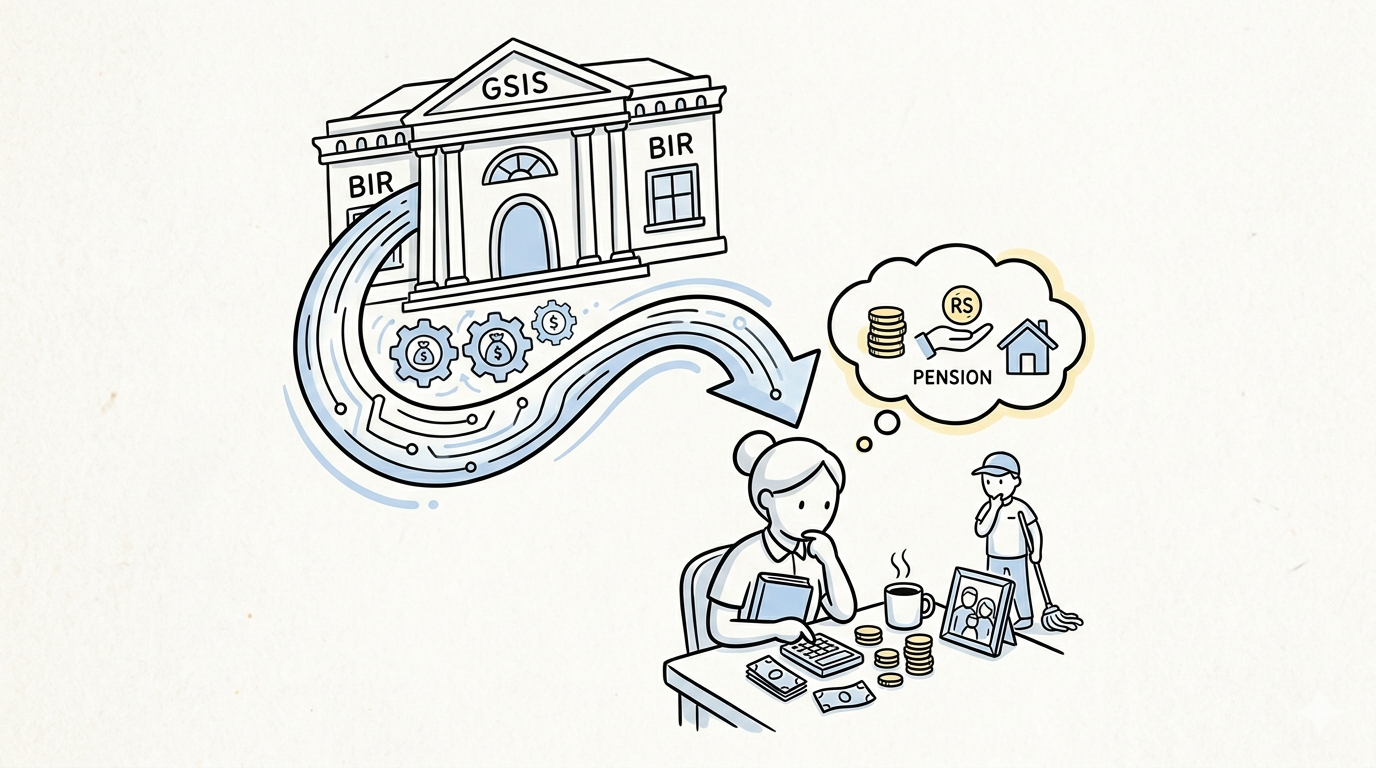
When we talk about "fund sustainability" in high-level economic forums, it sounds abstract. In the real world, fund sustainability means answering a very simple, heavy question: “Will the money be there when I retire?”
For decades, the anxiety of public workers has been the fear of bureaucratic delays or, worse, the depletion of funds before they can reap the benefits of their labor. If a retirement fund is mismanaged, the processing of claims slows down. A delay of three to six months in receiving a pension does not just mean paperwork backlog; it means a family struggling to pay for groceries or a lolo having to borrow money from high-interest informal lenders just to cover basic utilities. Improved fund management means that digitized systems, quicker loan approvals, and seamless pension disbursements become realities rather than promises.
Similarly, tax communication is an area that directly affects small micro-enterprises and average workers. The Philippine tax system can be a confusing maze for a sari-sari store owner trying to comply with local regulations, or a freelance digital worker trying to register honestly. When an agency like the BIR struggles to articulate its policies clearly and consistently, it creates an environment of fear and confusion.
Ordinary citizens often view tax compliance not as a civic duty, but as an intimidating hurdle. Clear, timely, and empathetic communication from the state's tax collector can bridge this gap, ensuring that small business owners understand their rights and duties without feeling overwhelmed by complex jargon.
Connecting the Macro to the Community
Changes in major national institutions serve as an important reminder of why community-level awareness and localized social protection systems are so critical. While policies are shaped at the central offices in Manila, their success or failure is judged by how they perform in the provinces and small towns.
This dynamic reflects why community-based efforts around social welfare, digital literacy, and livelihood protection matter so deeply. When national systems undergo transitions, grassroots community organizations often serve as the first line of defense—helping ordinary citizens navigate changing policies, understand their rights as consumers and state workers, and build local safety nets that protect families when larger institutional changes take time to settle.
A resilient community does not just passively wait for the benefits of new governance to trickle down; it actively understands how these institutions work so that citizens can demand better services, hold leaders accountable, and protect their livelihoods from economic vulnerabilities.
Moving Forward with Watchful Eyes
A change in leadership is always a window of opportunity. It brings fresh perspectives to old systemic problems, such as long lines at regional branches, confusing online portals, and the slow resolution of disputed claims. The appointments of a new GSIS chair and a BIR spokesperson should be met with cautious optimism, but more importantly, with civic vigilance.
The true measure of success for these new officials will not be found in the smoothness of their initial press statements or the praise from economic managers. It will be found in the experiences of the ordinary Filipino. Success is a public school teacher easily accessing an emergency loan during a crisis. Success is a senior citizen receiving their pension without tech errors. Success is an ordinary taxpayer understanding exactly where their hard-earned money goes.
As these new heads assume office, the public interest lies in watching how these institutional promises translate into household security. After all, governance is not measured by the titles leaders hold, but by how well they protect the lives and futures of the people they are sworn to serve.
Lahat tayo masaya kapag may balita tungkol sa bagong liderato sa gobyerno, pero alam ba natin kung ano ang epekto nito sa sarili nating bulsa? May mga bagong mukha ngayon sa GSIS at BIR. Ang tanong: Mapapabilis na ba ang pension ni lolo, at magiging malinaw na ba ang patakaran sa buwis para sa mga maliliit na negosyo? Alamin kung bakit dapat nating bantayan ang mga pagbabagong ito.

Power Our Mission, Shape the Future
We empower single parents, PWDs, youths, seniors, and stay-at-home parents through digital livelihood.
Help us build resilient communities.
BUKLURAN remains open to partnerships, sponsorships, and collaborative initiatives that create meaningful community impact.
Whether through funding, in-kind support, volunteerism, or shared services, your organization can help strengthen programs that serve underserved communities.
Do you want to take part in our free livelihood programs, scholarship assistance, and community resource pooling initiatives? Membership is completely free.
Join BUKLURAN!
Register, volunteer, and become a member today.