The Hidden Question Behind the Rise of the Filipino Bartender
A certified skill can change a family’s financial reality overnight, but what happens after the bottles are put away?
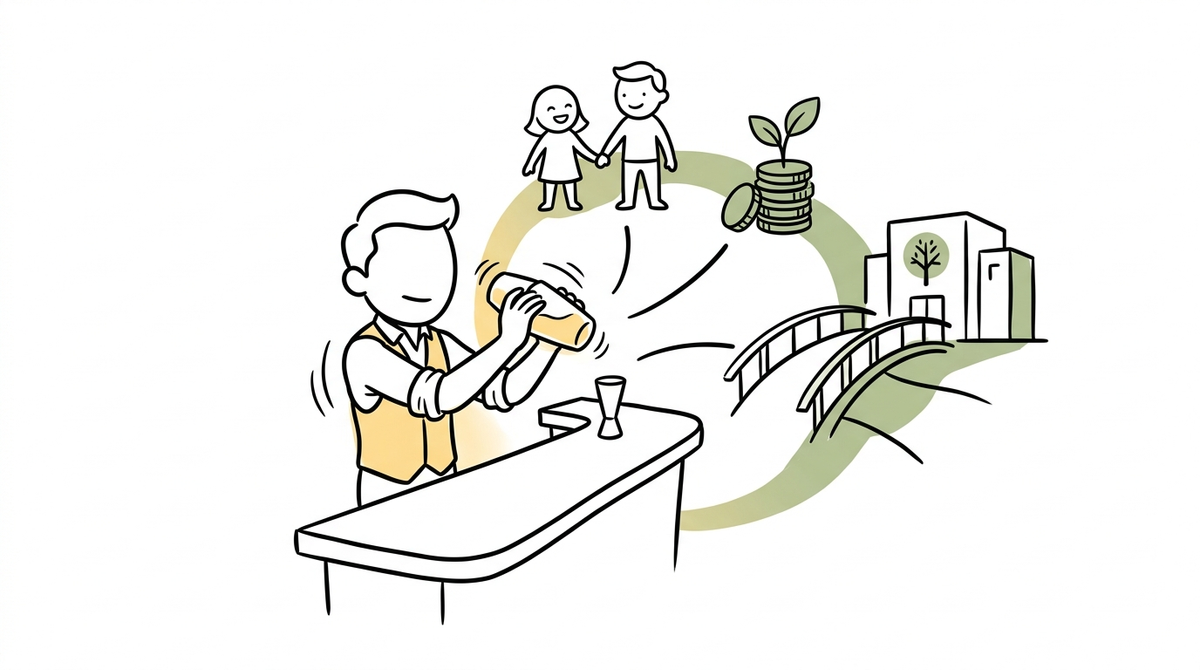
While the rising demand for certified bartenders offers a quick path to employment, it highlights deeper structural challenges regarding long-term career stability and the emotional toll of working away from home.
If you walk into any neighborhood community or sit down for a quick chat over a family dinner, the conversation eventually turns to the future. Parents look at their children and wonder what kind of work will keep a roof over their heads and food on the table. For generations, the dream was a four-year college degree—a diploma to hang on the wall, signifying a steady office job. But today, the conversation is changing. Increasingly, families are looking at practical, immediate skills that can be converted into a paycheck not in years, but in months.
Recently, public attention has turned toward a specific sector of the hospitality industry: bartending. There is a documented, visible surge in demand for certified bartenders, both in local resorts and on international cruise ships and hotels. Government vocational agencies like the Technical Education and Skills Development Authority (TESDA) have even partnered with major global beverage corporations to upgrade training standards. On paper, it sounds like an unalloyed victory. A young person gets certified, learns the craft, finds a job, and starts sending money home.
But if we look past the initial excitement of job announcements and partnership signings, we have to ask the deeper questions that matter to ordinary Filipino households. What does it really mean when our workforce increasingly pivots toward short-term, highly specialized service roles? Does a certificate in mixology guarantee a sustainable life, or is it a temporary band-aid on a much larger employment problem?
To understand the reality of this trend, one must look at the nature of the hospitality industry itself. For many young Filipinos, bartending is seen as a fast track out of poverty or underemployment. The training is relatively brief compared to a university degree, and the skills are universally transferable. A well-trained bartender understands inventory, customer psychology, hygiene standards, and precision. When local tourism bounces back or an international cruise line goes on a hiring spree, these individuals are the first to get called. The immediate financial relief for a family cannot be understated; a single family member landing a stable hospitality role can mean regular meals, paid tuition for younger siblings, and electricity bills settled on time.
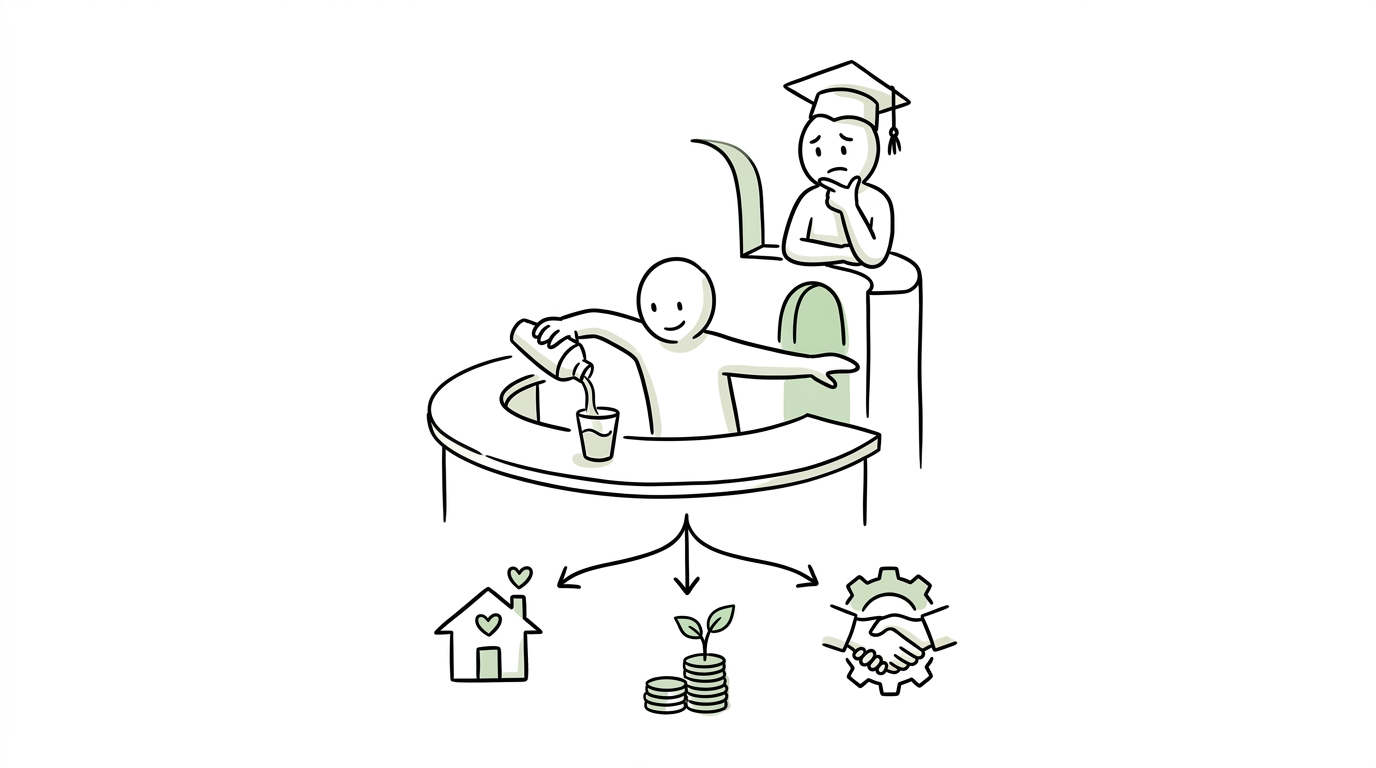
However, the service industry carries overlooked implications that rarely make it into official economic reports. Bartending is a physically demanding, high-stress profession that often requires working irregular hours, late nights, and holidays—the exact times when the rest of society is resting or celebrating with their loved ones. For those who find work abroad, the trade-off is even steeper. The promise of higher foreign currency wages comes with the heavy emotional cost of separation from children, spouses, and aging parents.
Furthermore, there is the question of long-term career longevity. The physical toll of standing for ten hours a night, managing high-volume crowds, and navigating the social pressures of nightlife environments means that bartending is often viewed as a young person’s game. What happens to a skilled bartender when they reach their late forties or fifties? Without a clear pathway from entry-level service work to supervisory, managerial, or entrepreneurial roles, a vocational certificate can become a golden cage—offering immediate survival but limited upward mobility over a lifetime.
This tension between immediate livelihood and long-term security is a daily reality in communities across the country. It is the reason why many parents feel a complex mix of pride and anxiety when their children choose vocational paths. They are grateful for the job, but they worry about what happens when the physical strength required for that job inevitably wanes.
This issue reflects why community-based efforts around holistic livelihood development and sustainable resource management matter. When technical skills are paired with broader financial literacy, community organizing, and diverse local economic opportunities, individuals are not forced to rely solely on external or volatile service sectors. True resilience happens when a community can support its members both when global industries are booming and when they inevitably slow down. Securing a job is only the first step; creating an environment where a worker can grow, save, and eventually invest back into their own neighborhood is what transforms a temporary paycheck into lasting security.
Ultimately, the rise of the Filipino bartender is a testament to the adaptability, grit, and world-class talent of ordinary citizens. Filipinos have an innate ability to turn a skill into an art form, making themselves indispensable on the global stage. But as we celebrate these new employment avenues, we must remember that our workers are more than just economic assets to be exported or utilized for seasonal tourism.
A job should do more than just help a family survive the current month. It should offer a glimpse of a stable future, a path toward personal growth, and the assurance that one’s hard work will build something that lasts. As more young Filipinos step behind the bar to mix drinks for the world, we must continue to ask how we can better protect their well-being, secure their long-term futures, and build a society where a family's stability doesn't depend entirely on the next shift.
Lahat tayo masaya kapag may bagong oportunidad sa trabaho, tulad ng dumaraming demand para sa mga bartender dito at sa abroad. Pero sapat na nga ba ang mabilisang sertipiko para masiguro ang kinabukasan ng isang pamilya? Sa likod ng mga magagandang sahod, may mga hamon sa kalusugan, puyat, at pangmatagalang seguridad na bihira nating mapag-usapan. Ano nga ba ang totoong kapalit ng trabahong ito para saordinaryong Pilipino?

Power Our Mission, Shape the Future
We empower single parents, PWDs, youths, seniors, and stay-at-home parents through digital livelihood.
Help us build resilient communities.
BUKLURAN remains open to partnerships, sponsorships, and collaborative initiatives that create meaningful community impact.
Whether through funding, in-kind support, volunteerism, or shared services, your organization can help strengthen programs that serve underserved communities.
Do you want to take part in our free livelihood programs, scholarship assistance, and community resource pooling initiatives? Membership is completely free.
Join BUKLURAN!
Register, volunteer, and become a member today.