The Hidden Thread: Why a Government Data Breach Is Actually a Family Matter
When government systems leak, it is ordinary citizens who pay the price. Here is why a new cybersecurity move matters to your family.
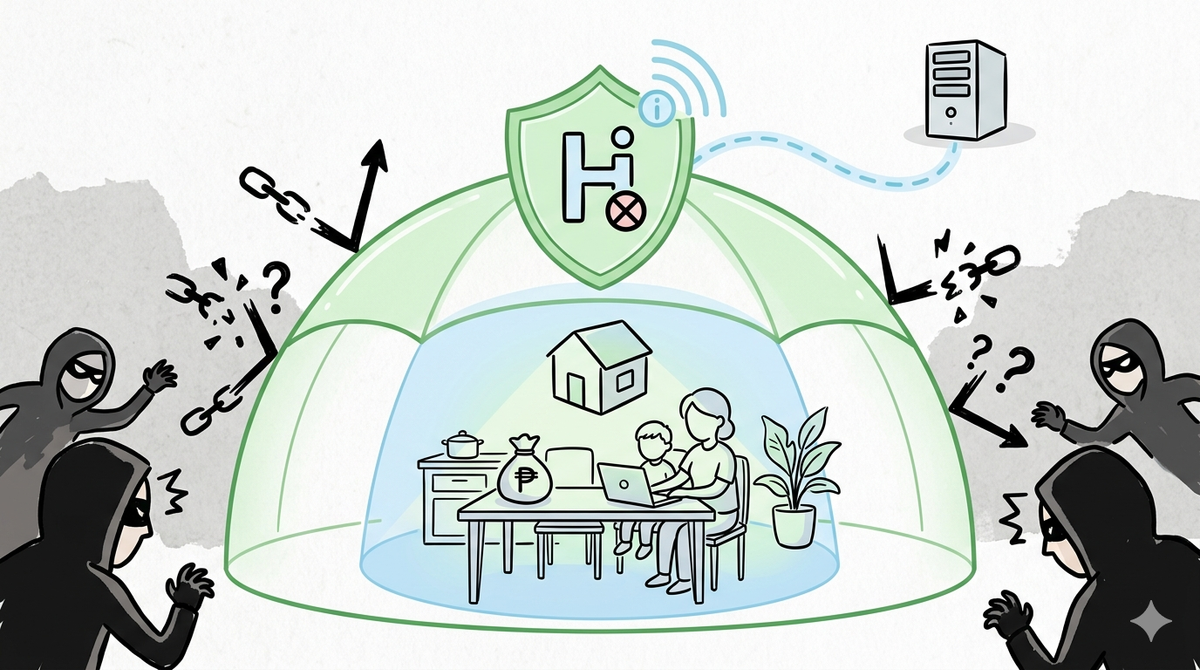
While the Philippine government’s partnership with 'Have I Been Pwned' secures official domains, its true value lies in protecting ordinary citizens from the cascading real-world effects of identity theft and financial scams.
Imagine waking up on a regular payday morning, opening your mobile banking application to transfer money for your monthly groceries and utility bills, only to find your balance cleared out. Or picture receiving an aggressive demand letter from a lending company for a loan you never applied for, using a blurred copy of your government ID that you only ever uploaded to an official portal.
For millions of Filipinos, these are no longer far-fetched horror stories found in tech magazines. They are the stressful, exhausting realities of modern life in a highly digitized society. We often treat cyberattacks as abstract, high-tech problems—things that happen to faceless servers, giant corporations, or high-level offices in Manila. We read headlines about systems being compromised, shrug our shoulders, and move on with our day, assuming that if we did not personally click a suspicious link, we are safe.
But our digital lives are deeply interconnected. When the systems built to hold our public records suffer a vulnerability, the ripple effect travels fast, straight down to the kitchen tables of ordinary households.
The News Behind the Screen
Recently, the Philippine government, through the Department of Information and Communications Technology (DICT) and the National Computer Emergency Response Team (NCERT), took a step to address this growing vulnerability. The country officially joined the free government monitoring service of Have I Been Pwned (HIBP)—a globally recognized, highly trusted platform that tracks internet data breaches.
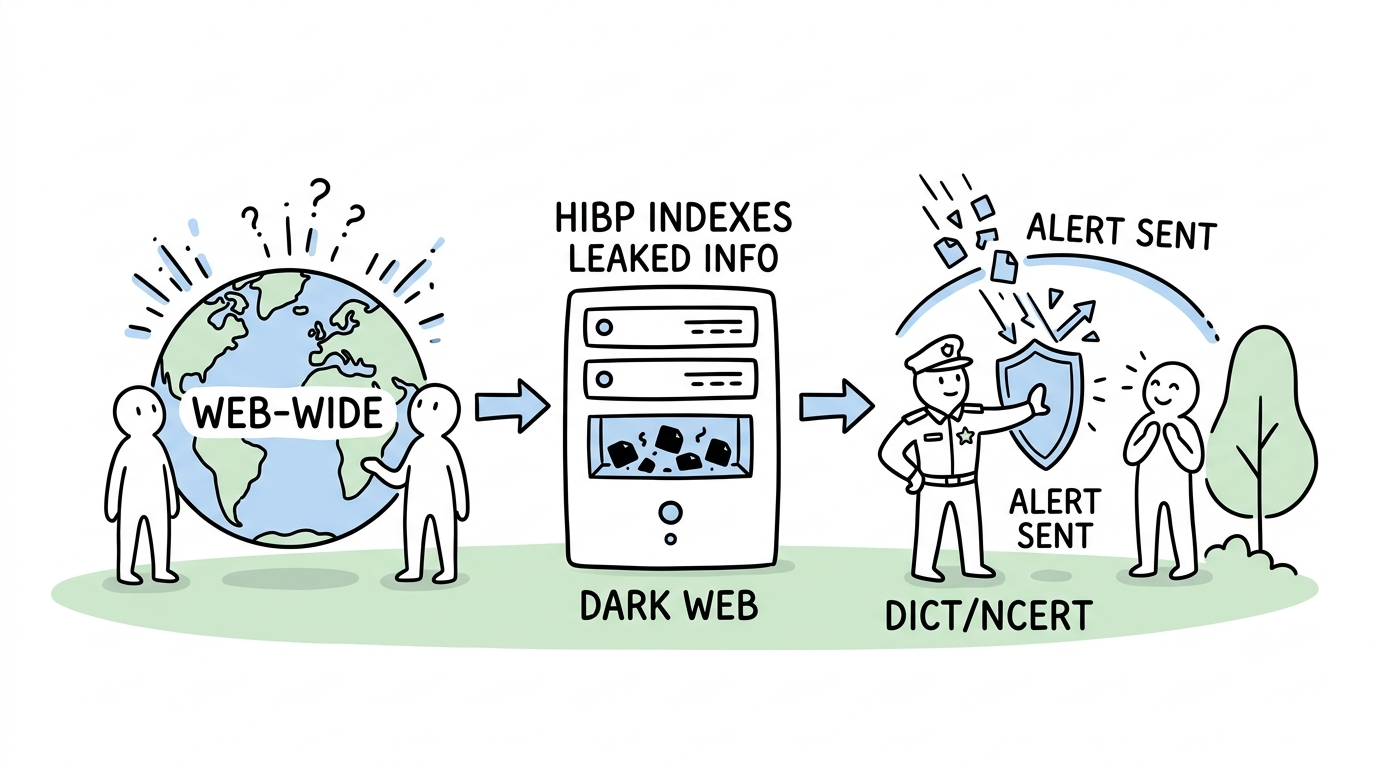
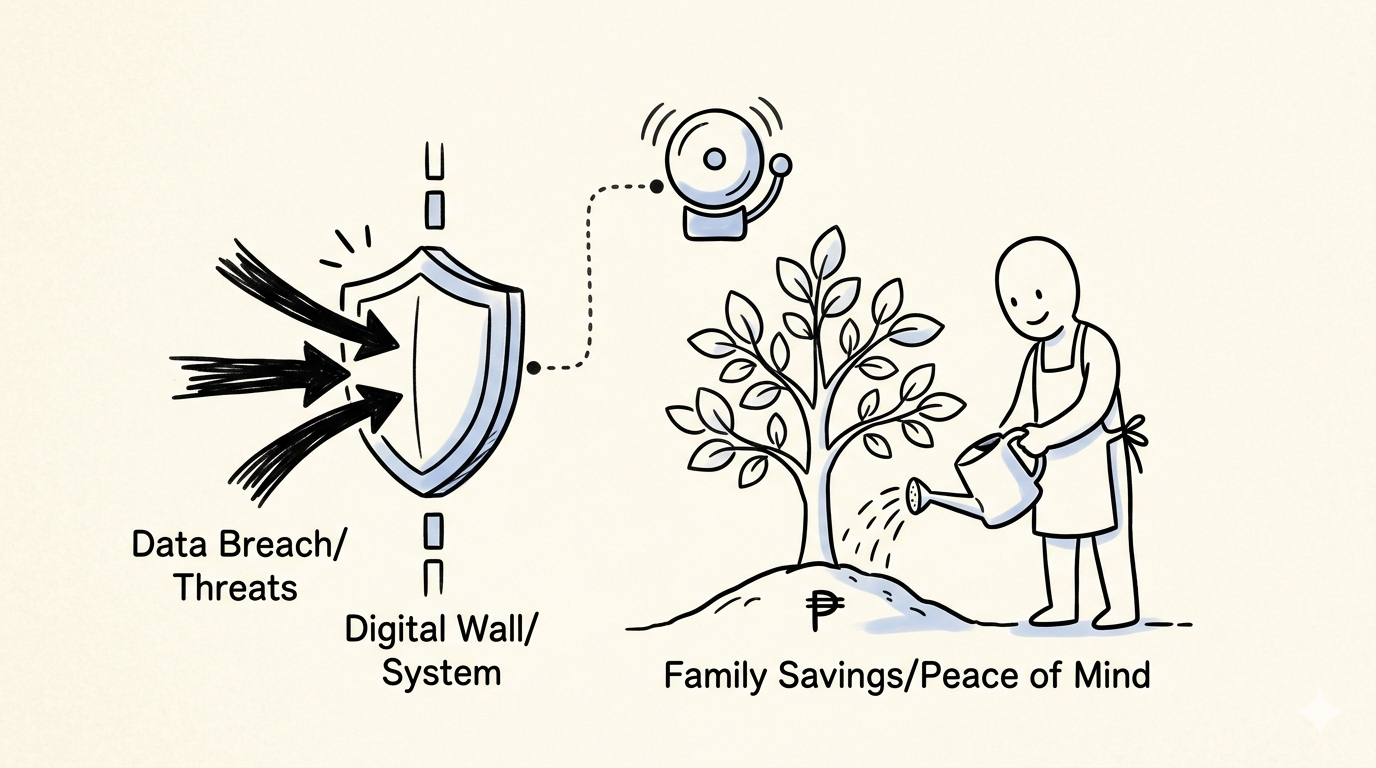
Under this partnership, tech authorities will receive instant, automated alerts whenever an official government email address or domain identifier appears in a known data leak on the dark web. Think of it as a smoke detector specifically calibrated for public digital real estate. It does not prevent a fire from starting, but it ensures that the moment smoke enters the room, an alarm sounds, allowing the IT personnel to change passwords, lock down access points, and isolate compromised systems before deeper damage can occur.
While this setup specifically monitors official government accounts, the strategic rationale behind it runs much deeper than protecting administrative emails. It is a foundational effort to patch a critical dam before the water spills over into civilian communities.
What This Really Means for Everyday Life
To understand why this matters to someone who does not work in government, we have to look at how modern cybercriminals operate. Hackers rarely target government networks just to disrupt official calendars or read mundane administrative memos. They target these networks because government systems are the single largest repositories of highly sensitive, highly monetizable citizen data.
When a public sector domain is breached, the stolen credentials often serve as keys to larger vaults. A compromised official email can be used to send highly convincing "phishing" messages to internal colleagues or external citizens. Because the email originates from a legitimate .gov.ph address, an unsuspecting citizen or clerk is far more likely to trust it, inadvertently handing over private records, access codes, or system passwords.
Once structural data is leaked, it is compiled into massive databases and sold to syndicate groups. These groups use the information to execute precision scams. They know your full name, your birthday, your address, and where you work. When they text or call you posing as bank representatives, delivery riders, or emergency personnel, they sound entirely legitimate because they are reading directly from a leaked official sheet.
The True Cost of a Leak: Cybersecurity in public agencies is not about safeguarding state secrets; it is about protecting the digital identity, hard-earned savings, and peace of mind of the riding, working, and consuming public.
Connecting the Dots to Our Neighborhoods
When we look closely at our neighborhoods, digital security reveals itself as a community welfare issue. Consider who suffers the most when identity theft occurs.
- The Working Class: A minimum-wage earner who loses ten thousand pesos to a digital scam cannot simply recover the loss on the next paycheck. That loss translates directly to missed rent, reduced food budgets, or unpaid school fees.
- Our Senior Citizens: Lacking deep digital literacy, our elderly relatives are disproportionately targeted by scammers using leaked information to manipulate them into giving up access to their retirement funds or pensions.
- The Local Economies: Small community businesses relying on digital payments face a severe loss of consumer trust whenever major breaches make the public fearful of transacting online.
The long-term consequence of unmonitored data leaks is the systemic erosion of public trust. If citizens feel that registering for public programs, applying for licenses, or using digital identity systems exposes them to financial ruin, they will withdraw from these digital ecosystems entirely. In an era where economic advancement relies heavily on digital adoption, this hesitation slows down local development and isolates vulnerable communities further.
The Ground Reality of Digital Safety
This focus on safeguarding community welfare highlights why localized, grass-roots initiatives around digital literacy and community resilience are so critical. Tech tools and high-level monitoring agreements like HIBP provide a vital shield at the macro level, but shields only work if the people on the ground know how to defend themselves as well.
True safety requires a two-way street. While national institutions work to keep the institutional infrastructure secure, communities must be equipped with the awareness to handle their personal entry points. This means fostering environments where families discuss online safety just as naturally as they discuss locking the front door at night. Understanding how to spot a phishing message, realizing that legitimate institutions will never ask for a one-time password (OTP), and knowing where to report digital harassment are crucial defensive skills that every community member needs to master.
Moving Forward Safely
Securing our public digital spaces is an ongoing journey with no definitive finish line. The integration of global tracking tools into our national cyber defense strategy is a welcome step toward proactive governance, showing an understanding that digital threats require rapid, modern responses.
Yet, as we move forward into an increasingly digital future, we must remember that the strongest security system is one that values the person behind the screen. True digital resilience is achieved when institutional vigilance is matched by community empowerment, ensuring that technology remains a tool for economic progress rather than a source of financial anxiety.
How can we, in our own small ways within our homes and neighborhoods, begin creating a safer, more vigilant digital space for those who rely on us?
Lahat tayo masaya kapag mas mabilis na ang mga online na serbisyo ng gobyerno. Pero naisip mo na ba kung ligtas ba ang mga ibinibigay nating impormasyon? Kapag nagkaroon ng leak sa mga official systems, hindi lang data ang nawawala—direktang apektado ang perang pinaghirapan at ang seguridad ng iyong pamilya mula sa mga kumakalat na scams. Paano nga ba tayo maaapektuhan ng pinakabagong hakbang sa cybersecurity ng bansa?
Power Our Mission, Shape the Future
We empower single parents, PWDs, youths, seniors, and stay-at-home parents through digital livelihood.
Help us build resilient communities.
BUKLURAN remains open to partnerships, sponsorships, and collaborative initiatives that create meaningful community impact.
Whether through funding, in-kind support, volunteerism, or shared services, your organization can help strengthen programs that serve underserved communities.
Do you want to take part in our free livelihood programs, scholarship assistance, and community resource pooling initiatives? Membership is completely free.
Join BUKLURAN!
Register, volunteer, and become a member today.