The Price of Bright Lights: Why Saving Energy in Government Offices Matters at Home
When public offices waste energy, you pay the bill. Here is how a new green project could change everyday Filipino life.
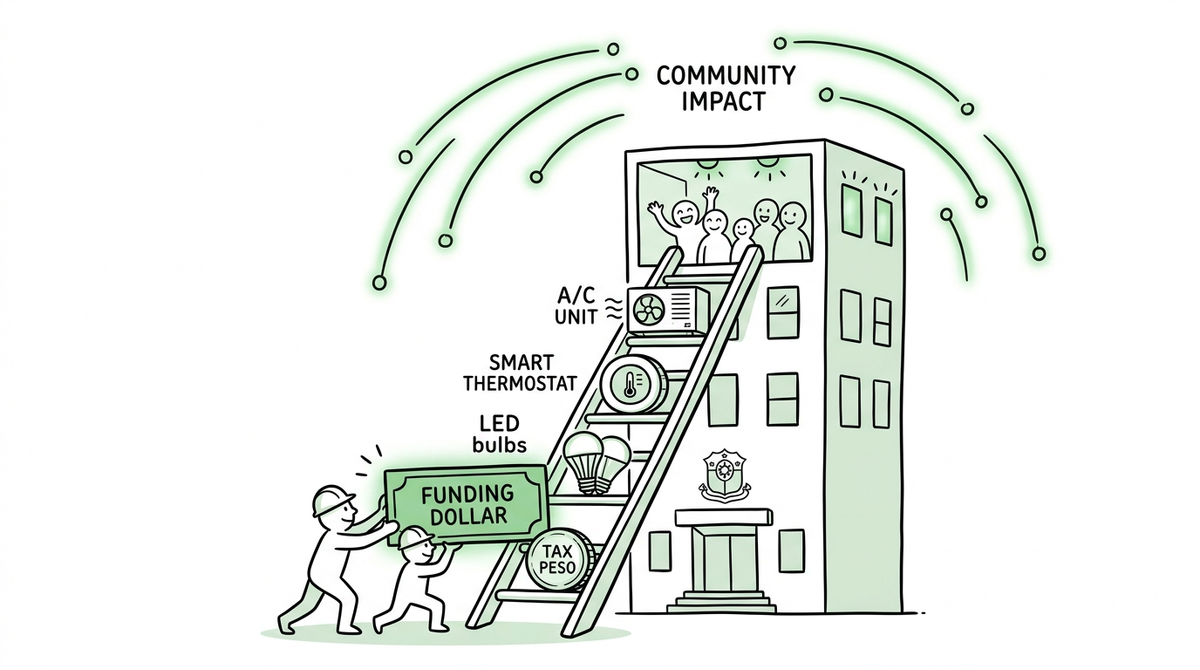
The Asian Development Bank's plan to fund energy-efficient upgrades for Philippine government buildings highlights how reducing public sector electricity waste directly relieves financial burdens on ordinary taxpayers.
Think about the last time you stepped into a local government office to renew a document or request a permit. You might remember the long lines, the heat outside, and the sudden chill of an air-conditioning unit blasting at maximum capacity in an old, high-ceilinged room. For many Filipinos, that blast of cold air feels like a brief comfort. But if you look a little closer, you might see old fluorescent bulbs flickering overhead, ancient desktop computers humming loudly, and windows that do not quite seal shut, letting the expensive cold air escape straight into the street.
It is easy to view these public offices as separate from our personal lives. We walk in, finish our business, and go home to manage our own household budgets, carefully turning off appliances to keep our monthly electric bills from skyrocketing. However, the energy wasted inside those large municipal halls, provincial capitols, and national agency headquarters is not free. The public sector is one of the largest consumers of electricity in the entire country. Every uninsulated wall, outdated cooling system, and left-on light bulb in a government office is paid for by the collective contributions of working citizens. When the state's utility bills balloon, it leaves less room in the national budget for vital services like public hospitals, school classrooms, and community roads.
Turning a Mandate Into Reality
The challenge of making public buildings energy-efficient is not a new conversation in the Philippines. Years ago, the government passed the Energy Efficiency and Conservation Act, a law designed to force state agencies to cut down on their power consumption and lead the nation by example. The goal was noble, but the execution hit a familiar roadblock: a lack of funding. Upgrading an old structure to modern, green standards requires significant upfront capital. Replacing thousands of old lighting fixtures, installing smart central cooling systems, and retrofitting decades-old architecture requires money that local government units and national agencies often have to prioritize for immediate social relief or emergency response.
To bridge this gap, the Asian Development Bank (ADB) is currently laying the groundwork to finance a specialized project aimed directly at improving energy efficiency across government buildings in the Philippines. By providing the necessary financial runway, this international development partner aims to help the state finally implement the green upgrades required by law. The funding is intended to jumpstart retrofitting projects, allowing public structures to reduce their carbon footprints and, more importantly, drastically slash their monthly power consumption.
What This Really Means Behind the Scenes
On paper, an energy efficiency project sounds like a dry, bureaucratic matter involving contractors, engineering blueprints, and institutional loan agreements. But moving past the financial jargon reveals substantial long-term implications for the average Filipino family.
First, consider the direct economic relief. Government operations are funded by taxes—whether through the income tax deducted from your salary, or the Value Added Tax (VAT) attached to the groceries and fuel you buy every day. When a massive government complex reduces its electricity use by thirty or forty percent, that translates to millions of pesos saved every single month. Those saved resources can be redirected toward localized community programs, maternal health centers, or public school supplies. Efficiency in government buildings means your hard-earned tax pesos are utilized to assist people, rather than being wasted on inefficient cooling grids.
Second, this initiative provides a crucial spark for the local economy. Transitioning hundreds of public buildings into green structures creates immediate demand for local labor, engineering talent, construction suppliers, and specialized maintenance workers. Local contractors will need to source energy-compliant materials, install solar arrays, and deploy smart building systems. This creates stable, skilled employment opportunities within our communities, proving that green transitions can simultaneously serve as economic drivers.
Connecting the Grid to the Community
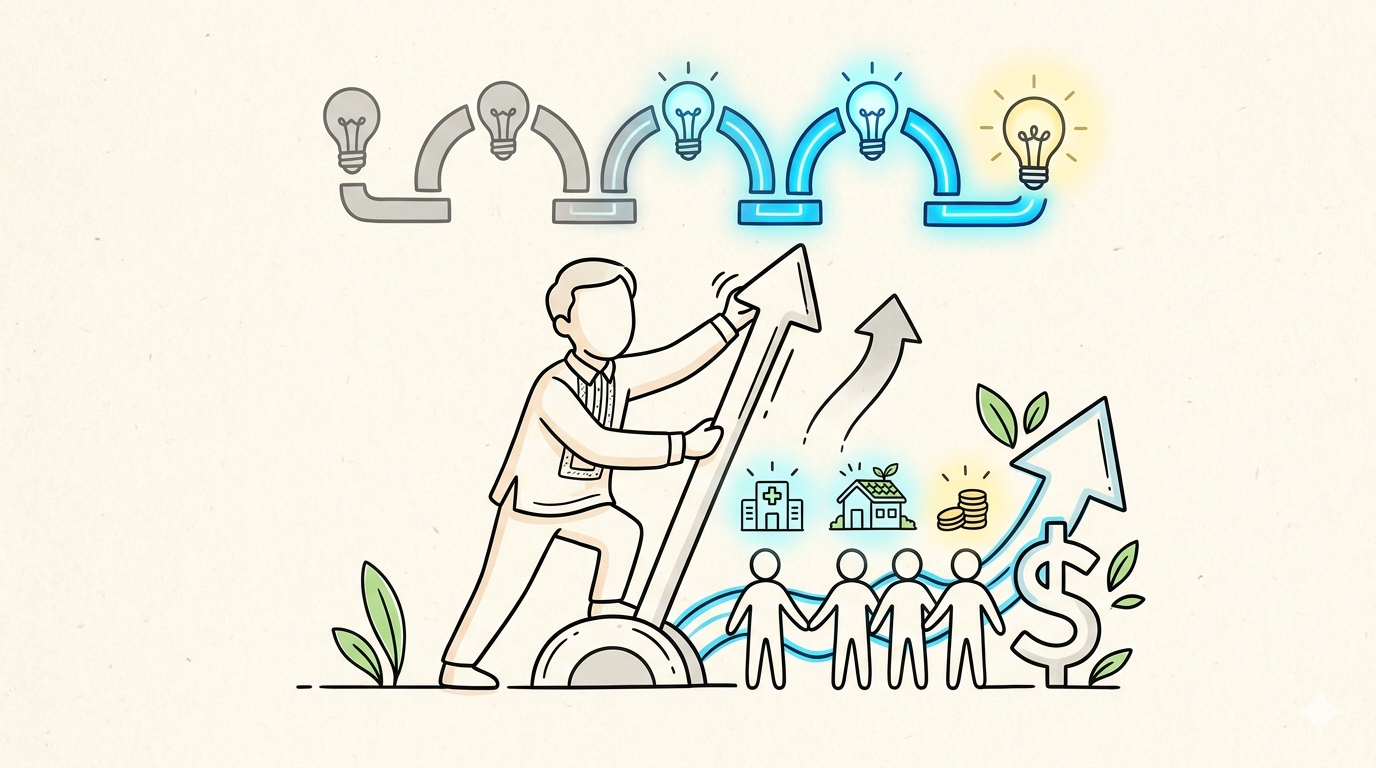
The benefits of upgrading our public spaces extend beyond macroeconomic figures; they alter the daily realities of the people who interact with the state.
- For the Public Servant: Thousands of everyday government employees work in overcrowded, poorly ventilated offices where the temperature fluctuates wildly. Improving a building’s climate controls and lighting creates a safer, healthier, and more comfortable workspace, which naturally boosts productivity and reduces workplace fatigue.
- For the Everyday Citizen: When you visit a public office to secure an identification card or register a microenterprise, the physical environment affects your experience. Well-designed, energy-efficient spaces mean better indoor air quality, better lighting, and more reliable power systems that prevent digital network outages during peak hours.
- For the Next Generation: The environmental impact of burning less fossil fuel to power government infrastructure directly influences the air quality and climate resilience of our neighborhoods. It sets a visible, tangible example for children, showing that sustainable management is possible at a systemic level.
This focus on localized sustainability highlights why community-based efforts around digital literacy, clean surroundings, and efficient resource use matter. When local neighborhoods practice resource management alongside larger institutional upgrades, the cumulative impact creates an environment capable of weathering economic and climate uncertainties. Real, lasting security begins when communities and institutions work together to minimize waste and protect shared resources.
Looking Toward a Sustainable Horizon
True progress is rarely found in isolated announcements or international agreements. It is found in how those agreements alter the physical spaces where citizens seek help, find employment, and build their lives. Upgrading government offices to use less electricity might seem like a small drop in the bucket when confronting global environmental shifts, but it represents an essential shift in institutional accountability.
As these green retrofitting projects begin to take shape across the provinces, they invite us to reconsider our relationship with public infrastructure. A government building should not be viewed merely as a concrete block where paperwork accumulates; it is a shared house funded by the community. Ensuring that this house runs efficiently, respects public funds, and protects the environment is a vital step toward building the sustainable future that every Filipino family deserves.
Lahat tayo masaya kapag nakakatipid sa kuryente sa sarili nating tahanan. Pero alam niyo ba kung saan napupunta ang milyong-milyong pisong halaga ng kuryenteng nasasayang sa mga luma at pampublikong opisina ng gobyerno? Ang sagot ay sa sarili nating mga bulsa. Isang bagong proyekto ang naglalayong baguhin ito upang ang pera ng mamamayan ay hindi mapunta sa sayang na enerhiya.

Power Our Mission, Shape the Future
We empower single parents, PWDs, youths, seniors, and stay-at-home parents through digital livelihood.
Help us build resilient communities.
BUKLURAN remains open to partnerships, sponsorships, and collaborative initiatives that create meaningful community impact.
Whether through funding, in-kind support, volunteerism, or shared services, your organization can help strengthen programs that serve underserved communities.
Do you want to take part in our free livelihood programs, scholarship assistance, and community resource pooling initiatives? Membership is completely free.
Join BUKLURAN!
Register, volunteer, and become a member today.