The Tech Hub Next Door: What a Global AI Investment Means for Everyday Filipinos
A massive new AI and microchip hub is planned for Luzon. Beyond the high-tech talk, what does this mean for your family’s future?
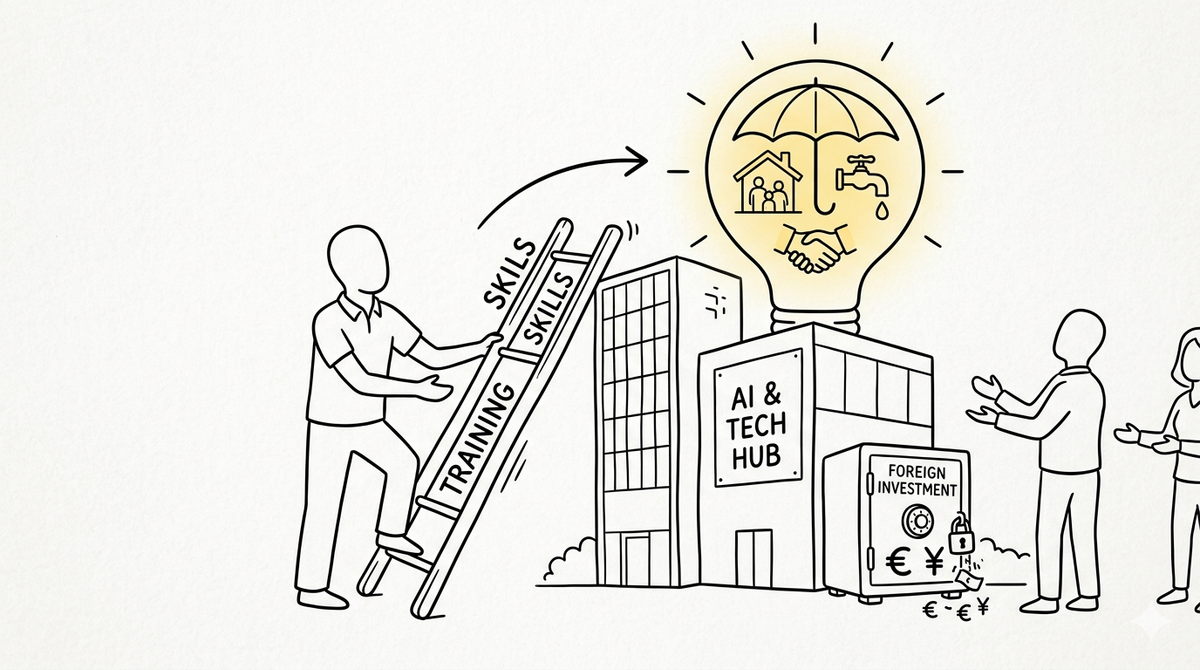
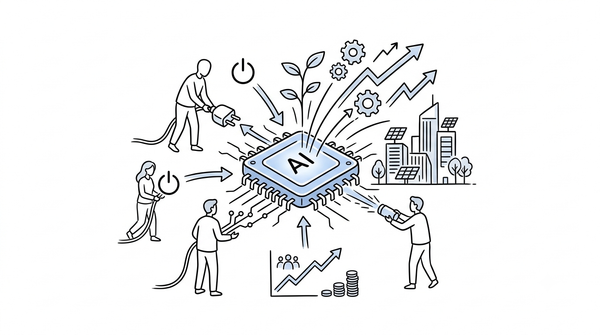
The planned Japan-US-Philippines investment forum for an AI and semiconductor hub on Luzon Island presents massive economic possibilities, but its true success depends on whether it creates meaningful, accessible opportunities for everyday Filipinos.
Walk into any local coffee shop, ride a crowded jeepney during rush hour, or sit at a family dinner table, and you will hear the real pulse of our country. People are talking about the rising cost of groceries, the daily grind of commuting, the struggle to find stable jobs close to home, and the dream of keeping their children from having to look for work overseas. These are the immediate realities that define life for millions of Filipino families.
So, when headlines break about multi-billion dollar international treaties, global semiconductor supply chains, and high-tech economic corridors, it can feel incredibly distant. It sounds like a world built for elite scientists and foreign executives, happening far above the heads of ordinary citizens who are just trying to get through the week.
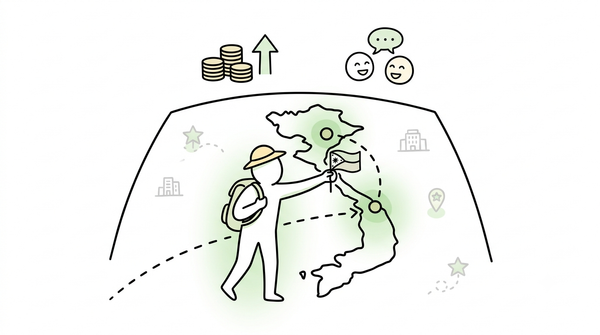
Yet, a major development is brewing right on our doorstep. The governments of Japan, the United States, and the Philippines are finalizing plans to hold a major trilateral investment forum this coming September. The goal of this summit is to channel foreign investments directly into Luzon Island, turning it into a specialized regional hub for Artificial Intelligence (AI), microchip manufacturing, and advanced technologies. Backed by a planned 16-square-kilometer "economic security zone" spearheaded by the U.S. and partnership invitations from Japan, this initiative aims to embed the Philippines deeply into the global technology ecosystem.
It is easy to get swept up in the language of international diplomacy and corporate progress. We hear words like "economic security," "technological capability," and "infrastructure development," and it sounds like a massive win. But if we want to truly understand this development, we have to look past the glitz of the corporate brochures and ask the most fundamental question in public interest journalism: Why should an ordinary Filipino care?
To answer that, we must look at what this tech hub actually is. The September forum is a direct offshoot of the Luzon Economic Corridor, an initiative born out of the 2024 trilateral summit between the three nations. This isn't just a general agreement to be friendly neighbors; it is a strategic effort to build a physical and digital sanctuary for high-value industries. The planned hub is designed to draw in Japanese and American tech companies, satellite communication providers, advanced data centers, and semiconductor factories. Furthermore, Japanese officials are looking to bring in firms specialized in AI-driven disaster prevention—technologies that use social media data and predictive algorithms to track typhoon paths, identify flooded roads, and locate isolated communities during calamities.
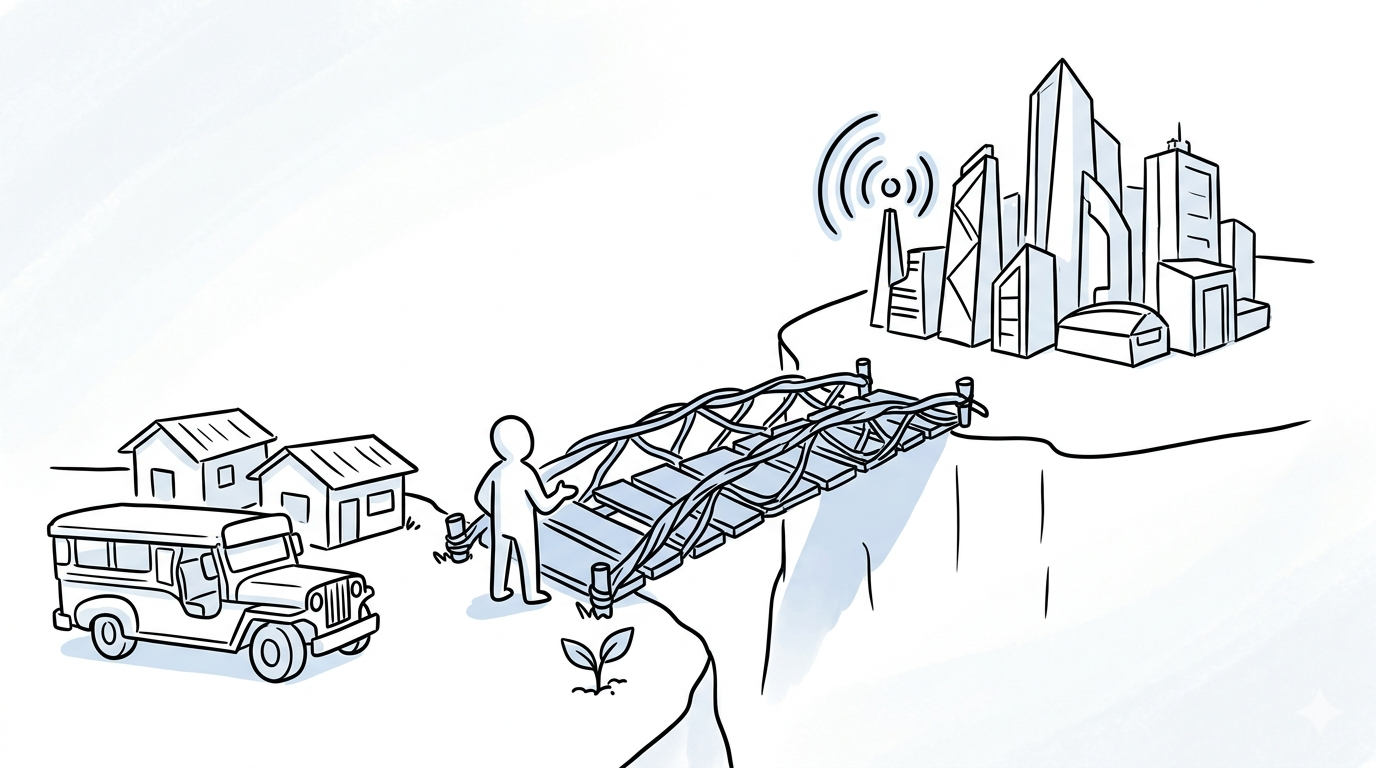
On paper, the potential is staggering. If these foreign companies set up shop, billions of pesos could pour into local infrastructure, energy networks, and transit systems across Luzon.
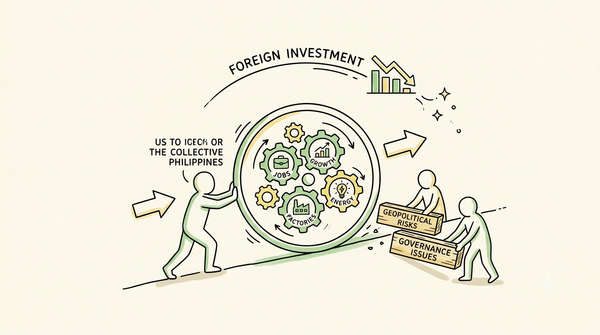
However, the history of mega-investments in developing nations tells us that a rising economic tide does not automatically lift every boat. True development is not measured by the number of data centers built or the amount of foreign capital registered in government ledgers. It is measured by whether an ordinary citizen can look at that tech hub and see a viable path to a better life for their family.
Consider what this means for employment. The promise of an "AI Hub" naturally sparks hope for high-paying jobs. But we must look closely at the nature of those jobs. High-tech hubs require highly specialized skills—data scientists, software engineers, and precision microchip technicians. Right now, the vast majority of our workforce is concentrated in service industries, agriculture, and traditional business process outsourcing (BPO). If a massive technology zone opens up but local communities lack the specific training required to work inside it, the high-paying jobs will simply be filled by foreign expatriates or a tiny, highly privileged segment of the local population. The communities living right outside the gates of the economic zone might find themselves limited to low-wage security, maintenance, and construction work.
This creates a critical challenge for our educational and training systems. For this investment to truly benefit the public, there must be an aggressive, immediate push toward digital literacy and localized technical training. If our public schools and community colleges are not equipped to teach the skills these new industries demand, our youth will remain onlookers in their own country’s industrial evolution.
There is also the question of daily infrastructure. High-tech data centers and semiconductor manufacturing plants are notoriously resource-intensive. They require immense, uninterrupted amounts of electrical power and clean water to keep servers cool and fabrication lines running. Many areas of Luzon already struggle with rolling power outages during the dry season and inconsistent water supply. If these massive global tech hubs are prioritized for utility allocation, what happens to the surrounding residential communities? True success means that the infrastructure built for these zones—such as the liquefied natural gas projects mentioned in the treaty—must also lead to more stable, affordable power and cleaner water for the neighborhoods next door.
On the positive side, the inclusion of AI-driven disaster prevention tools offers a deeply practical benefit to everyday life. The Philippines is on the frontlines of climate change, enduring dozens of destructive typhoons every year. If this partnership successfully deploys advanced systems that can accurately predict flash floods down to the barangay level or map out impassable roads using real-time community data, it will save lives. It means a mother will know exactly when to evacuate her children, a fisherman will know when it is truly safe to go to sea, and emergency relief goods will reach isolated families days faster. This is an instance where data doesn't just generate corporate profit—it protects human dignity.
This complex intersection of global technology and grassroots reality reflects exactly why community-based efforts around digital literacy and local economic resilience matter so deeply. When we look at global shifts like the rise of AI, we see that systemic change cannot just happen from the top down. It requires building the capacity of local communities from the ground up, ensuring that ordinary citizens have the digital literacy, resources, and institutional support needed to adapt to an increasingly automated world. Without a strong community foundation, global developments will always feel like someone else's future.
Ultimately, the upcoming September investment forum is not just a collection of business meetings; it is a test of our national priorities. If the Luzon AI Hub is treated merely as a playground for foreign corporations and tax incentives, it will become an island of wealth surrounded by a sea of unchanged struggles.
But it doesn't have to be that way. If our leaders, educational institutions, and civic organizations use this moment to demand deep investments in public education, local talent cultivation, and shared community infrastructure, then this high-tech corridor can become a real engine for social mobility. The real value of an AI hub shouldn't be judged by how smart the machines are, but by how much more secure, stable, and hopeful the lives of ordinary Filipinos become because it is there.
Lahat tayo masaya kapag may balita tungkol sa malalaking foreign investment sa bansa. Pero ano nga ba ang ibig sabihin para sa isang ordinaryong pamilyang Pilipino kung magtatayo ng isang malaking "AI and Microchip Hub" sa Luzon ngayong Setyembre? Magdadala ba ito ng magagandang trabaho para sa karaniwang manggagawa, o para lang ito sa mga eksperto at dayuhan? Alamin ang totoong epekto nito sa ating komunidad at kinabukasan.

Power Our Mission, Shape the Future
We empower single parents, PWDs, youths, seniors, and stay-at-home parents through digital livelihood.
Help us build resilient communities.
BUKLURAN remains open to partnerships, sponsorships, and collaborative initiatives that create meaningful community impact.
Whether through funding, in-kind support, volunteerism, or shared services, your organization can help strengthen programs that serve underserved communities.
Do you want to take part in our free livelihood programs, scholarship assistance, and community resource pooling initiatives? Membership is completely free.
Join BUKLURAN!
Register, volunteer, and become a member today.