Turning Garbage into Electricity: What DOST's Waste-to-Energy Push Means for Filipino Communities
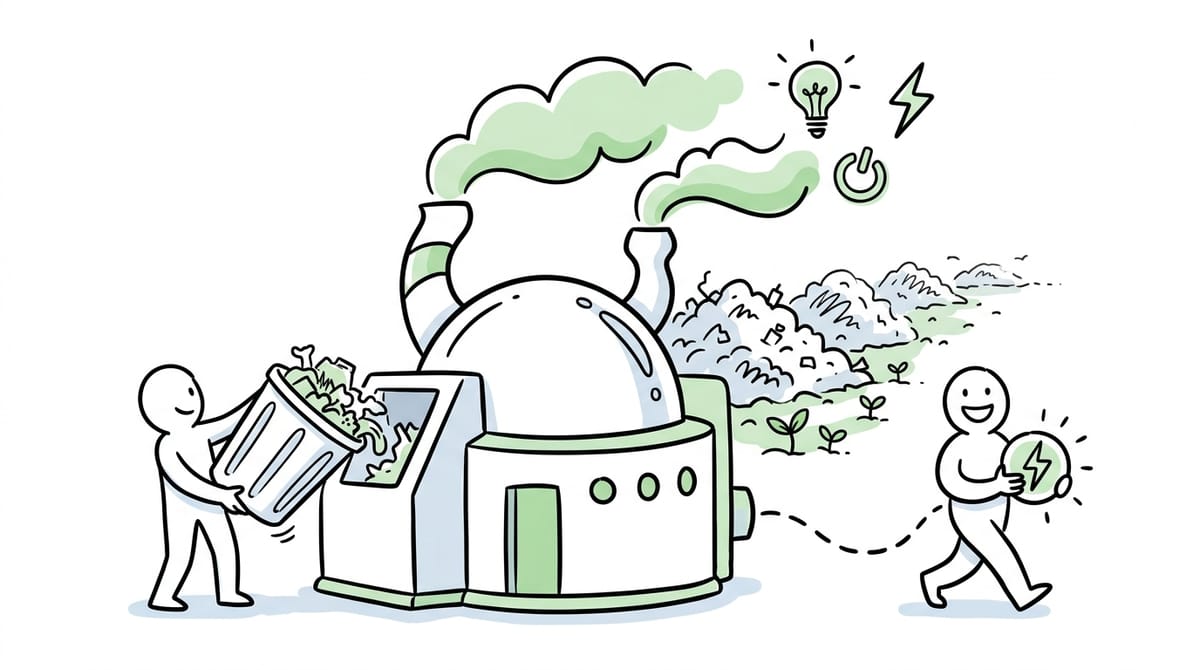
The Department of Science and Technology (DOST) is advocating for waste-to-energy (WTE) solutions to tackle the Philippines' mounting garbage crisis while generating electricity. This article explains how WTE technology works, its benefits, key environmental and financial concerns, and practical waste reduction steps everyday Filipino households can take.
The Department of Science and Technology (DOST) is advocating for the adoption of waste-to-energy (WTE) production in the Philippines. As city landfills overflow and urban communities face worsening waste management challenges, turning trash into usable power is being highlighted as a potential science-based solution.
While turning garbage into electricity sounds like a straightforward fix, implementing waste-to-energy systems involves complex environmental, financial, and community considerations. Understanding how this technology works helps ordinary Filipinos evaluate what it means for local neighborhoods, public health, and municipal budgets.
What Happened?
DOST has publicly emphasized the need to integrate waste-to-energy technologies into the nation’s solid waste management strategy. The goal is twofold: dramatically reduce the volume of municipal solid waste sent to landfills and supplement the country’s energy grid with alternative fuel sources.
Under traditional setups, local government units (LGUs) collect trash and haul it to open dumpsites or sanitary landfills. A waste-to-energy facility processes that collected trash—through thermal combustion, gasification, or biological digestion—to produce heat or electricity.
Why This Matters to Everyday Filipinos
Garbage disposal is a growing issue for every household, small business, and local community in the country. Open dumpsites and overloaded landfills present clear long-term risks:
- Public Health Risks: Unmanaged trash attracts pests, creates foul odors, and contaminates local water sources via leachate (toxic run-off liquid).
- High Municipal Costs: LGUs spend millions of pesos annually hauling and disposing of garbage. Money spent on hauling trash is money unavailable for local health centers, road repairs, or public education.
- Land Scarcity: Land suitable for sanitary landfills is rapidly diminishing, particularly near major urban centers.
Converting non-recyclable waste into energy offers a way to extend landfill lifespans while generating power for local power grids.
SEON Partners with Exist Software Labs to Expand Fraud & AML Tools in Southeast Asia
AI-driven fraud prevention and AML platform providing real-time risk scoring, 900+ data signals, identity verification, and transaction monitoring.
Philippine technology firm with 20+ years of software engineering, cloud, and digital transformation expertise in banking, payments, and e-commerce.
“Combining Exist’s integration expertise with SEON’s real-time fraud and AML technology helps organizations bring signals into a single view and act faster.”
“We are expanding capabilities for our clients by combining advanced fraud prevention with Exist’s systems integration expertise.”
As Southeast Asia’s digital economy accelerates, financial institutions face fragmented fraud tools. This partnership allows businesses in banking, fintech, payments, e-commerce, and iGaming to deploy consolidated compliance controls without building infrastructure from scratch.
What the Headlines Don't Explain
Media announcements often present waste-to-energy as an instant solution to the trash crisis. However, several critical factors govern how WTE operates in practice:
- WTE Requires High Organic Moisture Handling: Philippine household waste contains a high proportion of organic food scraps and high moisture content, which lowers its heating value compared to drier waste in cooler climates.
- Waste Segregation Remains Essential: WTE does not replace recycling. Wet, unsegregated trash reduces combustion efficiency and increases processing costs. Proper segregation at the household level remains necessary.
- High Initial Capital and Operational Costs: Building and maintaining modern, low-emission WTE plants requires significant investment, which LGUs or private operators must recover over time.
- Strict Environmental Regulations Are Critical: Burning municipal waste requires sophisticated filtration and monitoring equipment to prevent the release of toxic air pollutants like dioxins and furans into nearby communities.
How This Could Affect Filipinos
For Households and Families
If an LGU adopts WTE solutions, households will still need to practice basic waste sorting. Proper separation of biodegradable scraps, recyclables, and residual waste ensures that processing facilities run efficiently without unnecessary toxic emissions.
For Local Workers and Informal Recyclers
Informal waste pickers and scrap collectors play a significant role in existing recovery systems. As waste management shifts toward automated facility-based processing, LGUs must plan transitions that protect local livelihoods or integrate collectors into formal material recovery systems.
For Nearby Communities
Residents living near proposed facilities will naturally have questions regarding air quality, traffic from garbage trucks, and odors. Clear, transparent emissions reporting and community safety safeguards are essential whenever new processing plants are built.
Practical Takeaways for Households
While large-scale energy infrastructure depends on government and private sector investment, ordinary households retain direct control over the garbage they produce daily:
- Separate at the Source: Keep food scraps, dry recyclables (paper, plastic bottles, glass), and non-recyclable waste in separate containers.
- Reduce Single-Use Plastics: Decreasing daily plastic waste reduces the total volume sent to both landfills and energy processing plants.
- Support Local Composting: Organic kitchen waste can be turned into garden compost rather than added to municipal trash bags.
- Stay Informed on Local LGU Policies: Track how your municipality manages solid waste, where your trash goes, and what waste management projects are funded in your area.
Looking Ahead
Adopting waste-to-energy technology across the Philippines will require careful coordination between DOST, the Department of Environment and Natural Resources (DENR), local government units, and private energy developers.
Key milestones to monitor include:
- Draft guidelines or standards set by environmental regulators regarding WTE emissions.
- Feasibility studies on how high-moisture tropical waste is processed efficiently.
- Pilot projects established by LGUs in partnership with technology providers.
Science-based waste management offers promising tools, but long-term success relies on combining advanced technology with responsible household waste practices across every community.
Power Our Mission, Shape the Future
We empower single parents, PWDs, youths, seniors, and stay-at-home parents through digital livelihood.
Help us build resilient communities.
BUKLURAN remains open to partnerships, sponsorships, and collaborative initiatives that create meaningful community impact.
Whether through funding, in-kind support, volunteerism, or shared services, your organization can help strengthen programs that serve underserved communities.
Do you want to take part in our free livelihood programs, scholarship assistance, and community resource pooling initiatives? Membership is completely free.
Join BUKLURAN!
Register, volunteer, and become a member today.