Understanding the August Philippine Labor Market Shift: Pathways to Sustainable Employment and Household Stability
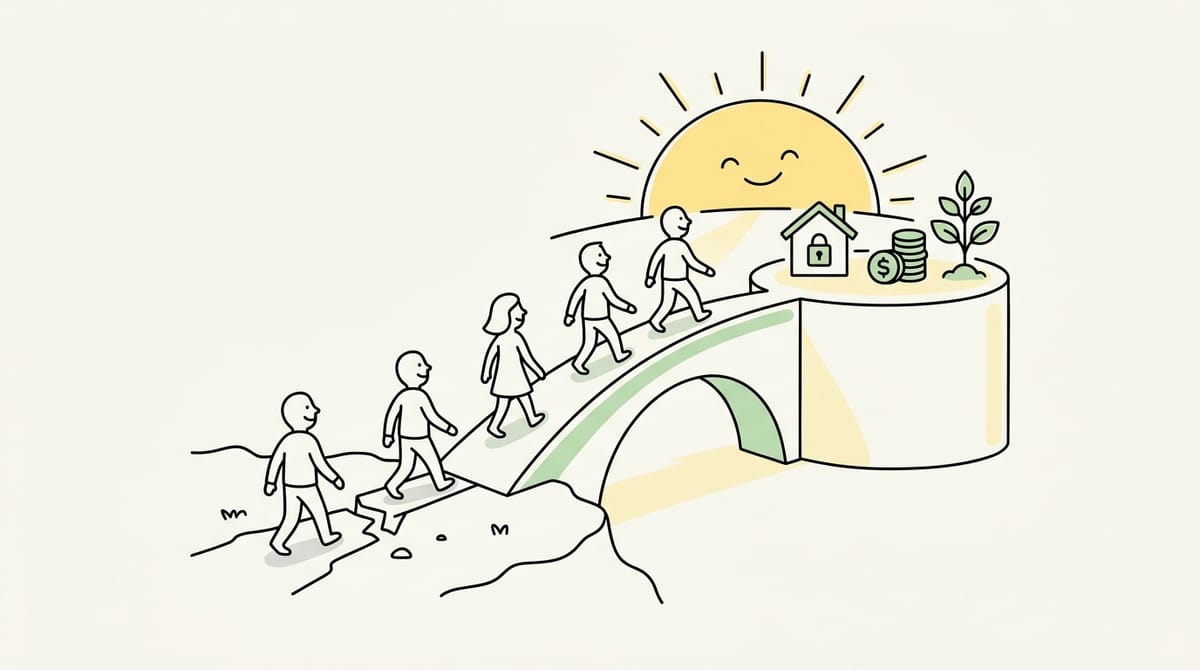
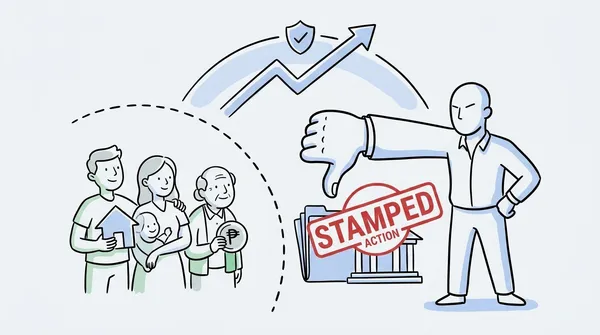
When the Department of Labor and Employment (DOLE) releases quarterly or monthly updates on national employment conditions, the numbers can often feel abstract to average working families. Headline figures celebrating dips in unemployment or surges in total employed individuals frequently obscure the everyday economic realities on the ground.
PH Labor Market Gains Ground in August as DOLE Pushes Shift to Formal, Sustainable Jobs
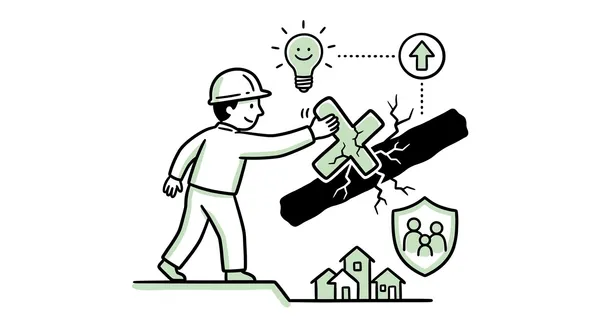
A closer look at the national labor report for August reveals a critical turning point for the Philippine workforce. While total employment figures demonstrated encouraging upward momentum, the deeper narrative centers on the quality, security, and sustainability of those jobs. For millions of Filipino families navigating changing prices for food, utilities, and daily transport, transitioning from short-term gig work to long-term formal employment remains the most reliable path out of financial vulnerability.
Understanding how national labor dynamics translate into local household budgets provides actionable guidance for workers, small enterprise owners, and job seekers aiming to build lasting economic resilience.
National Labor Trends: Decoding the August Figures
To evaluate the strength of the Philippine labor market during the August reporting period, it is essential to distinguish between sheer employment volume and quality of work. Economic growth requires not just a higher quantity of active workers, but jobs that provide fair compensation, health protection, and social safety nets.
August Philippine Labor Market Structure
During this period, DOLE highlighted several key developments across major sectors:
- Growth in Formal and Service Roles: The labor update noted gains in retail, wholesale, service activities, and seasonal agriculture, reflecting general business recovery and expanding commercial operations.
- Expansion of the Informal and Gig Economy: A substantial percentage of reported job gains stemmed from informal livelihoods, transport platform driving, delivery work, and short-term gig arrangements.
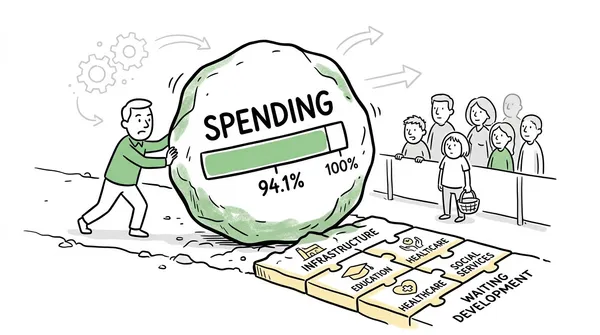
- Persistent Underemployment Challenges: While headline unemployment decreased, underemployment—the measure of workers seeking additional hours or supplementary income—remained a ongoing concern, signaling that single-income sources were insufficient for many households.
Comparing Labor Market Segments
To better understand how these sectors impact a family's financial security, consider the structural differences across employment types:
Comparative Analysis Across Philippine Work Sectors
| Work Sector | Income Stability | Benefits & Safety Nets | Primary Risk Factors |
|---|---|---|---|
| Formal / Salaried |
High
Predictable monthly or bi-weekly pay
|
SSS, PhilHealth, Pag-IBIG, Paid Leaves | Contractualization, company downscaling |
| Gig / Platform Work |
Moderate to Low
Fluctuates by demand
|
Self-funded voluntary contributions | Algorithmic changes, fuel price hikes, vehicle maintenance |
| Informal Economy |
Volatile
Daily cash flow dependent on sales
|
Rare; relies on personal savings or community aid | Weather disruptions, local authority regulation, price inflation |
What the Numbers Mean for Philippine Household Budgets
The shift in employment conditions directly shapes how households handle daily expenses. When a family member moves from informal daily labor to a formalized position, or diversifies from a single gig into structured enterprise, the entire household's resilience against financial shocks improves dramatically.
Household Scenario 1: The Transitioning Gig Worker
Consider a typical household where the primary earner works as a ride-hailing driver or motorcycle courier. During peak months, gross earnings may appear strong. However, factoring in operational expenses reveals vulnerabilities:
- Gross Weekly Earnings: ₱7,500
- Fuel and Vehicle Maintenance: -₱2,800
- Platform Commissions & Fees: -1,200
- Net Take-Home Pay: ₱3,500
Without mandatory employer-matched contributions to SSS or PhilHealth, an unexpected medical issue or vehicle repair can immediately push the family into debt. The August labor report emphasizes DOLE's push to build formalization pathways—helping workers in flexible arrangements transition toward structured benefits, professional upsksilling, and registered enterprise status.
Household Scenario 2: The Multi-Earner Family
In households combining formal wages with home-based enterprise (such as a small sari-sari store or local food preparation), national employment gains create expanded customer demand. As formal employment increases across a municipality, local consumer spending grows, directly benefiting micro-entrepreneurs and neighborhood vendors.
Strategic Action Checklist for Workers and Job Seekers
Navigating an evolving employment landscape requires proactive planning. Whether you are currently working in the gig economy, managing a micro-business, or seeking full-time formal work, taking concrete steps can strengthen your financial position.
- Verify and Formalize Social Coverage:
- Transition mandatory government contributions (SSS, PhilHealth, Pag-IBIG) to voluntary status if moving between formal jobs and self-employment.
- Maintain consistent payments to ensure continuous coverage for medical emergencies and retirement loans.
- Conduct a Personal Skills Audit:
- Identify practical skills that align with expanding sectors (e.g., digital literacy, basic bookkeeping, technical maintenance, culinary production).
- Seek out free or subsidized vocational training programs offered through national agencies like TESDA or accredited local non-government organizations.
- Diversify Household Income Streams:
- Avoid relying entirely on a single flexible gig platform where earnings depend heavily on fuel prices or algorithm adjustments.
- Explore community-based cooperative initiatives or bulk-sourcing to reduce everyday household operational costs.
- Build a Contingency Safety Net:
- Set aside a small, fixed percentage of daily or weekly earnings into a dedicated reserve fund before allocating income to non-essential spending.
- Ensure family members are aware of local government emergency assistance channels and community social support platforms.
Frequently Asked Questions (FAQ)
1. Why does headline employment improve while daily expenses still feel difficult to cover?
Headline employment measures whether individuals are actively engaged in work for pay or profit. However, it does not fully measure underemployment or whether earnings keep pace with local price inflation. When job expansion is driven largely by part-time or low-margin informal work, families may still struggle to meet monthly utility, food, and schooling expenses.
2. How is government policy working to turn short-term jobs into long-term careers?
Through initiatives highlighted in labor updates, DOLE and partner agencies focus on strengthening pathways to sustainable work. This includes expanding technical-vocational education, offering digital literacy programs, facilitating direct employment matching through Public Employment Service Offices (PESO), and encouraging informal enterprise formalization through cooperative support.
3. What steps can informal or gig workers take to gain formal social protection?
Informal and gig workers can register directly with SSS, PhilHealth, and Pag-IBIG as voluntary or self-employed members. Many digital payment platforms and local community centers now provide simplified registration portals, allowing workers to remit monthly contributions electronically or through verified partner outlets.
4. How does community-based resource pooling help low-income households handle economic fluctuations?
Community resource pooling allows neighborhood families to combine buying power for bulk purchasing of essential food and household commodities. By reducing intermediary supply layers, participating households access goods below regular retail prices, lowering overall daily living expenses without sacrificing nutritional or household needs.
Community Resilience and the Bukluran Framework
National economic statistics highlight macro trends, but building actual financial stability happens at the local community level. Sustaining long-term progress requires structural support systems that connect education, practical skills, and cooperative economic participation across multiple generations.
This holistic approach is reflected in grassroots community frameworks such as the BUKLURAN 3-Generation Model operated by BUKLURAN NG KALINGA NG MAMAMAYANG DISTRITO SINGKO INC. in Quezon City. Designed to empower underserved sectors—including single parents, persons with disabilities, senior citizens, stay-at-home parents, and local youth—the framework addresses family needs through three interconnected pillars.
BUKLURAN 3-Generation Development Model
- Supporting Children: Through initiatives like the BUKLURAN Pabaon Program, young learners receive essential school supplies, educational kits, and nutrition support. Reducing daily educational burdens ensures children stay engaged in school, establishing a strong foundation for future career opportunities.
- Empowering Parents: Adult family members participate in the BUKLURAN HUB Livelihood Ecosystem. By engaging in structured community resource pooling, cooperative purchasing, and small-scale distribution, participating households reduce monthly grocery costs and gain hands-on experience in practical enterprise operations.
- Building Community Capability: Programs such as Bagong Simula and Kasanayan Learning provide hands-on workshops in digital literacy, financial scam prevention, online tools, and practical technical skills. These sessions equip residents to adapt to modern job requirements and access higher-value earnings opportunities.
By coordinating educational support for youth, livelihood efficiency for parents, and actionable skills training for the broader neighborhood, grassroots initiatives ensure that national labor market gains translate into real resilience for local families.
Take the Next Step for Your Family's Livelihood
Building economic stability requires practical skills and collective cooperation. If you or your family are looking to expand your opportunities, reduce household costs, or learn new digital tools:
- Explore Practical Skills Training: Participate in upcoming community workshops focused on digital literacy, financial management, and technical skills through the BUKLURAN Kasanayan Learning Program.
- Connect with Local Community Support: Visit the BUKLURAN Hub located in Nagkaisang Nayon, District V, Novaliches, Quezon City, to learn how community resource pooling can help lower daily family expenses.
- Volunteer and Engage: Join local community outreach and volunteer drives to help build a stronger, self-supporting neighborhood network.
Source Attribution: This article provides contextual economic analysis based on public reports and press releases issued by the Department of Labor and Employment (DOLE) regarding Philippine labor market conditions, alongside structural community development documentation from Bukluran ng Kalinga ng Mamayang Distrito Singko Inc.
Disclaimer: This publication is prepared strictly for educational, informational, and public-interest guidance. It does not constitute formal financial, legal, medical, or professional employment advice. Readers seeking formal career placement, official labor dispute resolution, or legal guidance regarding workplace contracts should consult qualified legal counsel or visit an official Department of Labor and Employment (DOLE) regional office or Public Employment Service Office (PESO).
Power Our Mission, Shape the Future
We empower single parents, PWDs, youths, seniors, and stay-at-home parents through digital livelihood.
Help us build resilient communities.
BUKLURAN remains open to partnerships, sponsorships, and collaborative initiatives that create meaningful community impact.
Whether through funding, in-kind support, volunteerism, or shared services, your organization can help strengthen programs that serve underserved communities.
Do you want to take part in our free livelihood programs, scholarship assistance, and community resource pooling initiatives? Membership is completely free.
Join BUKLURAN!
Register, volunteer, and become a member today.