Understanding the Economic Slowdown: What AMRO’s Forecast Means for Your Everyday Life
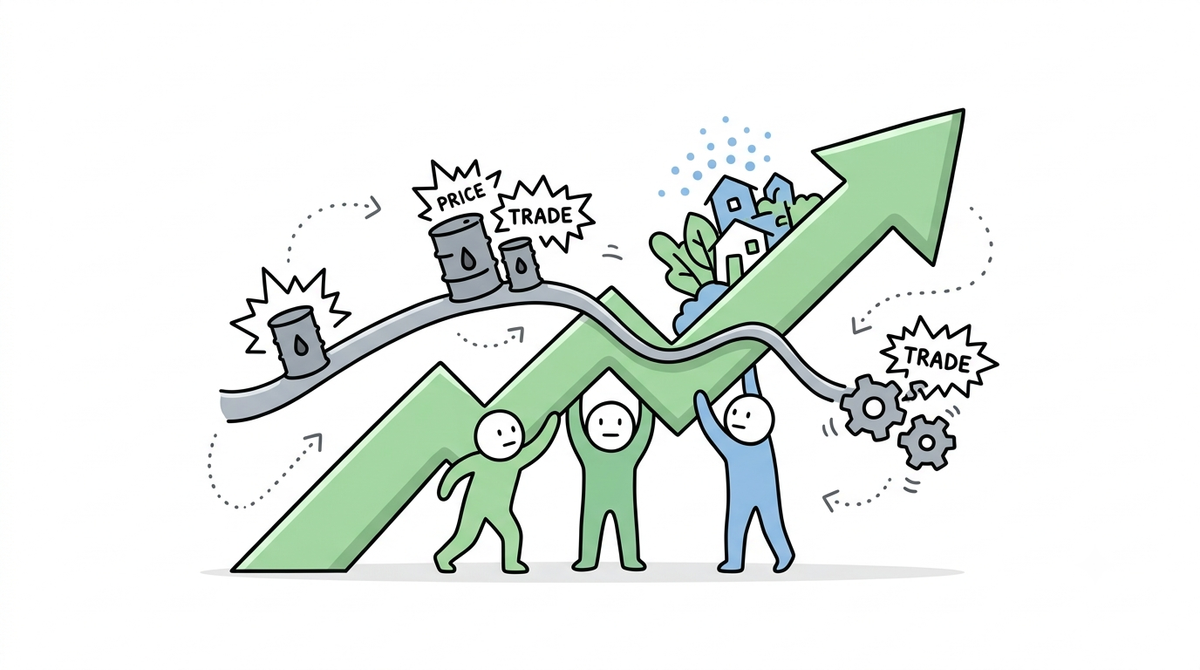
This article explains how predicted economic slowdowns and high inflation impact daily household spending, job opportunities, and community resilience, offering practical steps families can take to protect their budgets.
Introduction
Macroeconomic reports are often filled with percentages, growth targets, and technical jargon that feel distant from daily life. However, when economic analysts discuss inflation forecasts and fiscal limits, the actual effects are felt right at the local market, inside public transport vehicles, and around the family dining table.
Recent projections from the Asean+3 Macroeconomic Research Office (AMRO) point toward a cautious economic picture for the Philippines, highlighting persistent inflation and moderate growth. To navigate these changes, ordinary citizens need a clear understanding of what these forecasts mean in practice and how to protect their households.
What Happened
In its latest quarterly outlook, AMRO maintained its 2026 economic growth forecast for the Philippines at 4.1%, following a modest 4.4% expansion in 2025. Growth in the early part of the year was measured at 2.8%, affected by global energy shocks and governance challenges.
While AMRO slightly adjusted its inflation forecast down to 5.7% from 6%, consumer price growth remains significantly higher than the standard 3% target. Furthermore, researchers noted that limited government fiscal room limits the deployment of large-scale spending subsidies to offset rising prices.
Why This Matters
An inflation rate of 5.7% means that prices for everyday essentials—such as rice, vegetables, cooking oil, and electricity—are continuing to rise, even if at a slightly slower pace than before. When economic growth cools to 4.1%, businesses tend to be more cautious with expansion, wage increases, and new hiring.
Because public funds are constrained, state assistance programs cannot cover every price increase. Consequently, the burden of managing higher living costs falls directly on individual households and local community networks.
What the Headlines Don't Explain
Standard news reports focus heavily on official metrics, but miss how these numbers interact on the ground:
- Price Lag vs. Forecasts: A lower inflation forecast does not mean prices are dropping; it simply means prices are rising at a slower rate. Items that became expensive last year remain costly.
- The Fiscal Cushion Deficit: When governments have limited "fiscal room," they lack extra funds for emergency financial aid or price controls. Public support must be tightly targeted, leaving many lower-middle-class and informal workers without direct relief.
- Impact on Small Businesses: Local sari-sari stores and food stalls face a double challenge: wholesale prices remain high, while neighborhood customers buy fewer goods or ask for credit.
How This Could Affect Ordinary Filipinos
When overall economic activity slows down, the ripple effects spread across daily routines:
- Weekly Market Trips: A budget that previously covered a family's weekly groceries may now buy noticeably fewer goods, requiring families to adjust meal plans or cut non-food expenses.
- Transport and Energy Costs: Global oil price fluctuations directly affect jeepney and tricycle fares, as well as monthly electric bills, taking a larger slice of daily earnings.
- Job Stability and Informal Work: Companies may delay filling job openings or limit overtime hours. More workers may look to freelance, informal, or secondary work to make ends meet.
Impact on Vulnerable Groups
Low-Income Families & Single Parents
Fixed daily incomes become harder to stretch. Essential costs like rent, utilities, and staple foods leave little to no margin for health emergencies or school requirements.
Daily Wage Workers & Gig Drivers
Fuel cost volatility directly lowers net daily take-home pay. For drivers and delivery workers, higher pump prices mean longer hours are needed just to reach former earning levels.
Students & Youth
A slower job market means recent graduates may face longer job searches or accept roles outside their training. Building practical, adaptable skills becomes critical early on.
Senior Citizens & PWDs
Fixed pensions or monthly medical allowances lose purchasing power as medicine and special dietary supplies become more expensive.
Practical Takeaways
While macro trends are outside individual control, practical steps can help protect household financial health:
- Track and Prioritize Daily Expenses: Separate essential costs (food, utilities, health) from discretionary spending. Keep a simple daily notebook or log of small purchases.
- Avoid High-Interest Debt Traps: Resist short-term, predatory informal loans with exorbitant interest rates. Seek out local credit cooperatives or formal community savings groups when short-term cash is needed.
- Build Basic Financial Awareness: Learn practical budgeting methods through local educational channels, such as community workshops or Financial Awareness Programs.
- Strengthen Livelihood Skills: Take advantage of accessible learning opportunities—like local Digital Literacy Initiatives or vocational workshops—to build secondary sources of income.
- Utilize Community Resources: Connect with neighborhood learning spaces, such as the BUKLURAN HUB, or participate in local Bagong Simula Learning Programs to access community development support and education resources.
Looking Ahead
While national growth figures show cautious stabilization compared to neighboring regions, economic recovery will require time. Over the coming months, household stability will depend heavily on disciplined budgeting, community cooperation, and targeted social support. Local organizations and community-led initiatives play an essential role in bridging the gap by offering learning opportunities, financial literacy training, and community support systems to build local resilience.
Economic forecasts are more than numbers on a financial chart—they reflect the real challenges families navigate every day. By understanding the underlying causes of rising prices and limited public spending, households can take proactive steps to manage their budgets, support one another through local networks, and build practical skills to safeguard their financial well-being.

Power Our Mission, Shape the Future
We empower single parents, PWDs, youths, seniors, and stay-at-home parents through digital livelihood.
Help us build resilient communities.
BUKLURAN remains open to partnerships, sponsorships, and collaborative initiatives that create meaningful community impact.
Whether through funding, in-kind support, volunteerism, or shared services, your organization can help strengthen programs that serve underserved communities.
Do you want to take part in our free livelihood programs, scholarship assistance, and community resource pooling initiatives? Membership is completely free.
Join BUKLURAN!
Register, volunteer, and become a member today.