What a P1.7-Billion Japanese Deal in Aklan Wind Energy Means for Everyday Philippine Power Bills
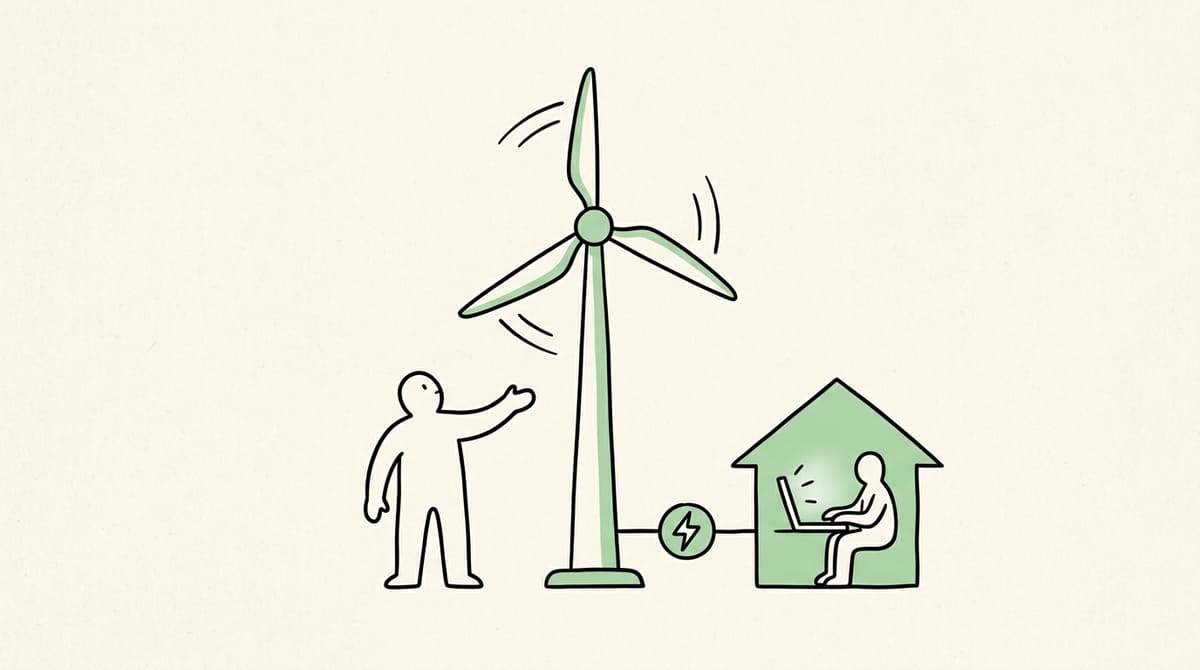
PetroEnergy Resources Corp. (PERC) has agreed to sell a 35% stake in PetroWind Energy, Inc. (PWEI)—operator of the Nabas Wind Power Project in Aklan—to Japan-based SMFL Mirai Partners Co., Ltd. for P1.7 billion. While corporate news usually stays inside business pages, this major foreign investment reflects broader changes in the Philippine energy landscape. This article breaks down what equity sales mean, why foreign capital is flowing into local renewable infrastructure, and how energy transitions influence long-term power grid stability, electricity prices, and community development.
PetroEnergy Sells 35% Stake in Nabas Wind Project to Japan’s SMFL
Operates the 36-MW Nabas-1 wind facility in Aklan, with the 14-MW Nabas-2 expansion strengthening clean grid power in Visayas.
A subsidiary of Sumitomo Mitsui Finance and Leasing Co., Ltd., expanding Japanese foreign direct investment in PH renewables.
Proceeds will fund PERC's pipeline of renewable projects, including utility-scale solar and offshore wind developments.
Foreign investment partnerships in regional wind and solar projects help accelerate grid decarbonization, stabilize long-term generation tariffs, and strengthen local power reliability across provincial communities.
A major transaction in the Philippine energy sector recently caught the attention of business analysts: PetroEnergy Resources Corp. (PERC) announced the sale of a 35% equity stake in PetroWind Energy, Inc. (PWEI) to Japanese firm SMFL Mirai Partners Co., Ltd. for P1.7 billion. PWEI is the power generator behind the Nabas Wind Power Project located in Aklan—a key facility supplying clean electricity to the Visayas power grid.
At first glance, a multi-billion-peso corporate deal between energy firms might feel distant from the daily lives of ordinary Filipinos. However, power plant ownership structures, foreign capital infusions, and grid supply agreements directly shape the long-term cost, stability, and clean energy mix of the electricity powering local homes, schools, and small businesses.
What Happened?
PetroEnergy Resources Corp., through its renewable energy arm PetroGreen Energy Corp., finalized an agreement to transfer a 35% stake in PetroWind Energy, Inc. to SMFL Mirai Partners Co., Ltd.—a subsidiary of Japan’s Sumitomo Mitsui Finance and Leasing Co., Ltd.
The transaction is valued at P1.7 billion. PetroWind Energy operates the 36-megawatt Phase 1 Nabas Wind Power Project in Nabas and Malay, Aklan, and has been expanding its capacity through Phase 2 developments.
This sale transfers partial ownership of a operating Philippine renewable energy asset to a foreign strategic partner, injecting fresh international capital into the parent company’s broader portfolio.
Why This Matters
Building renewable power capacity—whether wind, solar, or geothermal—requires massive upfront capital. A single utility-scale wind turbine costs millions of pesos to manufacture, transport, and install on complex terrain.
By selling a minority stake in an established project like Nabas Wind, the local developer liquidates part of its tied-up assets. This frees up P1.7 billion in liquidity to reinvest in new clean energy installations elsewhere in the country without taking on high-interest commercial debt.
For the Philippine energy sector, foreign direct investments (FDI) accelerate the transition away from imported fossil fuels like coal and diesel, helping build a more diversified power generation mix.
What the Headlines Don't Explain
When news breaks about billion-peso energy deals, media headlines rarely explain how these ownership changes affect end-consumers. Here are five important context points to keep in mind:
- Equity Sales Do Not Change Current Consumer Tariffs Directly: A change in company ownership does not grant a power generator the authority to immediately increase or decrease retail electricity rates. Power Supply Agreements (PSAs) and Feed-in Tariff (FIT) rates are regulated and monitored by the Energy Regulatory Commission (ERC).
- Foreign Capital Lowers Long-Term Financing Costs: International investment partners often bring access to cheaper, lower-interest global financing. When energy companies secure lower borrowing costs, the long-term price of generating power stays more stable over time.
- Grid Capacity Depends on Transmission, Not Just Generation: Injecting more wind power into a region helps supply clean energy, but actual light-switch reliability depends on transmission infrastructure. Projects like the National Grid Corporation of the Philippines’ (NGCP) Visayas-Mindanao Interconnection play a crucial role in bringing generated wind power to communities that need it.
- Intermittent Power Requires Grid Balancing: Wind energy production naturally fluctuates with weather conditions. Power systems balance this variability using base-load plants, battery energy storage systems (BESS), or hydro facilities to maintain stable voltage across local electric cooperatives.
- Asset Recycling Drives Faster Expansion: Rather than waiting decades to recoup an investment from monthly electricity sales, power companies practice "asset recycling"—selling stakes in working projects to quickly fund the construction of new renewable plants.
How This Could Affect Filipinos
While the P1.7-billion deal occurs at the corporate level, its ripple effects touch several sectors over time.
How Corporate Investment Ripple Effects Reach Communities
Translating the ₱1.7-billion renewable energy transaction into local community and economic outcomes over time.
Households & Consumers
Electric bills will not drop overnight. However, increasing indigenous renewable power in the grid shields households from international coal and oil price volatility over time.
Employment & Livelihoods
Plants generate direct local jobs in construction, operations, and security. In provinces like Aklan, increased local tax revenue helps fund health services, roads, and public infrastructure.
Micro & Small Businesses
Sari-sari stores, bakeries, and cold storage depend on stable power. Expanding grid-connected generation reduces power disruptions, preventing spoiled inventory and lost income.
Key Takeaway: High-level energy capital deals strengthen grassroots communities by reinforcing regional grid stability, boosting municipal revenue, and building long-term energy independence.
What Consumers Should Watch
To better understand how energy developments affect your monthly power bill, pay attention to these key indicators on your electricity statement:
- Generation Charge: This item typically accounts for over 50% of your total monthly electricity bill. It reflects the cost of purchasing power from various power plants.
- Fuel Pass-Through Charges: Fossil-fuel-based power plants pass fluctuations in global coal and petroleum prices directly to consumers. High renewable energy adoption helps reduce this exposure.
- Transmission & Distribution Charges: These fees cover the cost of transporting power from plants through the high-voltage grid (NGCP) and local distribution lines (such as Meralco or provincial electric cooperatives) to your home meter.
Practical Takeaways for Households
While policy makers and corporations manage energy infrastructure, ordinary households can take practical steps to navigate energy costs and support community resilience:
- Read Your Monthly Power Bill Carefully: Check whether increases in your monthly bill stem from actual kilowatt-hour (kWh) consumption spikes or rising generation charges.
- Improve Household Energy Efficiency: Simple measures—such as using LED light bulbs, unplugging unused appliances, and ensuring proper ventilation for refrigerators—significantly lower monthly kWh consumption.
- Understand Local Power Sources: Pay attention to notices from your local electric cooperative or distribution utility regarding where your area’s power comes from and planned maintenance schedules.
- Explore Solar Energy Options for Small Businesses: For small business operators, small-scale rooftop solar setups or solar-powered equipment can serve as effective hedges against peak-hour commercial electricity rates.
Looking Ahead
As the Philippines works toward its target of raising renewable energy’s share in the power mix to 35% by 2030 and 50% by 2040, foreign investment deals will become increasingly common.
The ultimate metric of success for these multi-billion-peso transactions is not just corporate profitability, but whether they lead to a more reliable power supply, lower long-term generation costs, and sustainable growth for communities nationwide.
The P1.7-billion sale of a 35% stake in the Nabas Wind Power Project highlights growing international confidence in Philippine clean energy infrastructure. While the corporate news involves large financial figures, its real-world significance lies in the gradual transformation of the national power grid.
By expanding indigenous renewable energy sources through foreign partnerships, the Philippines moves closer to building an energy system that relies less on expensive imported fuel—a transition that ultimately serves the long-term interest of every Filipino household.

Power Our Mission, Shape the Future
We empower single parents, PWDs, youths, seniors, and stay-at-home parents through digital livelihood.
Help us build resilient communities.
BUKLURAN remains open to partnerships, sponsorships, and collaborative initiatives that create meaningful community impact.
Whether through funding, in-kind support, volunteerism, or shared services, your organization can help strengthen programs that serve underserved communities.
Do you want to take part in our free livelihood programs, scholarship assistance, and community resource pooling initiatives? Membership is completely free.
Join BUKLURAN!
Register, volunteer, and become a member today.