What Happens After the Headlines Fade? The Daily Gamble of the Filipino Commuter
Beyond the headlines of a tragic road crash lies the daily anxiety of the Filipino commuter. What does it take to truly make our roads safe?
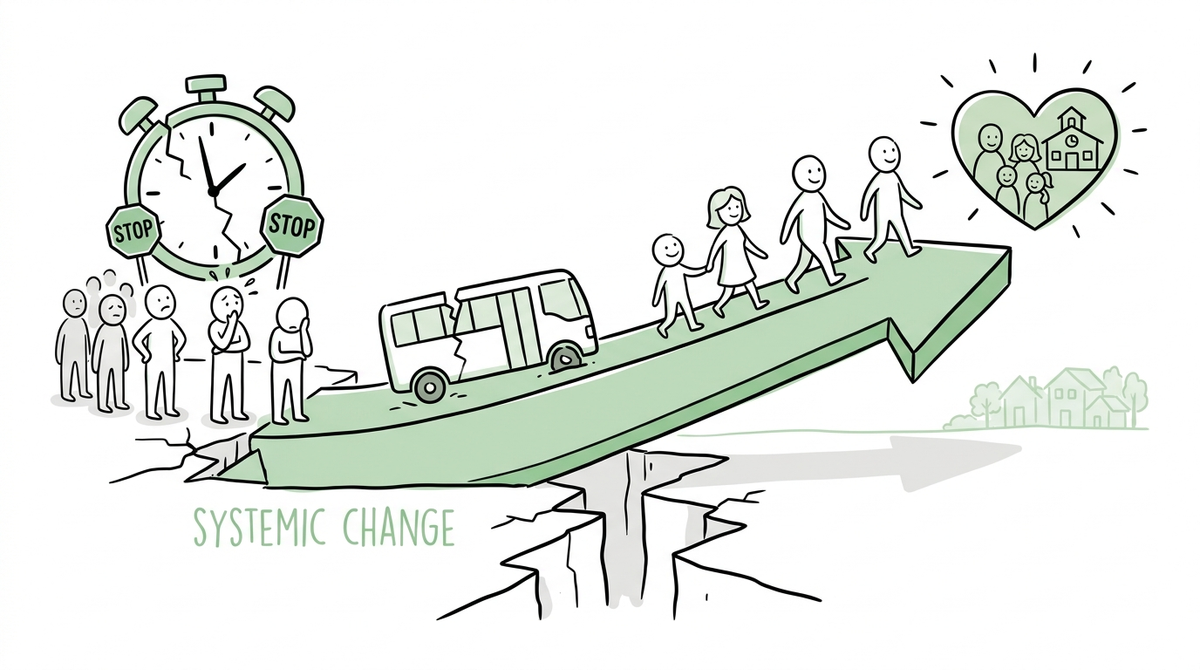
This article explores the systemic issues behind public utility vehicle accidents in the Philippines, shifting the focus from temporary suspensions to long-term passenger safety and commuter realities.
Every single morning, before the sun completely cuts through the urban haze or the mountain mists, millions of Filipinos step out of their homes with a singular, quiet prayer: Sana makarating nang ligtas. It is a prayer whispered on the curbs of busy highways, inside crowded jeepneys, and while lining up for provincial buses. For the ordinary worker rushing to a shift, the student clutching a backpack, or the parent bringing goods to a local market, public transportation is not a policy issue—it is a lifeline. We board these massive steel vehicles placing our lives entirely in the hands of strangers and the mechanical soundness of machines we cannot see. We do it because we have to. We do it because our livelihoods depend on it. But every so often, that quiet prayer is shattered by a sudden, violent reminder of how fragile that trust really is.
Recently, news broke regarding a severe road crash in Benguet, a mountainous province where winding roads demand the highest level of driver alertness and vehicle maintenance. In the immediate aftermath of the tragedy, the Land Transportation Franchising and Regulatory Board (LTFRB) moved swiftly, suspending the operations of 26 bus units belonging to the involved transport company. To the casual observer scrolling through a newsfeed, this looks like swift justice and decisive regulatory action. The headlines carry the numbers, the suspension orders, and the official statements.
But for the ordinary commuter, a deeply unsettling question lingers long after the news notifications stop popping up: What happens next?
When a regulatory agency suspends a bus line, it acts as a temporary circuit breaker. It halts the immediate risk of those specific vehicles operating on public roads. However, an intelligent look at our transport landscape reveals that a suspension is a reactive band-aid on a deeply systemic wound. For the people living in the communities serviced by those 26 buses, the immediate consequence isn’t a feeling of enhanced safety—it is a logistical crisis. Suddenly, there are fewer rides available. The queues grow longer, the waiting times stretch under the hot sun or heavy rain, and the remaining buses become even more crowded as desperate passengers squeeze in just to get home.
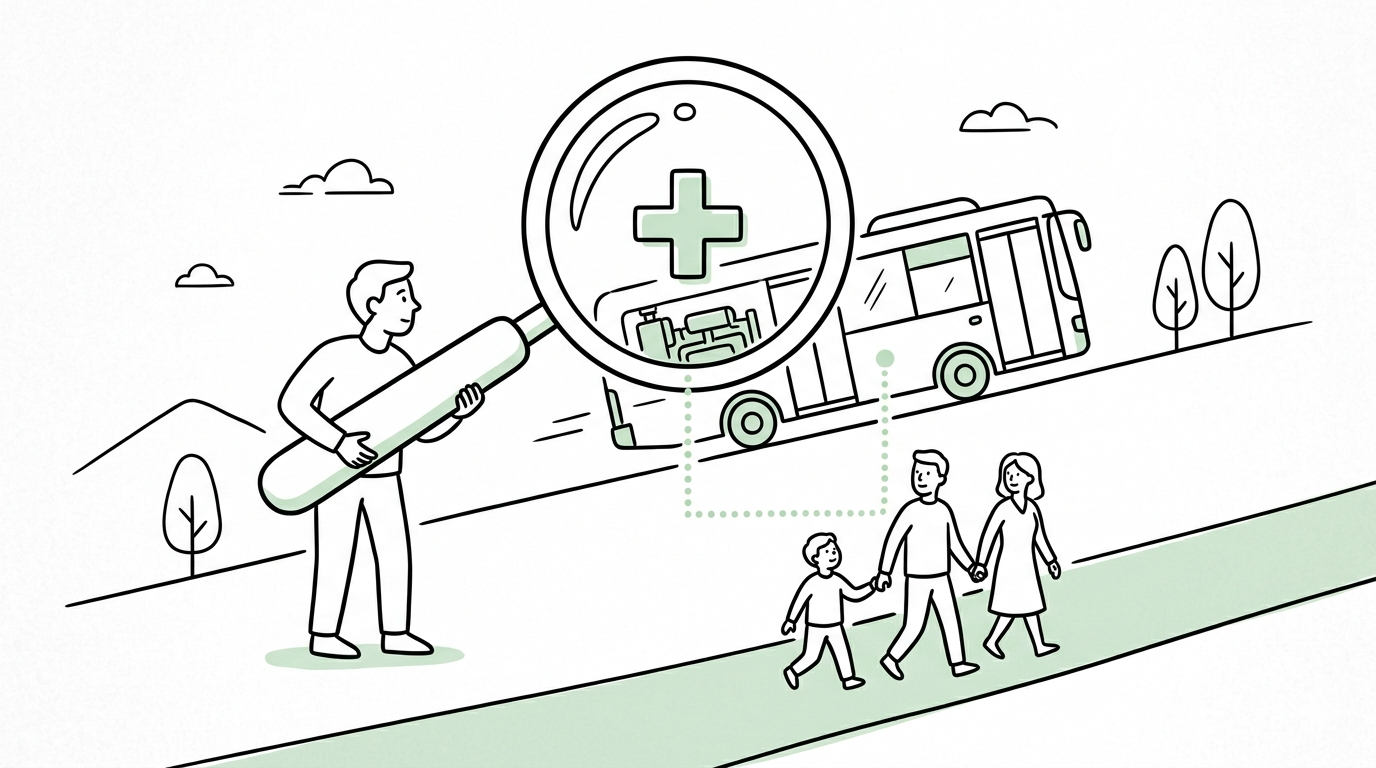
This brings us to the core contradiction of public transport safety in our country: the very mechanisms meant to protect passengers often expose them to further daily hardships, precisely because our transport network lacks resilience. When we look beyond the headline, we begin to see the invisible threads that tie maintenance, driver welfare, and corporate pressure together.
Why do buses crash? Investigations often point to mechanical failure—failing brakes, worn-out tires, or steering malfunctions. In other cases, it is attributed to human error, such as driver fatigue or reckless overtaking. But if we analyze the everyday realities of the transport sector, these are rarely isolated incidents of bad luck. They are the logical outcomes of an environment where profit margins and grueling schedules dictate behavior.
Consider the reality of a provincial bus driver. Many drivers still operate under systems where their take-home pay is directly tied to how many passengers they pick up or how quickly they can complete a round trip. When survival depends on speed and volume, safety inevitably takes a back seat. A driver who has been behind the wheel for twelve straight hours on treacherous terrain is not a reckless individual out to cause harm; they are a exhausted worker operating inside a system that penalizes rest. Similarly, when maintenance costs slice directly into a small operator's daily earnings, the temptation to delay replacing a thinning brake pad or a bald tire becomes a financial calculation.
The impact of this systemic strain is felt most acutely at the household level. When a breadwinner is injured or lost in a road crash, the economic shockwave can cripple a family for generations. The loss of a daily income, coupled with sudden medical expenses or funeral costs, pushes vulnerable families into a cycle of debt and poverty. For communities that rely heavily on single transport routes to connect them to major economic hubs, hospitals, and universities, a single accident ripples outward, creating an atmosphere of anxiety. Every time a loved one boards a bus, the family left behind waits in a state of low-grade suspense until a text message arrives saying, “Dito na ako.”
This ongoing reality reflects exactly why grassroots, community-based efforts around public safety and structural welfare matter so deeply. True safety cannot be achieved solely through punitive measures handed down from offices in Metro Manila after a tragedy has already occurred. It requires an active, community-centered approach to monitoring, demanding accountability, and understanding local risks. When local communities are empowered with digital literacy and public safety awareness, they can better report hazardous driving conditions, demand better maintenance standards from local operators, and advocate for transport policies that prioritize human life over sheer efficiency.
To move forward, our collective conversation around public transport must shift from a cycle of shock, suspension, and forgetfulness to a sustained demand for structural change. We must begin asking tougher questions. Are the drivers servicing our mountain routes receiving adequate rest and stable, fixed salaries that remove the incentive for dangerous racing? Are there strict, independent, and regular safety audits for public utility vehicles that happen before they leave the terminal, rather than after they end up in a ravine?
Safety should never be a luxury reserved for those who can afford private vehicles. It is a fundamental right of every Filipino who steps out of their home to earn a living, get an education, or care for a family. A suspension order protects us for thirty days, but a humane, well-regulated, and passenger-centered transport system protects us for a lifetime.
As the news about the Benguet crash fades from the front pages and the public eye turns to the next trending topic, let us not allow our attention to wander. The next time we see a bus rushing past us on the highway, let it remind us that inside that vehicle are stories, dreams, and families. We owe it to every commuter to ensure that our roads become pathways to opportunities, rather than journeys of chance.
Lahat tayo nababahala kapag may nababalitang trahedya sa daan, tulad ng kamakailang aksidente sa Benguet na nagresulta sa suspensyon ng 26 na bus. Pero sapat nga ba ang pagpataw ng parusa pagkatapos ng sakuna?
Paano naman ang takot na pasan ng mga ordinaryong commuter araw-araw habang bumibiyahe? Ang tunay na kaligtasan sa daan ay hindi lang makukuha sa mga utos ng suspensyon—ito ay nagsisimula sa pagbabago ng sistema.

Power Our Mission, Shape the Future
We empower single parents, PWDs, youths, seniors, and stay-at-home parents through digital livelihood.
Help us build resilient communities.
BUKLURAN remains open to partnerships, sponsorships, and collaborative initiatives that create meaningful community impact.
Whether through funding, in-kind support, volunteerism, or shared services, your organization can help strengthen programs that serve underserved communities.
Do you want to take part in our free livelihood programs, scholarship assistance, and community resource pooling initiatives? Membership is completely free.
Join BUKLURAN!
Register, volunteer, and become a member today.