What Higher National Debt Servicing Means for Ordinary Filipino Families
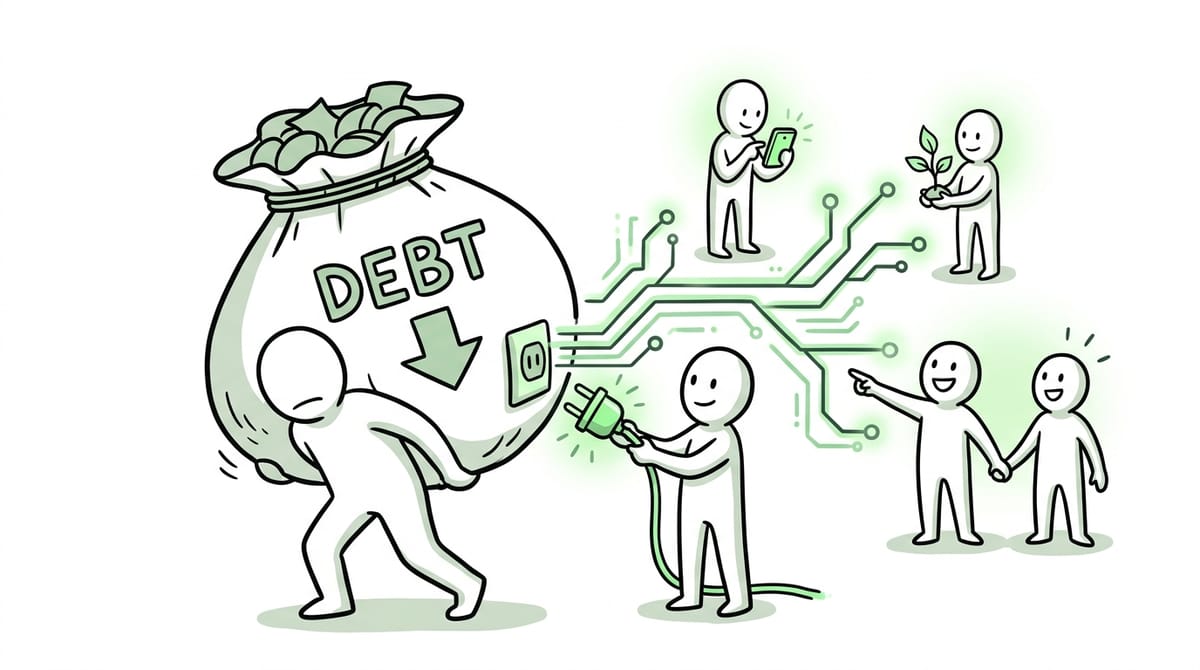
In July 2026, the Philippine government's debt servicing bill surged to P140 billion, driven primarily by interest payments. This article breaks down official Bureau of the Treasury data to explain why national debt costs are rising, how high debt servicing can indirectly affect public services like health and education, and practical ways Filipino families can strengthen their own financial resilience.
In early September 2026, data released by the Bureau of the Treasury (BTr) revealed that the Philippine government spent P139.99 billion—nearly P140 billion—on debt servicing for the month of July 2026 alone. This represents a 29.6% jump compared to the P108.06 billion paid in July 2025, and an 81.3% surge from June 2026.
For many ordinary citizens, macroeconomic figures in the billions or trillions can feel abstract and distant from daily life. However, national debt management directly influences how public funds are allocated, how government programs are funded, and ultimately, how much support is available for healthcare, education, and social protection.
Understanding how national debt servicing works helps clarify its indirect impact on household budgets and community development across the country.
Debt Servicing Hits ₱140 Billion in July 2026
Fiscal Year Target: The government has programmed ₱2.05 trillion for total debt service in 2026 (₱1.05 trillion for principal amortization and ₱995.61 billion for interest payments), with total debt projected to reach ₱19.77 trillion by yearend.
What Happened?
The Bureau of the Treasury reported that out of the P139.99 billion paid toward debt obligations in July 2026:
- Interest Payments: Accounted for P137.18 billion (97.99% of total debt servicing). This represents a 29.1% increase from P106.22 billion in July 2025.
- Principal Amortization: Accounted for P2.82 billion, which was used to pay down the actual loan principal.
- Domestic vs. Foreign Interest: P98.85 billion went toward interest on domestic borrowings (such as Treasury bonds held by domestic banks and institutional investors), while P38.33 billion went toward foreign creditors—a 64.5% surge in foreign interest costs compared to the previous year.
Accumulated over the first seven months of 2026 (January to July), total national debt servicing reached P1.37 trillion, up 56% from P876.16 billion during the same period in 2025. Meanwhile, the country's total outstanding debt reached P19.39 trillion as of end-July 2026.
Why Debt Servicing Is Rising
Economic analysts point to three primary factors driving the increase in national debt servicing costs:
- Larger Overall Debt Stock: Total borrowings have grown over time to fund infrastructure development, economic recovery, and budget deficits.
- Elevated Interest Rates: Global and local interest rates have remained higher compared to previous years, increasing the cost of issuing new government bonds or refinancing old debts.
- Foreign Exchange Movements: A weaker peso increases the peso-denominated cost of servicing foreign-currency obligations. By the end of July 2026, the local currency traded near P61 to the US dollar, making foreign interest and principal payments significantly more expensive in local currency terms.
Why This Matters to Filipino Households
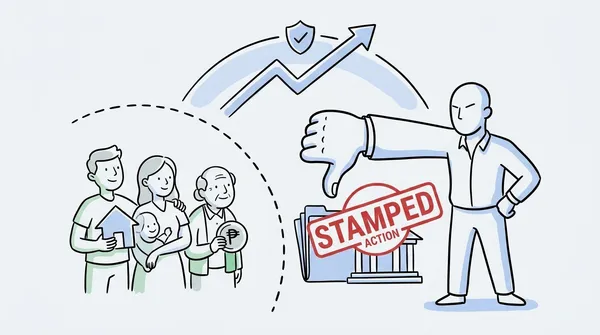
National debt servicing does not involve a direct tax or bill sent to individual citizens. However, it affects ordinary families through national budget allocations and public service funding:
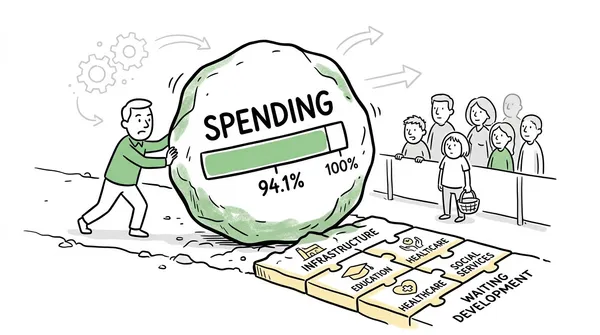
- Opportunity Cost in Public Spending: Every peso allocated to interest payments is a peso that cannot be spent on primary public services. When interest payments consume a larger share of revenues, less discretionary funding remains for public hospitals, social welfare programs, school construction, and agricultural subsidies.
- Pressure on National Deficits: In July 2026, the national budget deficit widened to P106.3 billion. When spending exceeds revenues, the government must either borrow more or improve revenue collection (such as taxes or customs duties) to cover its obligations.
- Inflationary and Market Pressures: Persistent deficits and currency weakness can contribute to broad price pressures, affecting the cost of imported goods, fuel, and daily necessities.
What the Headlines Don't Always Explain
While news reports focus heavily on the total numbers, it is useful to understand two important nuances behind debt statistics:
- Debt Servicing vs. Debt Stock: "Debt servicing" refers to the periodic payments (interest and principal) made during a specific period, whereas "debt stock" (P19.39 trillion) refers to the cumulative total owed. A high debt service bill in a single month is often tied to scheduled bond maturity dates or specific coupon payment schedules.
- Domestic vs. External Debt: Around 67.6% of the national debt is owed to domestic lenders. Domestic debt servicing pays interest to domestic financial institutions, pension funds, and investors, keeping a significant portion of interest payments within the local financial ecosystem rather than transferring funds overseas.
Practical Steps for Household Financial Resilience
While macroeconomic trends remain outside the direct control of individual households, families can take practical steps to manage their personal finances during periods of economic uncertainty:
- Track Household Cash Flow: Identify essential daily expenses (food, utilities, health) versus non-essential spending. Maintaining a clear family budget prevents over-reliance on high-interest personal credit.
- Avoid Unnecessary High-Interest Debt: Just as high interest costs strain government budgets, high credit card interest or informal loan rates can severely drain household income. Prioritize paying off high-interest debts first.
- Leverage Community and Shared Support: Participating in community-based initiatives—such as cooperative purchasing, local skills programs, or group buying networks—can help reduce monthly household costs on basic commodities like rice and groceries.
Connecting to Community Empowerment
At BUKLURAN NG KALINGA NG MAMAMAYANG DISTRITO SINGKO INC., community development is built around practical self-reliance and financial literacy. Through initiatives like the BUKLURAN HUB ecosystem and Community Learning Programs, members gain access to financial awareness sessions and cooperative purchasing activities that help households manage daily living expenses effectively. Building strong financial knowledge at the grassroots level empowers families to stay resilient regardless of broader economic shifts.
What Happens Next?
Economic observers will continue monitoring the government's cash operations, revenue collections, and exchange rate movements through the remainder of 2026. Key developments to watch include:
- Mid-year and year-end revenue collection reports from the Bureau of Internal Revenue (BIR) and Bureau of Customs (BOC).
- Policy adjustments on interest rates by central banks.
- National budget deliberations for the upcoming fiscal year to see how debt allocations balance against social service spending.

Power Our Mission, Shape the Future
We empower single parents, PWDs, youths, seniors, and stay-at-home parents through digital livelihood.
Help us build resilient communities.
BUKLURAN remains open to partnerships, sponsorships, and collaborative initiatives that create meaningful community impact.
Whether through funding, in-kind support, volunteerism, or shared services, your organization can help strengthen programs that serve underserved communities.
Do you want to take part in our free livelihood programs, scholarship assistance, and community resource pooling initiatives? Membership is completely free.
Join BUKLURAN!
Register, volunteer, and become a member today.