What Maynilad’s Renewable Energy Roadmap Means for Water Consumers
West Zone water concessionaire Maynilad Water Services, Inc. completed its Renewable Energy Transition Plan, setting a target to source 35% of its power from renewable energy by 2037. The plan involves expanding solar procurement and installing solar rooftop systems across 20 facilities. While clean energy builds long-term operational resilience and cuts carbon emissions, utility subscribers must monitor potential capital outlay impacts on future water rate adjustments.
Powering the Tap: Maynilad Targets 35% Clean Energy Shift by 2037
"By steadily increasing our use of renewable energy and investing in cleaner technologies, we are reducing our carbon footprint while strengthening the long-term resilience of our operations."
West Zone water concessionaire Maynilad Water Services, Inc. completed its Renewable Energy Transition Plan in September 2026. Under its long-term Climate Neutrality Plan, the company set a target to source 35% of its total electricity requirements from renewable energy by 2037.
As a first step, Maynilad announced an agreement with MPower, Meralco's retail electricity supply arm, to double its clean energy supply allocation from 10% to 20% starting next year. This adjustment is projected to reduce the utility company's carbon footprint by roughly 8,500 metric tons of carbon emissions annually.
For millions of households across Metro Manila and surrounding provinces relying on continuous water supply, significant operational changes by a public utility raise a fundamental question: How will this clean energy shift impact everyday water service and monthly household bills?
What the Headlines Don't Explain
Water treatment and distribution require substantial amounts of electricity. Water must be pumped across vast distances, treated through complex filtration systems, and lifted into elevated storage reservoirs. Power expenses account for one of the largest operational costs for water utilities.
While public announcements highlight environmental targets, headline coverage often skips the practical connection between utility power reliance and consumer billings:
- Energy Cost Volatility: Fossil-fuel power prices fluctuate based on global oil markets and localized generation shortages. Transitioning to renewable sources helps stabilize long-term power supply costs for the utility.
- Capital Outlays vs. Savings: Solar panels, grid integration systems, and facility retrofits require upfront investments. Consumers must pay attention to whether capital expenditures (CapEx) for green infrastructure are passed on through rate adjustments before operational energy savings materialize.
- Regulatory Oversight: Water rate adjustments are governed by the Metropolitan Waterworks and Sewerage System (MWSS) Regulatory Office. Capital projects and operational expenses undergo regulatory reviews during rate-basing periods.
How This Could Affect Everyday Households
Piping clean energy into heavy water infrastructure impacts utility reliance and community welfare across several dimensions.
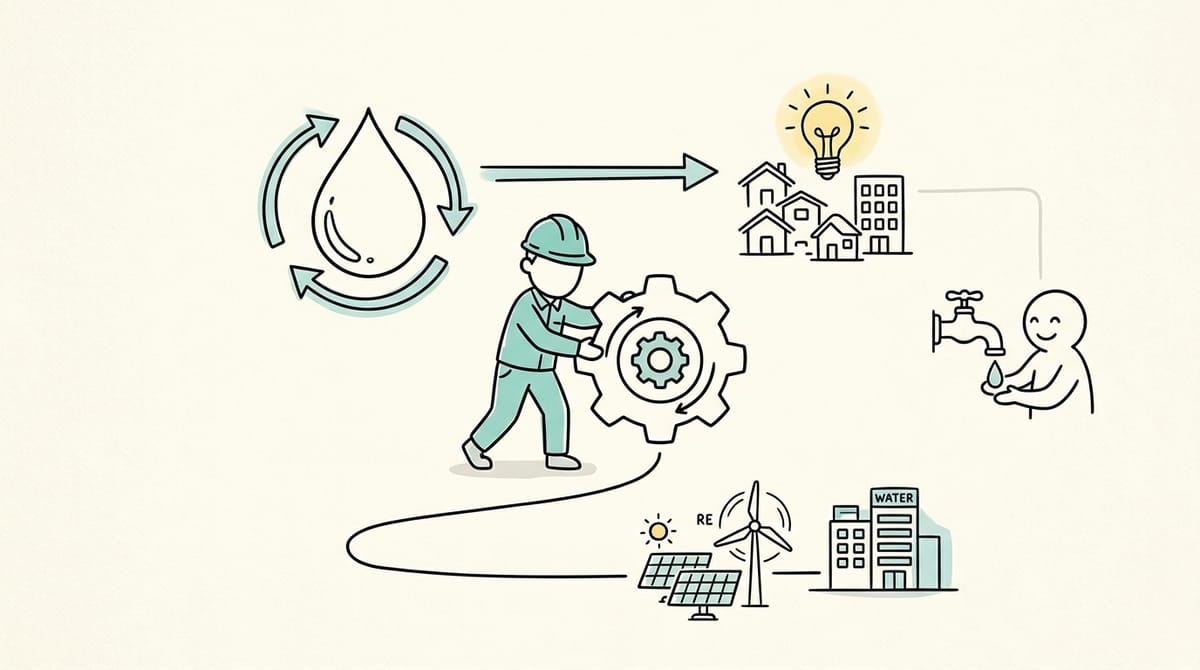
- Water Service Reliability: Water treatment facilities, pumping stations, and sewage plants depend on continuous power. Deploying solar power generation directly at 20 company facilities builds local energy backup capacity, reducing operational vulnerability during regional grid fluctuations.
- Long-Term Monthly Rates: Sourcing power from solar energy locks in lower, predictable electricity rates over time. If managed properly, reducing operational overhead helps buffer water utilities from severe rate hikes tied to global fuel shocks.
- Local Employment: Setting up new rooftop solar systems across 20 major facilities creates temporary technical, construction, and maintenance jobs within host communities.
What Consumers Should Watch
To ensure public utility transitions deliver real value to the public without unnecessary costs, consumers and community members can keep track of several key indicators:
- MWSS Rate Hike Consultations: Participate in or track public consultations conducted by the MWSS Regulatory Office to understand how major infrastructure investments affect upcoming rate adjustments.
- Service Interruptions During Upgrades: Watch for advisories regarding scheduled maintenance or facility upgrades when installation work takes place at local pumping stations or water treatment plants.
- Official Bill Itemization: Review monthly water bills carefully to distinguish basic charge adjustments from environmental or capital recovery fees.
What Happens Next
Maynilad will roll out its expanded clean energy supply agreement with MPower while commencing site assessments and engineering work for rooftop solar installations across 20 designated water treatment, pumping, and wastewater facilities.
Public utility subscribers should monitor regulatory filings and company announcements to verify that transition milestones are met transparently, cleanly, and with consumer welfare prioritized.

Power Our Mission, Shape the Future
We empower single parents, PWDs, youths, seniors, and stay-at-home parents through digital livelihood.
Help us build resilient communities.
BUKLURAN remains open to partnerships, sponsorships, and collaborative initiatives that create meaningful community impact.
Whether through funding, in-kind support, volunteerism, or shared services, your organization can help strengthen programs that serve underserved communities.
Do you want to take part in our free livelihood programs, scholarship assistance, and community resource pooling initiatives? Membership is completely free.
Join BUKLURAN!
Register, volunteer, and become a member today.