What Rising Online Scams Mean for Filipino Households: Understanding the Latest SWS Cybercrime Data
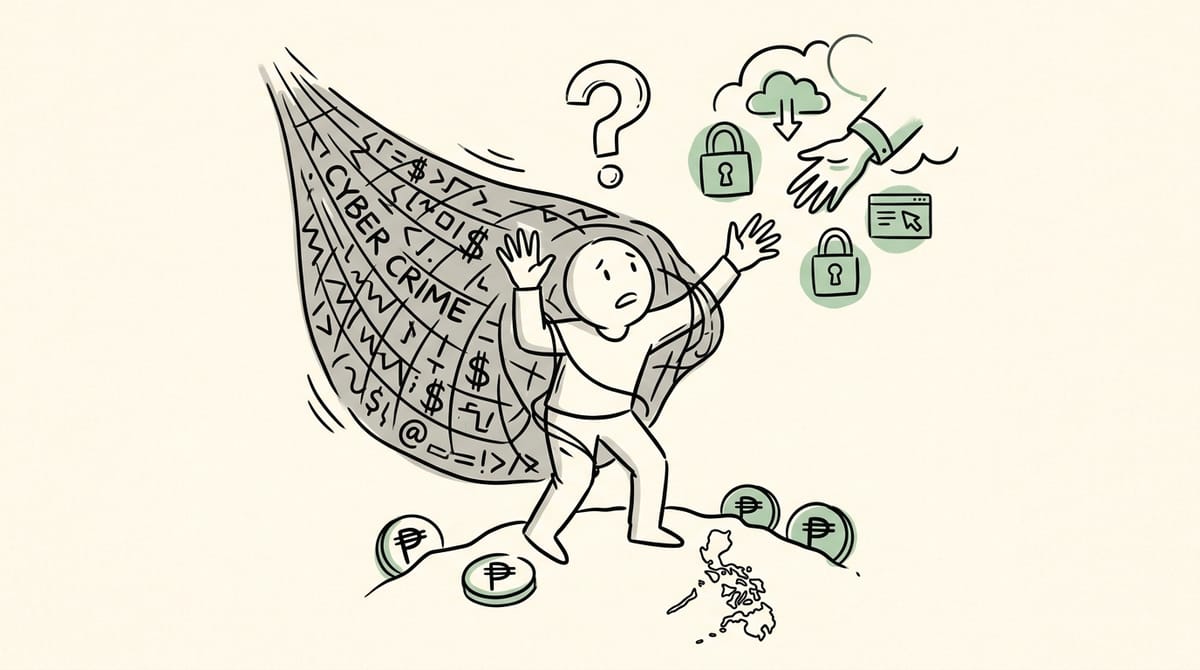
The Social Weather Stations (SWS) survey conducted in June 2026 revealed that 8% of Filipino families fell victim to cybercrimes—including online scams, account hacking, and cyberbullying—marking the highest level since SWS began tracking digital crimes in 2023. While traditional street crimes slightly decreased, online fraud continues to rise across Metro Manila, the Visayas, and Mindanao. This article breaks down the data, explains why digital fraud is escalating, highlights the risks to everyday households, and offers practical steps to protect hard-earned money and personal information.
1 in 12 Filipino Families Fall Victim to Cybercrime as Online Scams Hit Record 8% High
- Metro Manila 13.4% (from 10.1%)
- Visayas 10.4% (from 4.1%)
- Mindanao 8.8% (from 5.3%)
- Balance Luzon 5.1% (from 5.5%)
- Online Scams Primary Category
- Account Hacking High Incidence
- Cyberbullying Monitored Issue
- Survey Period June 20–29, 2026
While traditional street crimes saw a slight decline in mid-2026, crime in the Philippines is increasingly shifting from the streets to digital screens.
According to the Social Weather Stations (SWS) Second Quarter 2026 survey—conducted from June 20 to 29, 2026—8% of Filipino families reported that at least one member fell victim to cybercrimes in the past six months. This represents a noticeable rise from 5.8% in March 2026 and marks the highest rate recorded since SWS first added digital crime tracking to its quarterly survey in June 2023.
The findings highlight a growing reality: as everyday transactions move online, financial security is increasingly tied to digital literacy and online safety.
What Happened?
The SWS survey asked 1,200 adult respondents nationwide whether they or anyone in their immediate family experienced online scams, account hacking, cyberbullying, or related offenses over the previous six months.
- National Spike: The proportion of affected households rose to 8.0% nationwide.
- Regional Breakdown: Cybercrime experiences surged significantly in Metro Manila (rising from 10.1% in March to 13.4% in June), the Visayas (climbing from 4.1% to 10.4%), and Mindanao (increasing from 5.3% to 8.8%). Only Balance Luzon recorded a slight drop, from 5.5% to 5.1%.
- Shift in Crime Trends: In contrast, families affected by common physical crimes—such as street robbery, break-ins, and physical violence—dropped from 12.3% in March to 10.0% in June 2026.
The Philippine National Police (PNP) acknowledged the findings, noting that while physical crime reduction is encouraging, the PNP Anti-Cybercrime Group is intensifying preventive and enforcement efforts against digital fraud.
Why It Matters
For millions of ordinary Filipinos, digital platforms are no longer optional. E-wallets, mobile banking, online marketplaces, and social media messaging are vital tools for receiving remittances, paying utility bills, running small neighborhood enterprises, and staying connected with overseas family members.
When online fraud increases, it directly threatens financial inclusion and household stability:
- Financial Vulnerability: A single phishing scam or compromised e-wallet account can wipe out a family’s weekly grocery budget, emergency savings, or tuition money in seconds.
- Impact on Small Earners: Freelancers, informal workers, and micro-entrepreneurs who rely on social platforms for customer payments face severe disruption if their accounts are hacked or impersonated.
- Targeting Low Digital Literacy: Scam operations frequently target individuals who are newer to digital platforms, exploiting a lack of technical familiarity with high-pressure tactics.
What the Headlines Don't Explain
News reports frequently highlight statistics, but the mechanics behind why cybercrime continues to climb despite existing laws—such as SIM registration requirements—deserve closer attention.
- Evolution of Tactics: Bad actors continuously adapt. Rather than relying solely on random text blasts, scammers increasingly use social engineering, false job offers, fake task-based earning schemes, impersonation of bank representatives, and illegitimate customer service pages on social media.
- Underreporting in Official Figures: The SWS survey captures self-reported victimization, which is historically higher than formal police reports. Many victims do not report losses to law enforcement due to confusion over filing procedures, shame, or the belief that small amounts cannot be recovered.
- The Digital Onboarding Gap: Millions of Filipinos adopted digital payments rapidly in recent years out of necessity, but systemic, community-level digital safety instruction has not kept pace with platform adoption.
How This Could Affect Filipinos
The risk of digital victimization affects different groups across the country in distinct ways:
- Low-Income Households and Daily Wage Earners: Losing money to a fake online seller or fraudulent loan scheme creates immediate hardship, often forcing families to borrow at high interest rates to cover basic needs.
- Stay-at-Home Parents and Solo Parents: Many manage household budgets digitally or seek legitimate online work-from-home gigs, making them primary targets for fraudulent "online job" advertisements requiring upfront deposits.
- Senior Citizens and First-Time Smartphone Users: Elderly family members may struggle to distinguish official bank communications from sophisticated phishing links, making them vulnerable to account takeover.
- Provincial Communities: As digital payment adoption expands rapidly outside Metro Manila, rural and provincial users are increasingly targeted by fraudulent account recovery and prize notification schemes.
What People Should Know
Understanding common digital threat patterns is the most effective defense against online victimization.
- No Official Entity Asks for OTPs: Banks, legitimate e-wallet providers, and government agencies will never call, message, or email asking for One-Time Passwords (OTPs), account PINs, or password resets.
- Unsolicited Job Offers Requiring Money Are Scams: Legitimate employers do not require job applicants to pay "processing fees," purchase task packages, or send money to unlock earnings.
- Unusual Urgency Is a Red Flag: Scammers create artificial panic—claiming an account will be permanently blocked within hours unless a link is clicked—to prevent victims from verifying the request independently.
Practical Takeaways
Filipino households can protect their accounts and finances by adopting simple habits:
- Never Click Unverified Links: Avoid clicking direct links sent via SMS, email, or social media messages claiming your account is locked or that you have won a prize. Open the official app or website directly instead.
- Enable Two-Factor Authentication (2FA): Set up 2FA or biometric logins (fingerprint/face recognition) across all social media, email, and financial accounts.
- Verify Online Sellers: Before transferring money via e-wallet for goods, check buyer reviews, confirm the account age, and avoid paying upfront to personal accounts without clear identity verification.
- Keep Separate Accounts: Where feasible, maintain a separate primary bank account for long-term savings that is not directly linked to everyday shopping apps or casual online browsing.
- Report Incidents Immediately: If compromised, contact your bank or e-wallet provider immediately through their official hotline to freeze the account, and report the incident to the PNP Anti-Cybercrime Group (ACG) or the Inter-Agency Response Center (I-ARC) hotline 1326.
What Happens Next
As digital adoption expands, government agencies and financial institutions are expected to face increasing public pressure to improve recovery mechanisms, strengthen system security, and streamline reporting for victims of cybercrime. Regulatory discussions regarding platform accountability and enhanced fraud detection are ongoing.
Building digital safety, however, requires continuous learning at the grassroots level. Community-based learning initiatives—such as digital literacy and financial awareness orientations integrated into local programs like the BUKLURAN Bagong Simula Program—play a supporting role in helping families build practical knowledge, recognize online risks, and navigate digital tools safely.

Power Our Mission, Shape the Future
We empower single parents, PWDs, youths, seniors, and stay-at-home parents through digital livelihood.
Help us build resilient communities.
BUKLURAN remains open to partnerships, sponsorships, and collaborative initiatives that create meaningful community impact.
Whether through funding, in-kind support, volunteerism, or shared services, your organization can help strengthen programs that serve underserved communities.
Do you want to take part in our free livelihood programs, scholarship assistance, and community resource pooling initiatives? Membership is completely free.
Join BUKLURAN!
Register, volunteer, and become a member today.