What the Push for Critical Minerals Means for Everyday Filipino Communities
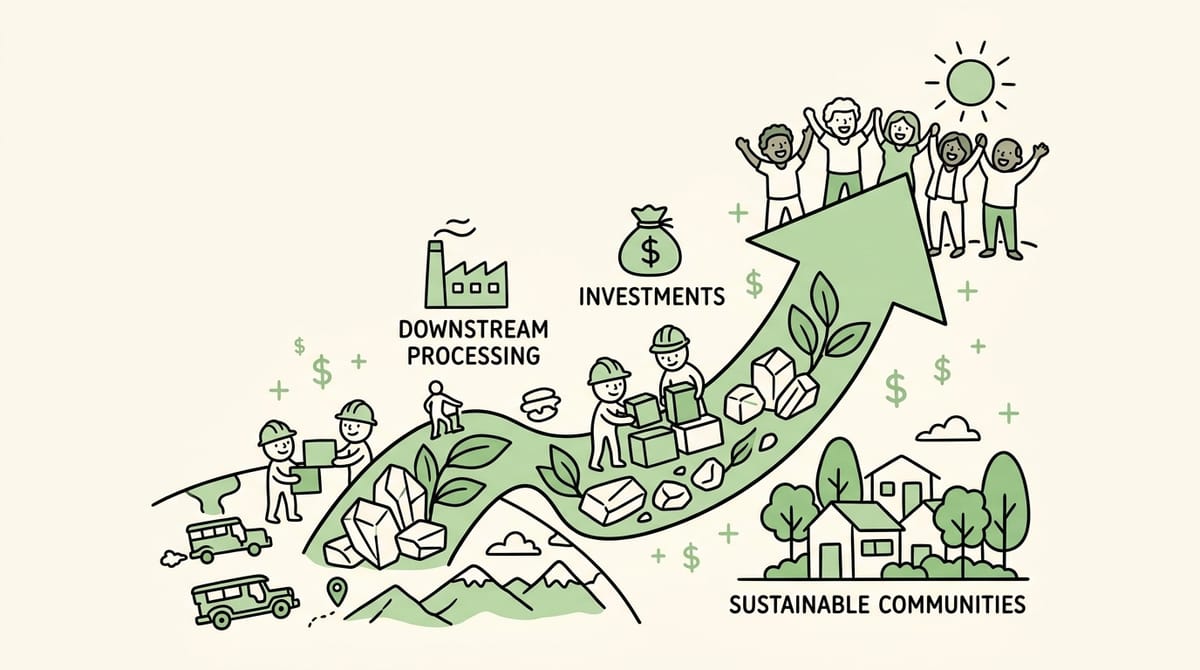
The Philippine government is fast-tracking investments and permits in the critical minerals sector, shifting focus toward local mineral processing. While this push aims to attract foreign investment and create industrial jobs, it also introduces environmental, land, and livelihood trade-offs that local communities must navigate.
The Philippine government has issued an executive directive aimed at accelerating the development of the national critical minerals industry. By streamlining approval permits, incentivizing local processing plants, and opening government-owned mining assets for privatization, officials hope to position the country as a major player in the global supply chain for clean energy technologies.
For decades, the Philippines has primarily exported raw, unprocessed ores to foreign markets. The new policy aims to shift the country up the value chain—encouraging companies to process minerals like nickel, copper, and cobalt domestically before exporting them.
PH Critical Minerals Industry Seen Entering Sweet Spot
"That means they find the mining industry important. They find that we can add value to the country... We're very happy that President Marcos still considers the mining industry as a true indicator of development."
Why Critical Minerals Matter to the Global Economy
Critical minerals are raw elements required to manufacture high-technology products, renewable energy systems, and modern electronics.
- Nickel and Cobalt: Essential components in the lithium-ion batteries that power electric vehicles (EVs) and energy storage systems.
- Copper: The primary conductor used in electrical grids, renewable energy infrastructure (wind turbines and solar arrays), and everyday household electronics.
- Rare Earth Elements: Used in high-performance magnets, smartphones, and defense technologies.
As nations worldwide transition away from fossil fuels, global demand for these minerals is rising rapidly. Because the Philippines holds significant unexploited deposits of nickel and copper, national policymakers view the current global demand as a strategic economic opportunity.
What the Headlines Don't Fully Explain
While industry reports highlight increased investment and faster business approvals, several practical considerations shape how these policy shifts affect daily life:
1. Direct Mining vs. Value-Added Processing
Extracting raw ore creates relatively few long-term jobs and leaves local regions vulnerable to commodity price swings. Establishing processing facilities within the country requires heavy capital and energy infrastructure, but it retains more economic value locally through technical employment and higher tax revenues.
2. The Energy Requirement Dilemma
Processing critical minerals requires continuous, high-capacity electricity. If local plants rely heavily on fossil fuels to run processing operations, the environmental benefit of producing "green energy" components becomes partially offset by localized carbon emissions and higher energy demands on regional grids.
3. Community and Land Rights Considerations
Critical mineral deposits are frequently located within rural provinces, watershed areas, or ancestral domains. Fast-tracking permits reduces administrative delay for companies, but it increases the responsibility of regulatory agencies to maintain strict oversight regarding environmental compliance and local community consent.
How This Policy Expansion Affects Ordinary Filipinos
The economic effects of a expanding mining and processing sector will not be felt uniformly across the population.
For Provincial Workers and Skilled Technicians
An emphasis on domestic processing facilities could create specialized industrial jobs outside major urban centers. Electricians, heavy equipment operators, metallurgists, and environmental technicians may find long-term employment in provincial hubs, reducing the need to migrate to Metro Manila or look for work overseas.
For Rural and Coastal Communities
Households living near extraction or processing sites face direct exposure to environmental changes. Key factors for residents to monitor include local water quality, agricultural runoff, coastal siltation affecting local fisheries, and heavy vehicle traffic on provincial roads.
For Local Consumers and Taxpayers
Increased state revenues from mineral privatization and corporate taxes can fund public infrastructure and local government services. However, if processing plants strain local power supplies, nearby communities could face fluctuating energy costs or grid reliability issues.
Important Factors to Watch
Understanding the potential outcomes of mineral development requires looking beyond investment totals:
- Environmental Compliance Records: How consistently state agencies enforce mine rehabilitation plans and wastewater management protocols.
- Value-Sharing Agreements: Whether local government units (LGUs) receive their mandatory statutory share of wealth revenues in a timely manner to fund community health and education programs.
- Consultation Procedures: Ensuring Indigenous Cultural Communities and local residents retain clear, transparent access to public hearings before project construction begins.
Practical Steps for Local Residents and Leaders
- Attend Public Hearings: Residents in host municipalities should participate in Environmental Impact Assessment (EIA) consultations conducted by the Department of Environment and Natural Resources (DENR).
- Review LGU Development Plans: Communities can verify if local leadership has dedicated future mining revenue shares toward long-term public assets, such as health centers, water systems, and local schools.
- Monitor Environmental Indicators: Local cooperatives and civic groups can track changes in nearby river clarity, drinking water supply quality, and agricultural yield to report anomalies early.
Looking Ahead
The push to capture a larger share of the global critical minerals market presents a balancing act for the nation. Transitioning from exporting raw dirt to manufacturing high-value mineral products could strengthen industrial capability and regional employment. Achieving those economic benefits sustainably depends on maintaining strict environmental safeguards and ensuring host communities directly share in the wealth generated from their local resources.

Power Our Mission, Shape the Future
We empower single parents, PWDs, youths, seniors, and stay-at-home parents through digital livelihood.
Help us build resilient communities.
BUKLURAN remains open to partnerships, sponsorships, and collaborative initiatives that create meaningful community impact.
Whether through funding, in-kind support, volunteerism, or shared services, your organization can help strengthen programs that serve underserved communities.
Do you want to take part in our free livelihood programs, scholarship assistance, and community resource pooling initiatives? Membership is completely free.
Join BUKLURAN!
Register, volunteer, and become a member today.