When the World Looks at Migration: The Unseen Lives Behind the Headlines in Spain
When global leaders and religious figures travel, the headlines focus on the ceremonies. But for overseas workers, the impact hits closer to home.
The apostolic visit of Pope Leo XIV to Spain brings global attention to the systemic challenges and deep human dignity of Filipino migrants navigating legal uncertainties and labor realities far from home.
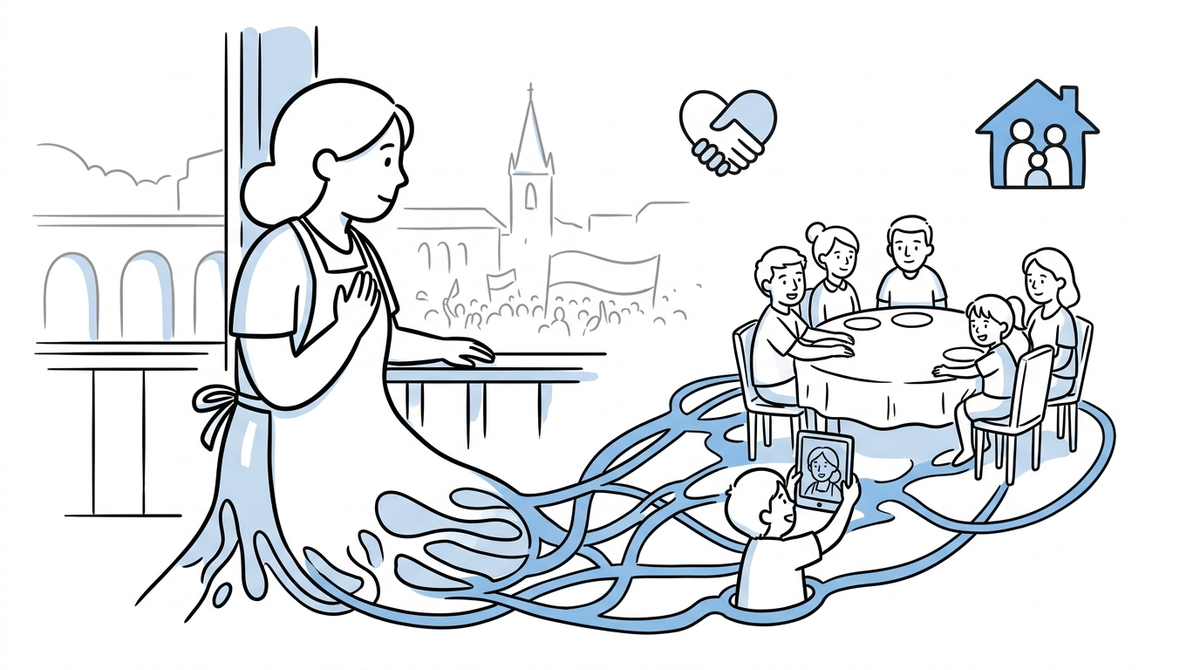
In many Filipino living rooms, the sound of a video call is the closest thing to a family dinner. Miles away, in apartments across Madrid, Barcelona, or the sun-drenched coastlines of the Canary Islands, a mother squeezes in a few minutes to talk to her children before starting her next shift. A father counts his remaining euros after sending the monthly remittance home, calculating if he has enough left for transit. For these families, international news is never just abstract data; it is the backdrop of their everyday survival.
When major global figures travel, the public often tunes in for the grand speeches and diplomatic handshakes. But for millions of overseas Filipinos, these events carry a deeper, quieter weight. The upcoming apostolic visit of Pope Leo XIV to Spain is one such moment. While the global press prepares to cover the formal ceremonies across major Spanish cities and the migrant gateways of Tenerife and Gran Canaria, ordinary Filipino workers are looking at the visit through the lens of their own realities—realities shaped by hard labor, legal uncertainties, and the constant longing for home.
Moving Beyond the Ceremonial Headline
At first glance, a papal visit appears to be an event reserved for churchgoers and historians. Yet, the itinerary itself tells a more profound story about the global migration landscape. By scheduling visits to regions like the Canary Islands—a primary entry point for thousands of individuals seeking a better life—the focus shifts from institutional tradition to human crisis.
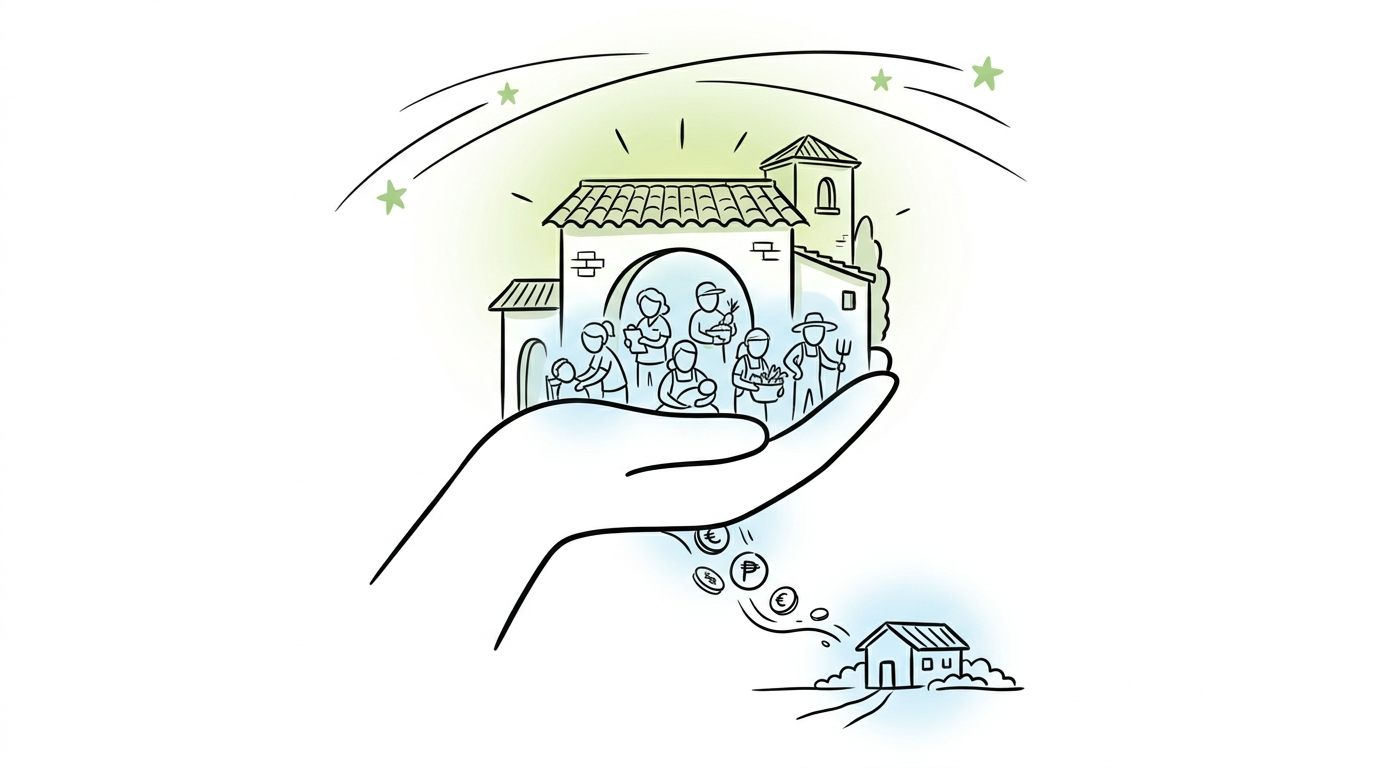
For the average observer, migration statistics are just numbers on a screen. But for the estimated hundreds of thousands of undocumented workers currently navigating Spain’s economy, the discourse surrounding migration directly dictates whether they can walk down the street without fear. Spain’s workforce currently includes a massive segment of undocumented individuals who contribute daily to industries ranging from domestic work and caregiving to hospitality and agriculture.
The conversation surrounding the visit coincides with critical domestic policy debates in Spain, particularly regarding potential migrant regularization programs. For an undocumented Filipino worker, regularization is not an academic concept; it means the ability to sign a legal employment contract, access public healthcare without hesitation, and, perhaps most importantly, fly back to the Philippines to hug their children without the fear of being denied re-entry.
The Everyday Weight of Visibility
To understand why this matters to ordinary families in the Philippines, one must look at the psychological and social toll of working in a foreign land. Overseas employment is often framed solely as an economic transaction: labor is exported, and remittances are sent back. What this equation leaves out is the profound sense of invisibility that many migrants experience.
When you work in a country where you do not fully speak the language, where your legal status may be precarious, or where your labor is vital but socially undervalued, it is easy to feel unseen. Many Filipinos in Spain have dedicated years—sometimes decades—to supporting Spanish households and businesses. They have given their youth, their physical strength, and their emotional endurance to a country that is not their own, all to ensure that a sibling can graduate college or a parent can afford medical care back home.
When global attention is intentionally directed toward the places where migrants live and struggle, it challenges this invisibility. It reframes the migrant worker not merely as an economic statistic or a political talking point, but as a human being possessing inherent dignity. It sends a message to the wider world that the people cleaning homes, caring for the elderly, and keeping local industries running deserve to be recognized and respected.
The Mirror to Our Communities At Home
The realities faced by Filipinos in Spain reflect a broader, systemic narrative that hits close to home. The decision to leave the Philippines is rarely born out of a simple desire for adventure; it is almost always an act of economic necessity. Communities across our provinces are intimately familiar with the empty chairs at the dining table, the grandmothers raising grandchildren, and the neighborhoods sustained primarily by remittance economies.
This global reality mirrors the very challenges encountered by community-based programs working with families on the ground in the Philippines. It underscores why local initiatives focusing on family solidarity, local livelihood creation, and social welfare are so vital. When our communities lack stable economic foundations at home, the pressure to migrate increases, scattering families across continents. The challenges our overseas workers face in finding stability and recognition abroad highlight the critical importance of strengthening safety nets, community support systems, and local opportunities right here, ensuring that migration becomes a genuine choice rather than a desperate survival strategy.
Shifting the Gaze Forward
As the international community watches the events unfold across Spain, the ultimate value of the discussion lies in how it changes perceptions long after the crowds disperse. For the families waiting for the next remittance slip and the workers enduring long shifts in European cities, the hope is for a shift in how society views human labor and movement.
The true measure of any society—or any global development—is how it treats those who are most vulnerable within its borders. Recognizing the dignity of migrants means moving past political rhetoric and acknowledging the human lives that build our economies. It invites us all to look at our overseas kababayans not just as heroes who send money home, but as individuals whose rights, well-being, and humanity must be protected, wherever they may be in the world.
Bakit nga ba labis ang abang ng ating mga kababayan sa bawat kilos at salita ng mga lider sa bansang Espanya? Sa likod ng mga balita tungkol sa mga opisyal na pagbisita at mga bagong batas, may kuwento ng mga Pilipinong nagtatrabaho sa malalayong lungsod—naghahanap ng seguridad, pagkilala, at kapanatagan ng loob para sa kanilang pamilya.

Power Our Mission, Shape the Future
We empower single parents, PWDs, youths, seniors, and stay-at-home parents through digital livelihood.
Help us build resilient communities.
BUKLURAN remains open to partnerships, sponsorships, and collaborative initiatives that create meaningful community impact.
Whether through funding, in-kind support, volunteerism, or shared services, your organization can help strengthen programs that serve underserved communities.
Do you want to take part in our free livelihood programs, scholarship assistance, and community resource pooling initiatives? Membership is completely free.
Join BUKLURAN!
Register, volunteer, and become a member today.